Discover Budapest
08/06/2024
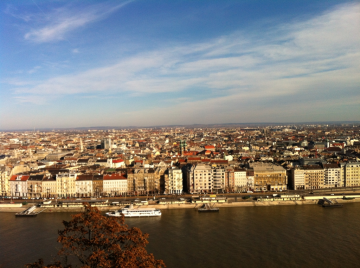
Planning a trip to Budapest, but feeling overwhelmed by the sheer number of things to see and do? This city, bisected by the mighty Danube, presents a fascinating blend of historical grandeur and vibrant modernity. Deciding where to start, how to get around, and which experiences genuinely deliver value can be tricky. You want to soak up the culture, relax in the famous thermal baths, explore historic sites, and maybe even enjoy some nightlife without feeling rushed or, worse, falling into tourist traps.
Budapest offers immense depth for travelers willing to look beyond the surface. From its intricate public transport system to its unique culinary scene and unparalleled wellness traditions, the city promises a rich experience. Let’s explore how to navigate Budapest efficiently, ensuring your visit is both memorable and authentic.
Getting Around Budapest: Options and Efficiency
Budapest boasts an extensive and reliable public transportation network, operated by BKK. This system includes metros, trams, buses, and even river ferries. Understanding your options upfront can save time and money, especially when covering significant distances between Buda and Pest.
For most visitors, a combination of walking and public transport is ideal. The city center is very walkable, particularly Pest, where many attractions are concentrated. However, reaching Buda Castle Hill or some of the thermal baths often requires a ride. Knowing the differences in ticket types and travel cards is crucial for smooth journeys.
| Transport Type | Coverage & Convenience | Typical Cost (HUF) | Best Use Case |
|---|---|---|---|
| Metro (M1, M2, M3, M4) | Fastest for long distances, connects major hubs. Four lines, easy to navigate. | Single ticket: 450 HUF. Block of 10 tickets: 4,000 HUF. | Quick travel between districts, avoiding traffic. |
| Trams (e.g., Tram 2, 4/6) | Excellent for scenic routes (Tram 2 along Danube). Frequent, extensive network. | Single ticket: 450 HUF. | Sightseeing, short-to-medium distances, connecting points not on metro. |
| Buses & Trolleybuses | Extensive, reaches areas metros/trams don’t. Good for exploring residential areas. | Single ticket: 450 HUF. | Specific destinations, late-night travel (night buses). |
| River Ferries (BKK) | Scenic way to travel along the Danube. Operates seasonally, less frequent than other transport. | Included with most travelcards on weekdays. Weekend single ticket: 450 HUF. | Leisurely sightseeing, pleasant alternative to bus/tram for river-adjacent areas. |
The Budapest Card: Is it Worth It?
The Budapest Card offers unlimited public transport, free entry to some museums, and discounts on various attractions, baths, and tours. It comes in 24, 48, 72, 96, or 120-hour versions, with the 72-hour card typically costing around 28,000 HUF (approx. €72). For travelers planning to visit many museums and use public transport extensively, it can be a good deal. However, if your itinerary focuses more on walking, free attractions, and specific paid sites not covered, individual tickets or a simple travel pass might be more economical. A 72-hour travel pass (without attractions) costs around 5,500 HUF (approx. €14). Assess your planned activities carefully before committing.
Navigating the Metro and Tram System
Budapest’s metro is one of the oldest in the world, with the M1 (Yellow Line) being particularly historic. Tickets must be purchased before boarding and validated at the entrance to metro stations or onboard trams/buses. Failing to validate can result in a significant fine (up to 8,000 HUF on the spot, or 16,000 HUF if paid later), and plainclothes inspectors are common. A 24-hour travelcard costs approximately 2,500 HUF, offering unlimited rides across all BKK services within its validity. This is often the simplest option for tourists.
River Ferries: Scenic and Practical
Beyond being a pleasant way to see the city from the water, the BKK public river ferries (D11, D12, D14 lines) are a practical transport option. They connect various points along the Danube, including Margaret Island. On weekdays, these ferries are typically included with standard BKK travelcards. On weekends, a single ticket (450 HUF) is usually required. Check the BKK website for current schedules, as services can be seasonal or adjusted due to river conditions.
Thermal Baths of Budapest: A Deep Dive into Wellness Traditions
Budapest earned its title as the “City of Baths” for good reason. It sits atop a network of natural thermal springs, fueling a centuries-old bathing culture. Choosing which bathhouse to visit can be daunting, as each offers a distinct atmosphere and experience. Your choice might depend on whether you prioritize grand architecture, a party atmosphere, or a more traditional, quiet soak.
These thermal baths are more than just swimming pools; they are social hubs, architectural marvels, and places of healing. Many locals incorporate regular visits into their routines, making them an authentic slice of Hungarian life. Remember to bring your own towel and flip-flops, or expect to rent/buy them there.
Széchenyi Thermal Bath: Grandeur and Crowds
Széchenyi Thermal Bath, in City Park, is arguably the most famous and largest medicinal bath in Europe. Its Neo-Baroque architecture and vast outdoor pools make it visually stunning. It features 18 pools, including three large outdoor pools and numerous indoor thermal pools of varying temperatures. It’s often bustling, especially on weekends, and is known for its “Sparties” (bath parties) on Saturday nights in summer. Expect a lively atmosphere, popular with tourists. Weekday full-day entry with cabin access typically costs around 9,000-10,000 HUF (approx. €23-26).
Gellért Bath: Art Nouveau Elegance
Nestled within the luxurious Gellért Hotel on the Buda side, Gellért Bath is renowned for its breathtaking Art Nouveau architecture. Stained glass windows, mosaic tiles, and ornate statues create a truly opulent setting. It offers several indoor thermal pools, an effervescent pool, and an outdoor wave pool (seasonal). Gellért generally feels more refined and slightly less crowded than Széchenyi, offering a more tranquil experience, though it’s still popular. Entry prices are similar to Széchenyi, around 9,000-10,000 HUF for a full-day ticket with cabin.
Rudas Bath: Historical and Modern Blend
For a unique blend of history and modernity, Rudas Thermal Bath is an excellent choice. Its centerpiece is an Ottoman-era Turkish bath with a stunning domed pool, dating back to the 16th century. Historically, it was men-only on certain days, but now operates with mixed-gender days and specific single-gender days. Rudas also features a modern wellness area with a rooftop panoramic pool offering incredible views of the Danube and city skyline. Entry to the Turkish bath is around 6,000-7,000 HUF, while access to the wellness area and panorama pool might be slightly higher or require a combined ticket, often around 8,000-9,000 HUF. This bath offers a more local and traditional experience on its single-gender days.
Culinary Budapest: Eating Like a Local
Budapest’s food scene is a delightful journey, ranging from hearty traditional dishes to innovative fine dining, all without breaking the bank. Hungarian cuisine is rich in flavor, often featuring paprika, meat, and comforting stews. Don’t limit yourself to just one type of eatery; explore the diverse options available.
-
Street Food Markets: Quick and Flavorful
For a quick, authentic, and affordable bite, head to one of Budapest’s many street food markets or stalls. The Great Market Hall (Nagy Vásárcsarnok) on the Pest side is an iconic three-story market where you can find fresh produce, local delicacies, and a food court on the upper level. Here, try a Lángos, a deep-fried flatbread often topped with sour cream, cheese, and garlic oil, typically costing 1,000-2,000 HUF depending on toppings. Another must-try is Kürtőskalács, or Chimney Cake, a sweet, hollow pastry cooked over an open flame and rolled in sugar or cinnamon, usually costing around 1,500-2,500 HUF. Look for street vendors near popular attractions for these treats.
-
Traditional Hungarian Dishes to Try
Beyond street food, seek out restaurants serving classic Hungarian fare. Gulyás (Goulash) is the national dish, a rich beef soup with paprika and vegetables, differing significantly from the stew often served elsewhere. A bowl typically costs 2,000-3,500 HUF. Another staple is Paprikás Csirke (Chicken Paprikash), chicken cooked in a creamy paprika sauce, often served with nokedli (small dumplings). For a hearty meal, try Töltött Káposzta (stuffed cabbage rolls). Many traditional eateries in the Jewish Quarter or along Ráday Street offer excellent versions of these dishes, with main courses often ranging from 3,500-6,000 HUF.
-
Fine Dining: A Taste of Modern Budapest
Budapest also boasts a thriving fine dining scene, with several Michelin-starred restaurants. Places like Borkonyha Winekitchen or Salt Budapest offer contemporary Hungarian cuisine with innovative twists. While pricier, a multi-course tasting menu can be a worthwhile splurge, often ranging from 25,000-50,000 HUF per person. These establishments emphasize seasonal ingredients and modern culinary techniques, providing a sophisticated contrast to traditional home-style cooking. Reservations are essential for these popular spots.
Generic Tip: Don’t be afraid to try smaller, less flashy eateries. Often, the most authentic and delicious food comes from family-run restaurants tucked away on side streets. Look for daily specials or “menü” (lunch menu) options for excellent value.
Where to Stay in Budapest: Picking Your Perfect Neighborhood
Choosing the right accommodation district in Budapest can significantly shape your experience. The city is divided into 23 districts, but for tourists, a handful stand out. My strong recommendation is to stay on the Pest side for first-time visitors who want easy access to most major attractions, vibrant nightlife, and a wide array of dining options. However, Buda offers a quieter, more historic charm that appeals to a different kind of traveler. Consider what kind of atmosphere you’re seeking for your base.
District V (Belváros): The Heart of It All
District V, or Belváros (Inner City), is the absolute core of Pest. It es landmarks like St. Stephen’s Basilica, Parliament, and the Chain Bridge. Staying here means you’re within walking distance of countless sights, excellent restaurants, and public transport hubs. It’s lively, sometimes bustling, and often slightly more expensive for accommodation, but the convenience is unparalleled. Think upscale hotels, serviced apartments, and plenty of cafes. If your priority is seeing as much as possible with minimal travel, this is your prime location.
The Jewish Quarter (District VII): Nightlife and History
Adjacent to District V, District VII, particularly the Jewish Quarter, is the epicenter of Budapest’s famous ruin bar scene and a hub of cultural history. It’s a vibrant, bohemian neighborhood filled with unique bars, street art, quirky shops, and historic synagogues. Accommodation ranges from trendy boutique hotels to budget-friendly hostels and Airbnb apartments. This area comes alive at night and offers a more alternative, energetic vibe. If you’re looking for nightlife, unique dining, and a youthful buzz, the Jewish Quarter is an excellent choice, though it can be noisy in the evenings.
Buda Side: Quieter Charm
For a more serene and picturesque experience, consider staying on the Buda side, particularly around Buda Castle District (District I). This area is home to Buda Castle, Matthias Church, and Fisherman’s Bastion, offering stunning views over Pest. Accommodation here tends to be more boutique, luxurious, and often pricier. It’s quieter in the evenings, with fewer dining and nightlife options compared to Pest, but offers incredible historic ambiance. It’s well-connected by bus to Pest, but relies less on the metro. Ideal for those seeking tranquility, historical immersion, and romantic settings.
Budapest’s Unique Nightlife: Ruin Bars and Beyond
Budapest’s nightlife is distinctive, largely thanks to its innovative ruin bar concept. These aren’t just bars; they are cultural institutions, breathing new life into abandoned buildings and forgotten courtyards in the city’s old Jewish Quarter. They offer a quirky, eclectic, and undeniably Hungarian experience, unlike anything you’ll find elsewhere in Europe. While many visit for the party, their true value lies in their ingenuity and community spirit. It’s a must-experience part of the city’s character, blending history with contemporary artistic expression.
Szimpla Kert: The Original Ruin Bar
Szimpla Kert, located at Kazinczy utca 14 in District VII, is credited with starting the ruin bar phenomenon in 2004. It’s a sprawling, multi-room labyrinth of repurposed furniture, art installations, and a chaotic charm that’s both overwhelming and inviting. During the day, it operates as a café and hosts a farmers’ market on Sundays. At night, it transforms into a bustling bar with live music and a diverse crowd. Entry is free, and a beer might cost around 900-1,500 HUF (approx. €2.50-4). Prepare for sensory overload in the best possible way.
Other Noteworthy Ruin Bars
While Szimpla Kert is the most famous, many other ruin bars offer distinct atmospheres. Instant-Fogas Complex (Akácfa utca 49-51) is a massive multi-room club that combines Instant (a popular club) and Fogas Ház (a ruin bar), offering diverse music and dance floors. For a more relaxed, garden-like setting, Mazel Tov (Akácfa utca 47) provides a chic, open-air space with excellent Israeli-Hungarian fusion food and a less frenetic vibe. These places often open in the late afternoon and stay lively until the early morning hours, providing plenty of options for different preferences.
Beyond Ruin Bars: Music and Culture
Budapest’s nightlife extends far beyond ruin bars. For electronic music enthusiasts, venues like Akvárium Klub (Erzsébet tér 12), situated beneath a glass pond in a city park, host international DJs and local talent. Jazz clubs, classical music concerts, and opera performances at the State Opera House offer more sophisticated evening options. Many areas, especially along the Danube or in District V, feature stylish cocktail bars and traditional pubs (kocsmák) for a quieter drink. Exploring these diverse venues reveals the breadth of Budapest’s after-dark offerings.
Exploring Budapest on a Budget: Smart Choices for Savvy Travelers
Budapest is generally considered more affordable than many Western European capitals, but costs can still add up. With some strategic planning, you can experience the city’s best without overspending. The key lies in prioritizing free or low-cost activities, choosing budget-friendly transport, and being mindful of where and what you eat. It’s about smart choices, not necessarily sacrifice.
How can I save on accommodation?
Accommodation is often the largest expense. To save money, consider staying in hostels, which are plentiful and high-quality in Budapest, especially in Districts VI and VII. Many offer private rooms at a fraction of hotel prices. Alternatively, look for apartments outside the immediate city center but still well-connected by public transport. Areas like District IX (Ferencváros) or parts of District VIII (Palace Quarter) can offer more affordable options while still being a short tram or metro ride from major attractions. Booking well in advance, especially for peak season (summer, Christmas markets), can also secure better rates.
What are free or low-cost attractions?
Budapest offers numerous free or very low-cost activities. Walking across the Chain Bridge or Margaret Bridge provides stunning views of the Danube and city skyline. Exploring Margaret Island (Margit-sziget) on foot or renting a bicycle (approx. 1,000-2,000 HUF/hour) is a fantastic way to spend a sunny afternoon, featuring musical fountains and rose gardens. The grounds of Buda Castle and Fisherman’s Bastion are free to wander, offering iconic photo opportunities. Many churches, like St. Stephen’s Basilica, have free entry to the main nave, though a small fee (around 1,000-1,500 HUF) might be charged to climb the dome for panoramic views. Simply strolling through the Jewish Quarter to admire the street art and unique architecture costs nothing.
Is tap water safe to drink in Budapest?
Yes, tap water in Budapest is perfectly safe to drink. It’s high-quality and comes from natural springs, often tasting quite refreshing. Carrying a reusable water bottle and refilling it throughout the day is a simple and effective way to save money on bottled water. This small habit not only helps your budget but also reduces plastic waste, making your trip more sustainable. Don’t fall for the tourist trap of constantly buying expensive bottled water from shops or restaurants; embrace the excellent local tap water.
Ultimately, experiencing Budapest means embracing its layers. From the grand avenues of Pest to the historic hills of Buda, from ancient baths to modern ruin bars, the city continually reveals new facets. Your journey here isn’t just about ticking off landmarks; it’s about connecting with a dynamic European capital, rich in history, culture, and unexpected delights.