August Travel Destinations: Where to Go and What to Skip
05/04/2026
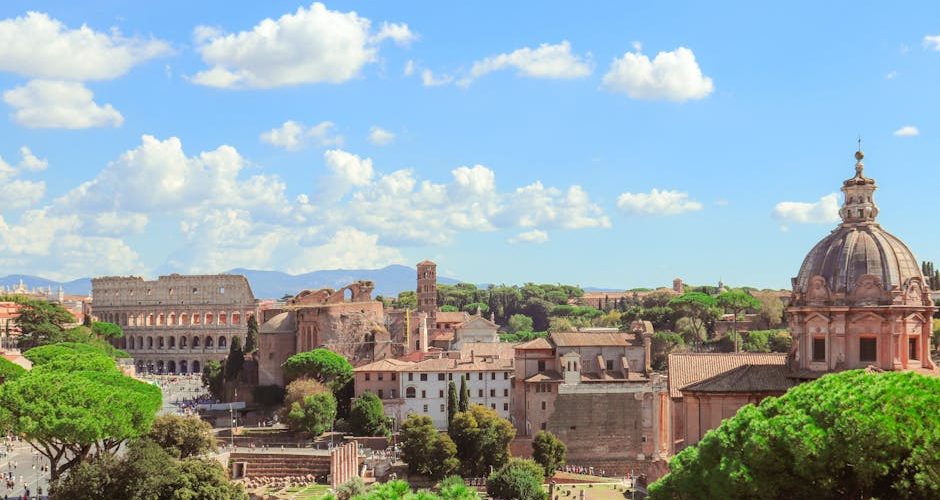
You’ve got two weeks blocked in August. You open a travel site and get the same ten recommendations: Santorini, the Amalfi Coast, Barcelona, Mykonos. You pick one. You arrive. Forty-one degrees. A four-hour queue for a boat ticket. A €20 glass of house wine. You spend the afternoon inside an air-conditioned café wondering what went wrong.
That’s not bad luck. That’s a planning problem.
August is the most searched month for travel — and the most misread. The destinations that dominate August searches are often the worst choices for August specifically. Meanwhile, some of the planet’s most compelling travel experiences peak exactly in August and barely appear in mainstream travel content.
Here’s the honest breakdown.
Why the Most Popular August Destinations Are Often the Worst Ones
Schools across the UK, France, Germany, Italy, and the Netherlands break for summer in late July. Domestic European travel surges. Airlines run maximum capacity. Hotels price accordingly.
Southern Europe — the coast everyone defaults to — responds by becoming simultaneously more crowded, more expensive, and hotter than at any other point in the year. Rome averages 36°C in August with humidity that compounds it. Athens hits 38–40°C. The Amalfi Coast road, already narrow and winding, becomes a standstill of rental cars and tour buses competing for the same switchbacks. Santorini processed an estimated 18,000 daily visitors in August 2026 against a resident population of 17,000.
Hotel pricing reflects this. A mid-range Rome hotel that costs €130/night in October costs €220–250 in August. The Amalfi Coast doubles. Mykonos luxury villas triple.
None of this makes Europe impossible in August. It makes southern Mediterranean Europe a bad deal. Scotland, Norway, Iceland, and the Balkans don’t have the same crowd or price surge. The northern and eastern edges of Europe in August are genuinely pleasant — just not the ones that get recommended first.
The deeper problem is that most August travel content is written to capture search traffic, not to give accurate seasonal advice. Lists name famous places that exist in August rather than places that are specifically good in August. That distinction costs real money when you act on bad advice.
August Travel Destinations at a Glance
Before getting specific: here’s the honest summary by region. Destinations ranked by how well August suits them, not by name recognition.
| Destination | August Conditions | Crowd Level | Cost vs. Annual Average | August Verdict |
|---|---|---|---|---|
| Masai Mara, Kenya | Dry season, 22–28°C | Moderate (lodge-based) | High — peak safari rates | Best month of the year |
| Albanian Riviera | Dry, 28–33°C | Low to moderate | 30–50% below Croatia | Strong yes |
| Hokkaido, Japan | 22–26°C, low humidity | Low vs. rest of Japan | Average | Only Japan option in August |
| British Columbia, Canada | 22–28°C, sunny and dry | Moderate | +15–25% | Peak season, worth it |
| Da Nang / Hoi An, Vietnam | Dry, 28–32°C | Low — off tourist season | Below average | Yes — dry window hits August |
| Scottish Highlands | 14–20°C, variable | Moderate | +20% | Yes — peak hiking season |
| Rome / Amalfi / Santorini | 36–42°C, humid | Extreme | +60–90% | Skip |
| Phuket / Krabi, Thailand | Monsoon — rough seas | Low | Below average | Skip — wrong coast |
| Tokyo / Kyoto, Japan | 34–36°C, very humid | Extreme (Obon holiday) | +30–40% | Avoid August specifically |
| Patagonia, Argentina/Chile | Cold, wet, winter | Very low | Low | Wrong season entirely |
The pattern is consistent: destinations in temperate northern zones, East Africa’s dry season corridor, and the parts of Southeast Asia that sit outside the monsoon window consistently outperform the Mediterranean on every August metric except brand recognition.
East Africa in August: The Wildlife Window That Justifies the Cost
There is no better month to see wildlife in Africa than August. That’s not a marketing claim — it’s what the seasonal conditions structurally produce.
August sits at the center of East Africa’s dry season. Vegetation thins out. Waterholes shrink. Animals concentrate at reliable water sources, making them far more predictable to find and observe. The Masai Mara in Kenya hits its peak because the Great Migration — roughly 1.5 million wildebeest, 200,000 zebra, and 500,000 gazelle — is actively crossing the Mara River from Tanzania into Kenya during this window.
The Mara River Crossing: What You’re Actually Waiting For
The crossings are unpredictable to the hour but highly probable across August. Herds build on the southern riverbank for hours, sometimes days, before committing to cross. Nile crocodiles — some exceeding 4 meters — are waiting. When the crossing happens, it’s chaotic, fast, and unlike anything else in wildlife watching.
Lodges positioned on the Mara River give the best access. Angama Mara sits 350 meters above the valley floor and runs 4WD game drives directly to crossing points. Sanctuary Olonana and Kichwa Tembo sit on the river itself. Rates run $600–1,200 per person per night fully inclusive — that covers accommodation, all meals, twice-daily game drives with a private guide, and park fees.
For a more accessible price point, Mara Serena Lodge runs $350–500 per person per night and is well-positioned for migration access. Book 6–8 months ahead. August camps sell out by January for the lodges that matter.
Botswana in August: Water and Wildlife Converging
The Okavango Delta in Botswana peaks between June and August. Annual floodwaters from Angolan rains reach the delta by June-July, expanding it into a 15,000km² network of channels, lagoons, and palm islands. By August the water level is ideal: full enough to explore by mokoro (traditional dugout canoe), shallow enough that predators and prey are both clearly visible from open ground.
Chief’s Island in the Moremi Game Reserve and the private concessions surrounding it — Jao Camp and Mombo Camp among them — represent the top tier of the Okavango experience. Mombo is specifically known for lion and wild dog sightings and runs $1,000+/night. Expensive, but operating at absolute peak conditions in August.
South Africa’s Kruger National Park is also in its best game-viewing window. The dry season strips vegetation from the bushveld, making animals easy to spot from the road. Self-drive through Kruger is a legitimate budget option — SANParks rest camp accommodation starts at $60–100/night, and you can cover serious ground in a standard rental 4×4 without a guide. Skukuza and Satara are the best-positioned rest camps for big cat sightings.
Africa is not cheap in August. Expect $350–700+ per person per night for mid-range to quality safari camps. The budget ceiling includes accommodation, meals, and game drives. There are backpacker-adjacent options in some parks at $100–150, but availability is limited and the experience is fundamentally different. Africa in August rewards booking early and accepting the price.
Stop Considering These Destinations for August
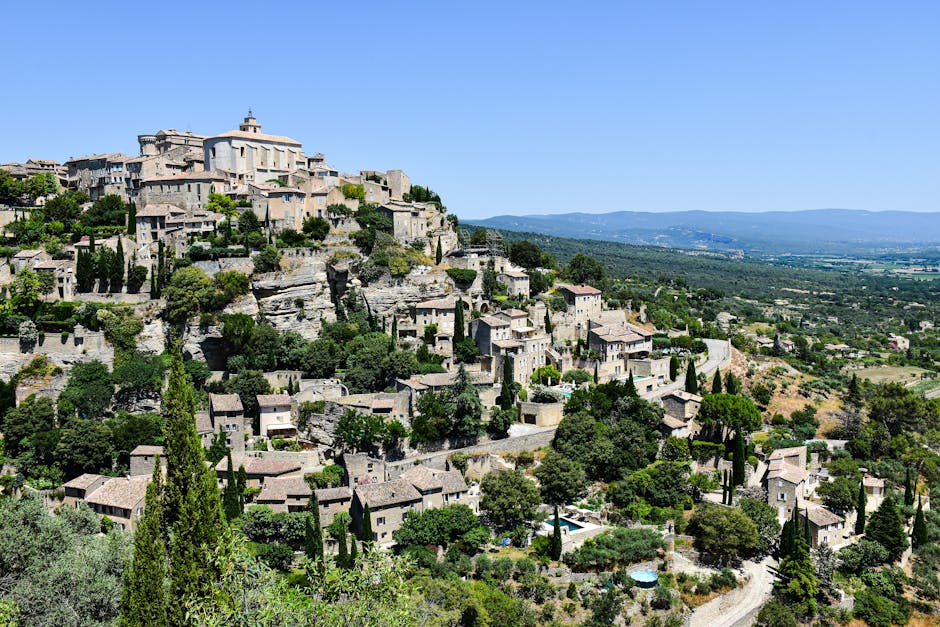
Southern European coasts in peak August heat are overpriced and overcrowded — that’s it, full stop. Phuket and Krabi are in active monsoon season with rough seas and daily storms. Tokyo during Obon week is domestic tourism at saturation point, with bullet trains booked solid and Kyoto’s major sites functioning as human conveyor belts. Patagonia is winter. These are not judgment calls; they are seasonal facts that apply every year.
Southeast Asia in August: A Split Decision Based on Geography
Southeast Asia’s monsoon pattern divides the region into coasts and inland areas that don’t behave the same way. Treating it as a single destination in August produces bad itineraries.
Which part of Thailand actually works in August?
Thailand has two coastlines with opposite monsoon calendars. The Andaman Sea (west-facing coast) — Phuket, Krabi, Koh Lanta, the Phi Phi Islands — is in full monsoon season in August. Expect daily heavy rain, rough seas with 2–4 meter wave heights, and closed beach clubs. This isn’t a weather risk you hedge against; it’s the consistent annual pattern.
The Gulf of Thailand coast (east-facing) is in its dry window in August. Koh Samui, Koh Tao, and Koh Phangan have calm water, reliable sunshine, and fewer tourists than their Andaman counterparts see during peak season. Koh Tao is the cheapest place in Thailand to get PADI dive certified, and August diving conditions are good — visibility runs 15–25 meters at most sites.
Chiang Mai in northern Thailand is technically rainy in August but functions well. The city stays cooler than the coast (28°C average vs. 34°C), the mountains are intensely green, and the old city temples are accessible without the midday heat exhaustion common in other months.
Japan in August: One region works, the rest don’t
Tokyo and Osaka average 34–36°C in August with humidity that makes it feel 40°C+. The Obon holiday in mid-August creates a domestic travel surge — shinkansen book out weeks in advance, ryokan prices spike, and popular sites like Kyoto’s Fushimi Inari become shoulder-to-shoulder crowds from 6 a.m.
Hokkaido is the exception. Japan’s northernmost main island averages 22–26°C in August — genuinely comfortable. Furano’s lavender fields extend into early August. Shiretoko National Park, a UNESCO World Heritage site, offers brown bear spotting, sea kayaking, and hiking in conditions that are pleasant rather than survivable. Flights from Tokyo to Sapporo on ANA or JAL take 90 minutes and cost $80–150 return booked several weeks ahead. If Japan is on your list and August is your window, Hokkaido is the only sensible answer.
Vietnam: the central coast is the August answer
Northern Vietnam (Hanoi, Ha Long Bay) is in heavy monsoon season in August — not occasional showers, but genuine rain with flooding risk in the Hanoi basin. Southern Vietnam is technically wet season but gets afternoon showers rather than all-day rain, so morning hours are workable.
Central Vietnam — Da Nang and Hoi An — sits in its dry window in August. The central coast’s rainy season runs October through January. In August: beach weather, dry streets for cycling through Hoi An’s old town, and prices well below what European coastal resorts charge. A quality beach resort in Da Nang runs $60–100/night in August. Hoi An’s tailors, the Marble Mountains day trip, and the My Son Sanctuary ruins are all accessible without rain interruption.
The Four August Destinations Worth Booking Now
Concrete picks, not a hedged list:
- Masai Mara, Kenya — For the Great Migration river crossing. Mara Serena Lodge at $350–500/night for a viable mid-range option; Angama Mara at $900+/night for the premium experience. Book immediately — August camps sell out by February at the latest. Nothing else delivers this specific wildlife experience at this time of year.
- Albanian Riviera — Himara, Saranda, and Ksamil offer Adriatic coastline at a fraction of Croatian or Greek pricing. A good guesthouse runs €40–70/night. The water is clear, the beaches are uncrowded by Mediterranean standards, and a meal with wine costs €15–20. The most underrated coastal option in Europe right now, and August is peak season for it.
- Hokkaido, Japan — 23°C while the rest of Japan sweats through Obon crowds. Lavender fields, brown bear country in Shiretoko, exceptional ramen in Sapporo, and none of the bullet train booking pressure. For Japan in August, this is the only version of the trip that makes sense.
- Da Nang / Hoi An, Vietnam — Dry season, low tourist density, $60–80/night beach resorts, and one of Southeast Asia’s most walkable and visually distinctive old towns. Combine with the Marble Mountains or a day trip to My Son Sanctuary. Central Vietnam in August is consistently underbooked relative to what it delivers.
That person staring at Santorini prices watching availability drop? The answer was never Santorini in August. It was one of these four — specific destinations that are objectively at their best in August, not merely destinations that happen to exist in August. The difference is what separates a trip worth remembering from an expensive lesson in seasonal planning.