Cruise Vacation Meaning: Cruise Vacation Explained: Types, Costs, How to Pick Right
05/20/2026
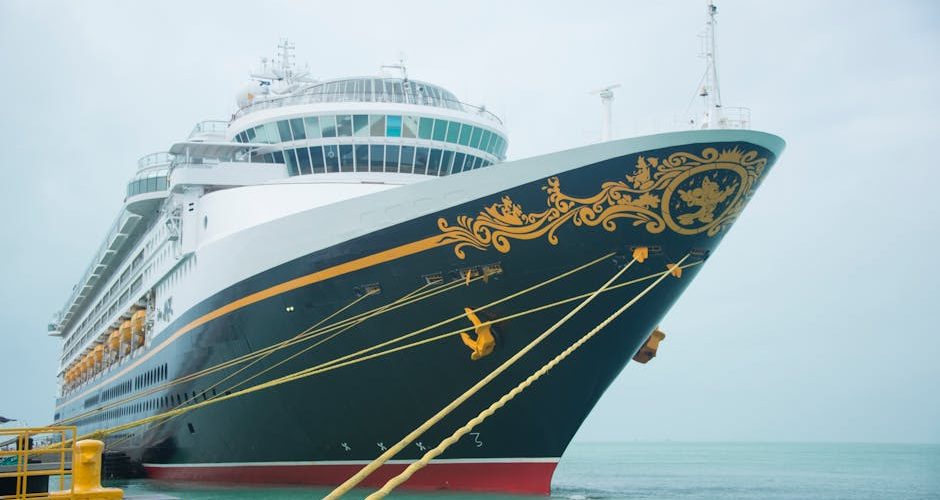
Carnival advertises 7-night Caribbean cruises from $499 per person. Royal Caribbean starts around $799. MSC goes as low as $399. None of those numbers mean what a first-time cruiser thinks they mean — and that gap between the headline price and what you actually spend is the most important thing to understand about cruise vacations before you book one.
A cruise vacation is travel on a ship that moves between destinations, with accommodation, meals, and most entertainment bundled into a single base price. The ship is the hotel, the vehicle, and often the main attraction. But that definition covers wildly different products — from 7,000-passenger floating resorts in the Bahamas to 100-passenger expedition ships navigating Antarctica. Knowing which version you’re actually buying changes the entire calculation.
What a Cruise Vacation Actually Is — Beyond the Brochure
The structure is straightforward: you board at a home port, the ship sails to a series of destinations over several days or weeks, and you disembark at the end. On sea days, you’re on the ship. On port days, you dock — or tender ashore by small boat — and have several hours to explore before returning.
What the base fare includes on most mainstream lines:
- Your cabin — ranging from around 140 sq ft interior rooms to 1,500+ sq ft suites
- All main dining room meals, three per day at set or flexible times
- Buffet dining, available nearly around the clock on large ships
- Access to pools, gyms, live shows, and most onboard entertainment
What it does NOT include: specialty restaurants, alcoholic drinks, shore excursions, spa services, Wi-Fi, and daily gratuities. These extras are where the advertised fare diverges sharply from the actual cost.
A Royal Caribbean 7-night Caribbean cruise might advertise from $799 per person. Add a drinks package ($65–100/person/day), Wi-Fi ($25–35/day), gratuities (~$18/person/day), and two excursions per port stop, and that trip runs $1,900–$2,400 per person before flights. This is not hidden — it is just not foregrounded in the marketing, and it surprises first-timers consistently.
Sea Days vs. Port Days: The Split That Defines Your Trip
Every itinerary balances time at sea with time ashore. A 7-night Caribbean route might include 4 port days and 3 sea days. A 7-night Mediterranean itinerary might flip that — 6 port days, 1 sea day. If you are booking for the destinations, count port days before you commit. If you want a floating resort where the ship is the experience, sea days are the point. Norwegian Cruise Line and Royal Caribbean both publish day-by-day schedules on their booking pages — count them before you pay.
Embarkation Day: What Nobody Warns You About
Boarding a ship carrying 5,000+ passengers means crowds. Arriving at the terminal between noon and 2pm puts you in the longest queues. Arriving at 11am or after 3pm cuts the wait significantly. Cabins are typically not ready until 1–2pm regardless of when you board. Bring a day bag with your swimsuit, sunscreen, and medications so you can use the ship while waiting for your luggage to be delivered to your room.
Six Types of Cruise Vacations Compared
The word “cruise” covers very different products. This table covers the main categories, average pricing, and who actually books them.
| Type | Ship Size | Avg. Cost (7 nights, per person) | Best For | Example Lines |
|---|---|---|---|---|
| Mainstream Ocean | 3,000–7,000 passengers | $500–$1,500 | First-timers, families, groups | Royal Caribbean, Carnival, MSC Cruises |
| Premium Ocean | 1,500–3,000 passengers | $1,500–$3,500 | Couples, food-focused travelers | Celebrity Cruises, Princess Cruises, Holland America |
| Luxury / Ultra-Luxury | 100–800 passengers | $4,000–$15,000+ | High-end travelers, true all-inclusive | Silversea, Regent Seven Seas, Seabourn |
| River Cruise | 100–250 passengers | $2,500–$6,000 | Cultural travel, European or Asian rivers | Viking River Cruises, AmaWaterways, Avalon Waterways |
| Expedition | 50–200 passengers | $5,000–$25,000+ | Wildlife, remote destinations, adventure | Lindblad Expeditions, Hurtigruten, Aurora Expeditions |
| Small Ship / Yacht | 18–300 passengers | $3,000–$10,000+ | Boutique experience, unusual ports | Windstar Cruises, Paul Gauguin Cruises, SeaDream |
The mainstream-to-luxury pricing gap is wide — but the gap in what is included is just as significant. On a Regent Seven Seas sailing, the fare covers alcohol, specialty dining, all shore excursions, and gratuities. Nothing is upsold. On a Carnival ship, the base fare is much lower but everything beyond meals costs extra. Always calculate total spend, not headline fare, when comparing across categories.
River Cruises vs. Ocean Cruises: A Meaningful Distinction
River ships dock in city centers — you step off in Budapest, Bordeaux, or Hanoi and you are already in the neighborhood. Ocean ships dock at commercial port terminals, often 20–40 minutes by bus from the actual city. A Danube river cruise with Viking River Cruises or AmaWaterways is primarily a cultural land tour that happens to sleep on the water. An ocean cruise is primarily a ship experience that visits ports.
If the destination matters more than the vessel, river cruising often wins — even at the higher per-night cost.
What’s Included vs. What Costs Extra: The Real Numbers
First-time cruisers consistently underestimate total spend. Here is exactly what the base fare covers — and what it does not:
- Main dining meals — included on nearly all lines. Three daily meals in the main restaurant, quality varies by line.
- Buffet — included. Available almost 24 hours on large ships, typically with a wide range of options.
- Specialty restaurants — NOT included. Surcharges of $30–$60 per person per meal on mainstream lines. Norwegian Cruise Line and Celebrity Cruises both sell dining packages ($80–$120/person for the voyage) that reduce this cost for repeat diners.
- Alcoholic drinks — NOT included on mainstream and premium lines. Drinks packages from Royal Caribbean start at $65/person/day. Celebrity Cruises packages run $85–$115/person/day. Luxury lines like Silversea and Regent Seven Seas include alcohol fully in the fare.
- Wi-Fi — NOT included on most lines. Royal Caribbean’s Starlink-enabled packages run $20–$35/day. Celebrity Edge has better-than-average connectivity for the premium tier.
- Shore excursions — NOT included. Ranges from $40 for city walking tours to $400+ for helicopter trips or private charters. Booking locally at port through independent operators is typically 30–50% cheaper than the ship’s own excursions — just confirm the tour returns before the ship’s departure time.
- Gratuities — automatic on most lines at $16–$20/person/day. Many travelers do not factor this in until they see it on their onboard account.
- Spa, casino, art auctions, photo packages — all additional and aggressively marketed onboard. Skip the embarkation day photo packages; they are significantly overpriced.
For a realistic per-person daily budget on a mainstream ship: add $80–$130 to the base fare per day to account for drinks, gratuities, and one excursion. A couple on a 7-night Royal Caribbean sailing with a from-$899-per-person base should realistically budget $2,400–$3,200 each before flights.
The Right Cruise Line for Your Travel Style
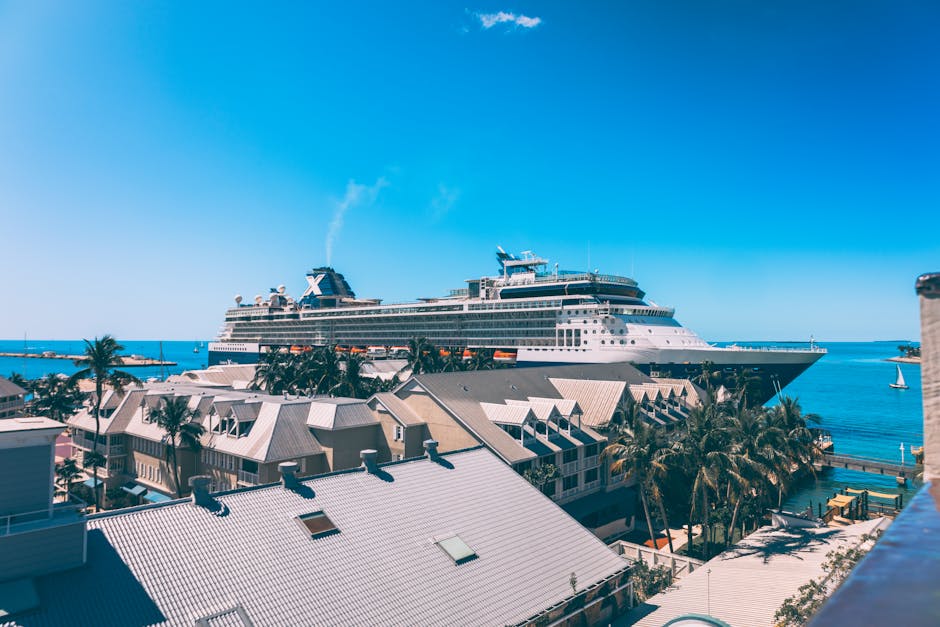
Pick by what you value on the ship — not just the advertised price.
For families with children under 16, Royal Caribbean is the clearest choice. The Adventure Ocean kids program, onboard waterslides, rock climbing walls, and the scale of Oasis-class ships — Wonder of the Seas carries 6,988 passengers — give children enough structured activity that parents are not running the itinerary all day.
For couples who want meaningfully better food without paying luxury prices, Celebrity Cruises sits in the best value position. Celebrity Edge and Celebrity Beyond deliver noticeably better main dining room quality than Carnival or MSC, and the ship design is modern without being overwhelming. Budget $1,800–$3,500 per person for a 7-night sailing.
For travelers who dislike constant upselling: Viking Ocean Cruises. No casino, no art auctions, no PA announcements pushing onboard spending. The experience is nearly all-inclusive and culturally focused. A 7-night Norwegian Fjords sailing runs $3,500–$5,000 per person with most shore excursions included in the fare.
For budget-first travelers testing whether cruising even suits them: MSC Cruises or Carnival Jubilee. MSC consistently posts some of the lowest per-night rates in the Caribbean and Mediterranean, and their newer ships are genuinely well-built. Carnival Jubilee sailings start around $500 per person for short Caribbean departures — the lowest-risk entry point into the format.
The Small-Ship Alternative That Solves the Crowd Problem
Windstar Cruises carries 148–312 passengers — small enough to dock where mega-ships cannot access. A 7-night Greek Islands itinerary with Windstar visits Santorini, Mykonos, Patmos, and several smaller islands where you arrive as one of very few cruise passengers rather than one of several thousand. Fares start around $2,800 per person. For anyone who wants the convenience of a cruise without the scale, this is the most underused segment in the market.
When a Cruise Vacation Is the Wrong Call
If your goal is depth — three days in one city, neighborhoods explored slowly, local restaurants researched for months — a cruise will disappoint. Port days run 7–9 hours. That is enough for a highlights tour. It is not immersion.
Solo travelers also face a structural pricing problem. Most cruise lines build cabin pricing around two occupants and charge solo travelers a 50–100% single supplement on the double-occupancy rate. Norwegian Cruise Line is the main exception, with dedicated solo studios at no single supplement on several ships. For solo cruisers, that one feature narrows the reasonable choice considerably.
Six Questions Worth Answering Before You Book
Is the ship or the destination more important to you?
If the destinations are the point, count port days in the itinerary and compare routes directly. If you want a floating resort, sea days are what you are paying for. Booking a sea-day-heavy itinerary to “see Europe” and then feeling short-changed on the ports is a predictable outcome — and an avoidable one.
What is your actual total budget?
Take the advertised base fare and add $600–$1,000 per person for a 7-night mainstream sailing — drinks, gratuities, two excursions. If that number changes which ship you can realistically afford, better to know now than discover it onboard when the decisions are already made.
Interior, oceanview, or balcony cabin?
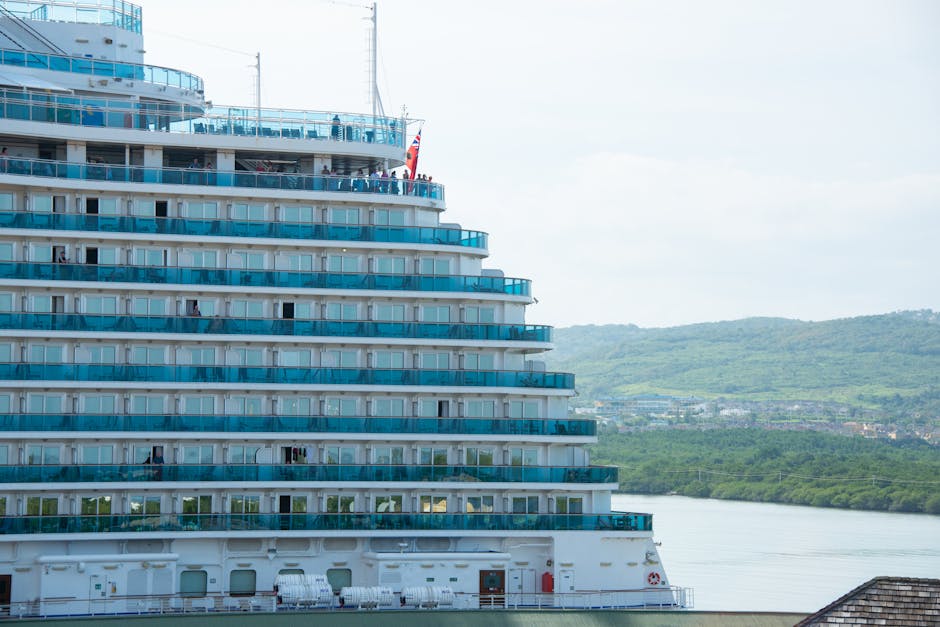
Interior cabins have no window and are the cheapest option. On large ships where you spend most daylight hours in public spaces, they are genuinely fine. Balcony cabins earn their premium on scenic itineraries — Norwegian Fjords, Alaska, the Galápagos. In the Caribbean, where the scenery is at the ports rather than at sea, the balcony markup is harder to justify. Oceanview cabins — natural light, no balcony — are the practical sweet spot on most warm-weather routes.
Should you use a cruise specialist or book direct?
For sailings over $3,000 per person, using a cruise specialist agent costs nothing — they are paid by the cruise line — and often produces onboard credits, cabin upgrades, or dining packages unavailable when booking direct. For short budget sailings, booking through the cruise line’s own website is straightforward and adds no meaningful risk.
When is the best time to book?
Two windows historically produce the best pricing. Wave season — January through March — is when cruise lines run their largest promotions as new sailings open and lines compete on price. Last-minute windows, within 90 days of departure, offer discounts for flexible travelers who are not locked to specific cabin categories or dates. Booking 12–18 months ahead makes sense only for high-demand itineraries where specific cabin types sell out.
Do you need cruise-specific travel insurance?
Standard travel insurance policies often exclude or cap coverage for situations specific to cruising: medical evacuation from international waters, missed port coverage, and trip interruption mid-voyage. Ship medical centers charge $150–$400 per visit, and medical evacuation from a remote itinerary can reach five figures. Check that your policy explicitly names these scenarios — not just the headline trip cancellation benefit. Reading the actual policy document, not the product page summary, is where this distinction becomes clear.
Cruise vacations have expanded well beyond the formal-dinner-every-night format that puts some people off. The category now spans budget Caribbean party ships to polar expedition vessels staffed by marine biologists. The core format — ship as home base, destinations as day trips — either suits how you travel or it does not. Figuring that out clearly before you board is worth more than any individual booking decision once you are on the water.