Kyoto Hidden Gems Itinerary: Kyoto Hidden Gems: A 5-Day Itinerary That Skips the Crowds
10/23/2026
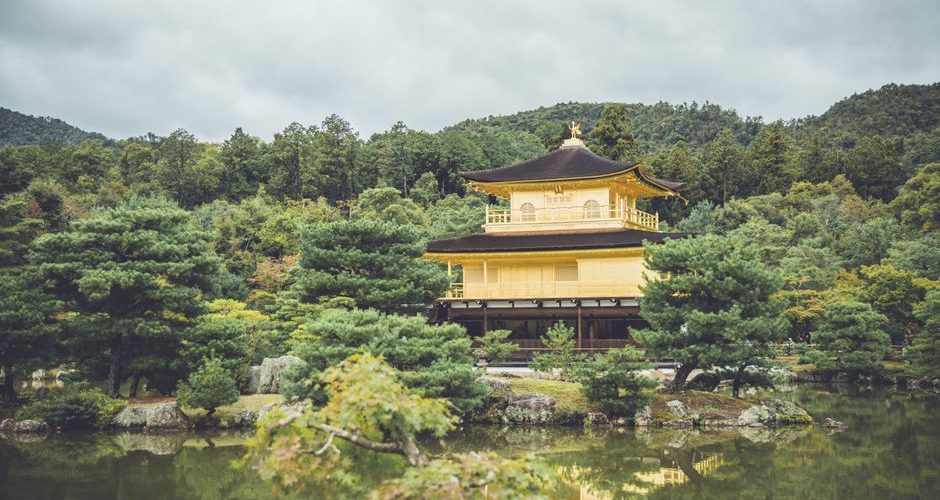
You don’t need another list of Kyoto’s top 10 temples. You need a plan that gets you away from the tour groups by 9:15 AM. This 5-day itinerary covers the quiet corners of Kyoto — the neighborhood shrines, the back-alley coffee shops, the hillside walks where you’ll hear birds instead of selfie sticks. Every day includes exact routes, timing, and one thing most visitors miss entirely.
Day 1: Northern Kyoto’s Temple Walk Without the Buses
Start north. Most visitors head straight to Kinkaku-ji (the Golden Pavilion) and stand shoulder-to-shoulder with hundreds of people. Instead, begin at Daitoku-ji, a sprawling Zen temple complex with over 20 sub-temples. Only a handful are open to the public, and most tourists never walk through the main gate.
The Route That Works
Take the Karasuma subway line to Kitaoji Station (15 minutes from Kyoto Station, ¥260). Walk east for 10 minutes to Daitoku-ji. Spend 90 minutes exploring the open sub-temples — Zuiho-in and Daisen-in are the two worth paying for. Zuiho-in’s rock garden is ¥400 and you’ll likely have it to yourself before 10 AM.
From Daitoku-ji, walk 15 minutes south to Funaoka Onsen, a 1923 public bathhouse that looks like a movie set. Entry is ¥490. Go in the afternoon when it’s quiet. The carved wooden ceiling alone justifies the trip.
Where to Eat
Skip the tourist restaurants near Kinkaku-ji. Walk to Sarasa Nishijin, a coffee shop inside a former bathhouse from the 1930s. The curry rice set is ¥1,100 and the tiled walls are original. It’s a 10-minute walk south of Funaoka Onsen.
Day 2: The Arashiyama Everyone Misses
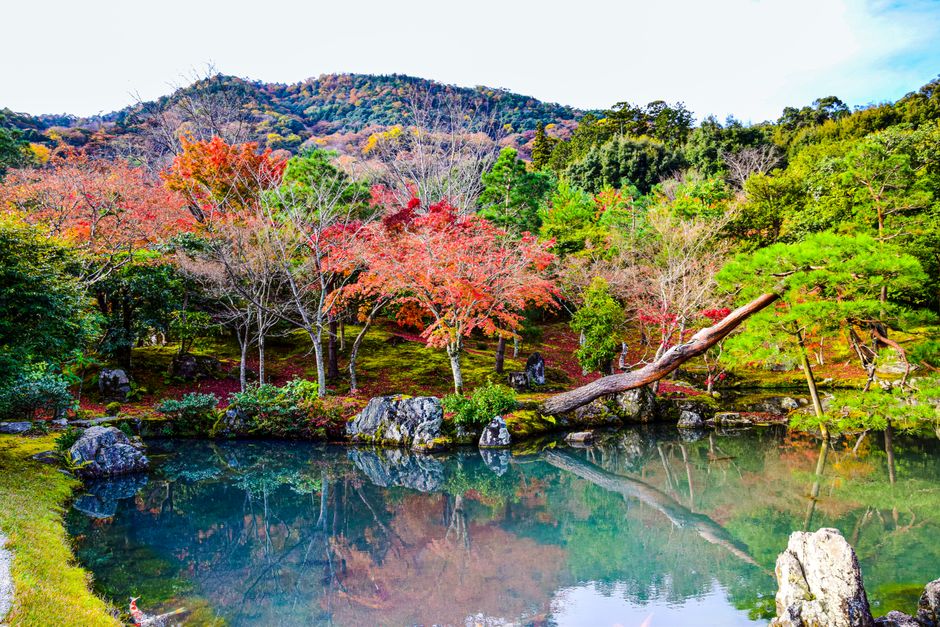
Arashiyama’s bamboo grove is beautiful for exactly 20 minutes before the crowds ruin it. The solution: go at 6:45 AM. But the real hidden gems are north of the main tourist strip.
Otagi Nenbutsu-ji: The Temple of 1,200 Faces
Take a taxi from Arashiyama Station (¥1,500, 10 minutes) or walk 40 minutes uphill. Otagi Nenbutsu-ji has 1,200 stone statues of rakan (Buddha’s disciples), each with a different facial expression. Entry is ¥300. You’ll share the space with maybe five other people. The statues were carved by amateurs in the 1980s, which is why they look so oddly human — some are laughing, some are crying, one is holding a tennis racket.
The River Walk Back
Walk downhill from Otagi Nenbutsu-ji along the Saga-Toriimoto Preserved Street. Stop at Adashino Nenbutsu-ji (¥500), a temple with 8,000 stone statues in a bamboo grove. Then continue to the main Arashiyama area. By the time you reach the bamboo grove, it’s late morning and the crowds are thick — which is fine, because you’ve already seen the better version.
Day 3: Fushimi Inari Without the Climb
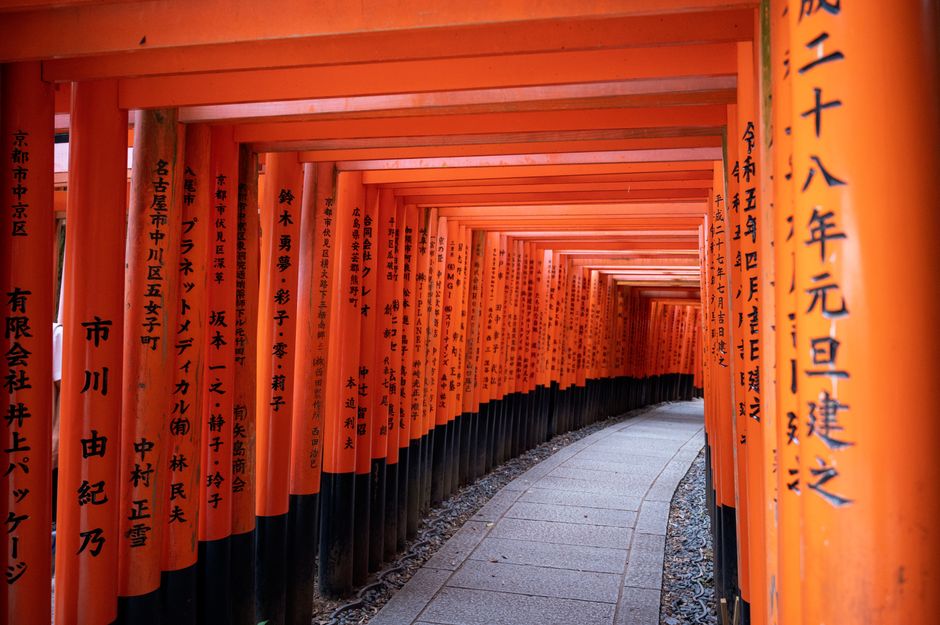
Everyone wants the torii gate photo. Almost nobody walks past the first 30 minutes of the trail. The mountain has over 10,000 gates spread across 4 kilometers of hiking paths. The further you go, the fewer people you see.
| Trail Section | Distance from Base | Crowd Level | Time to Reach |
|---|---|---|---|
| Senbon Torii (double gates) | 200m | Extreme | 10 min |
| Yotsutsuji Intersection | 1.5km | Moderate | 40 min |
| Mount Inari Summit | 2.3km | Light | 1.5 hours |
| Kumataka Shrine (back route) | 2.0km | Nearly empty | 1 hour |
The back route from Kumataka Shrine is the move. Start from Tofuku-ji Station instead of Inari Station. Walk through the quiet residential streets to the shrine entrance on the mountain’s west side. You’ll hit the main trail near the summit, then descend through the gates everyone else is still climbing toward.
Timing That Matters
Go at 7 AM or go at 4 PM. Midday is a human river. The 7 AM start means you’ll be done by 10 AM and can spend the afternoon in the Fushimi sake district — a 15-minute walk from the shrine. Gekkeikan Okura Sake Museum (¥600) includes tastings and a self-guided tour through a 100-year-old brewery.
Day 4: The Neighborhood Day
Skip the tourist checklist entirely. Spend a full day walking through Kyoto’s residential neighborhoods, where the real city lives.
Morning: Demachiyanagi and the Kamogawa Delta
Take the Keihan line to Demachiyanagi Station. Walk to the Kamogawa River delta, where the Kamo and Takano rivers meet. Locals bring coffee and sit on the stone steps. There’s a small shrine on the riverbank called Kawaramachi Shrine that’s been there since the 8th century. No entrance fee. No crowds.
From there, walk south along the river for 20 minutes to Kyoto University’s Yoshida Campus. The campus is open to the public and has a surprisingly good cafeteria — the Yoshida Shokudo serves katsudon for ¥550. It’s not a tourist spot. It’s just a university cafeteria. That’s the point.
Afternoon: Nishijin’s Textile Alleys
Nishijin is Kyoto’s traditional weaving district. Most visitors never come here. Walk the narrow alleys between Imadegawa and Nakasuji-dori. You’ll hear looms clicking inside wooden machiya townhouses. Some workshops sell obi fabric scraps for ¥200-500 — perfect for sewing into bookmarks or framed art.
Stop at Orinasu-kan (Nishijin Textile Center), but skip the tourist shows. Instead, watch the free weaving demonstrations on the ground floor and check the fabric sample displays. Then walk two blocks east to Konnichi-an, a tiny tea house that’s been serving matcha since 1912. The matcha and wagashi set is ¥900.
Day 5: The Eastern Hills Without the Tour Buses
Kiyomizu-dera and Ginkaku-ji are famous for good reason. But the path between them — the Philosopher’s Path — is where the real Kyoto lives. Here’s how to do it backwards.
The Reverse Route
Start at Ginkaku-ji (Silver Pavilion) at 8:30 AM when it opens. Entry is ¥500. The sand garden is the draw, but the moss garden behind it is better. Spend 45 minutes, then walk south along the Philosopher’s Path.
The path is 2 kilometers of stone walkway along a canal. Cherry trees line the entire route. In spring it’s packed, but in every other season you’ll share it with joggers and elderly couples walking dogs. Stop at Honen-in, a small temple with a thatched gate and no admission fee. It’s 10 minutes off the main path and most people walk right past.
Continue south to Eikan-do (¥600). Skip it if you’re templed out. Instead, turn west and walk through the back streets of Higashiyama toward Kodai-ji (¥600). The bamboo grove here is smaller than Arashiyama’s but almost always empty.
The Late Afternoon Move
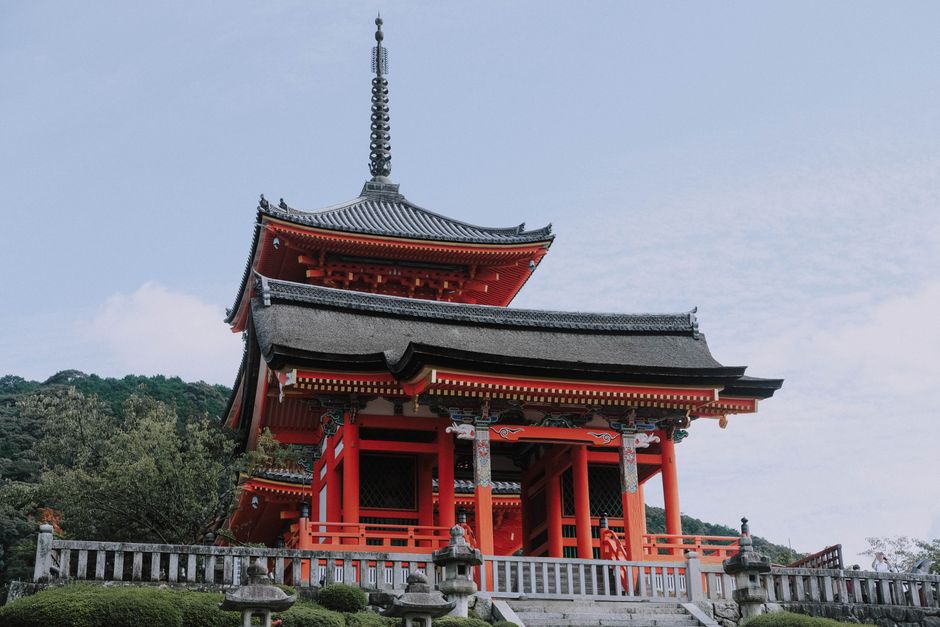
By 4 PM, the Kiyomizu-dera crowds are thinning. Go then. The temple closes at 6 PM (last entry 5:30 PM). The sunset view from the wooden stage over the city is worth the ¥400 entry. Afterward, walk down Ninenzaka and Sannenzaka — the preserved shopping streets — after the shops close. The empty streets at dusk are the Kyoto you came for.
What Actually Goes Wrong (And How to Avoid It)
Three mistakes ruin most Kyoto trips. Here they are.
- Overpacking the day. Three temples in one day is the maximum. Four means you’ll rush through all of them and remember none. This itinerary gives you two main stops per day. That’s deliberate.
- Using buses for everything. Kyoto’s bus system is slow and crowded. The subway is faster for north-south routes. Walking is faster for anything under 2 kilometers. Get an ICOCA card at any station (¥2,000 with ¥1,500 loaded) and use it for everything.
- Eating near major temples. Restaurants near Kiyomizu-dera and Kinkaku-ji charge double for half the quality. Walk 10 minutes in any direction and prices drop by 40%. The best food in Kyoto is in residential neighborhoods, not tourist zones.
Kyoto Hidden Gems: The Verdict
Kyoto’s hidden gems aren’t hidden. They’re just 15 minutes past where the tour buses stop. Daitoku-ji, Otagi Nenbutsu-ji, the Fushimi Inari back route, and the Nishijin textile district are all on the standard map. But they require walking a little further, starting a little earlier, or skipping the famous thing in favor of the better thing.
The 5-day breakdown:
- Day 1: Daitoku-ji + Funaoka Onsen + Sarasa Nishijin (north)
- Day 2: Otagi Nenbutsu-ji + Adashino Nenbutsu-ji + Arashiyama (west)
- Day 3: Fushimi Inari back route + Gekkeikan Sake Museum (south)
- Day 4: Demachiyanagi + Yoshida Campus + Nishijin (central)
- Day 5: Ginkaku-ji + Philosopher’s Path + Kiyomizu-dera at dusk (east)
Total entry fees for this entire itinerary: roughly ¥4,000 (about $27). Total time spent in crowds: maybe 30 minutes, if you time it right. That’s the difference between seeing Kyoto and actually being in it.