Iceland Winter Packing List: What I Actually Bring for Two Weeks
10/20/2026
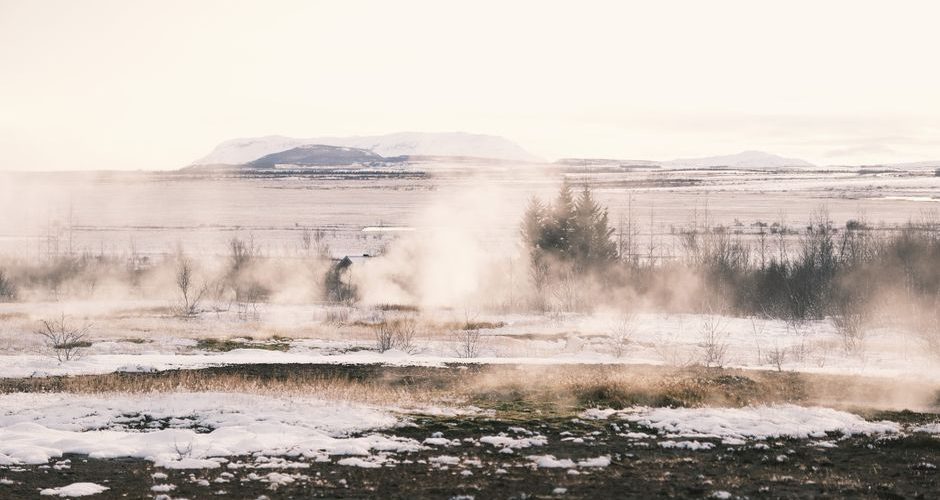
Most Iceland winter packing lists are written by people who spent three days in Reykjavik and took a Golden Circle bus tour. This is not that list. I have spent two full weeks in Iceland in February, driving the south coast to Jokulsarlon, hiking in Snaefellsnes, and standing under Skogafoss while sideways sleet tried to remove my face. The packing strategy changes when you are out for 14 days, not 72 hours. You need fewer clothes than you think, but the right clothes matter more than you expect.
The single most important rule: cotton is a liability. Not a preference. A safety issue. When cotton gets wet from snow, sweat, or sea spray, it stays wet and pulls heat from your body. In Iceland, you will get wet. The temperature hovers around 0°C (32°F) in winter, but the wind and precipitation make it feel far colder. Merino wool and synthetic layers dry fast and keep insulating even when damp. That is the entire foundation. Everything else is detail.
The Layer System That Actually Works
Forget the 47-item packing list. You need three layers, maybe four on the worst days. Here is the exact system I used every single day.
Base Layer: Merino Wool, Not Cotton
I brought two merino wool base layer sets: one Icebreaker 200 Oasis long-sleeve crew ($80) and one Smartwool Classic Thermal Merino ($115). Two sets for two weeks means you alternate, wash one in the sink every few days, and never smell like a wet dog. The Icebreaker 200 weight is perfect for active days. The Smartwool 250 is better for slow days when you are standing outside watching the northern lights for three hours. If you only buy one, get the 200 weight. You can always add a mid layer.
Do not bring cotton leggings. Do not bring cotton underwear. Do not bring cotton socks. I wore Darn Tough Mountaineering Micro Crew socks ($28 per pair, merino blend, lifetime warranty). Three pairs. That’s it. They dry overnight if you wash them.
Mid Layer: Fleece or Wool Sweater
A Patagonia Better Sweater ($139) or a traditional Icelandic wool sweater from Icewear (around 25,000 ISK, roughly $180) works here. The Icelandic lopapeysa is genuinely warm and wind-resistant, but it is bulky. I brought the Patagonia Better Sweater because it packs smaller and dries faster. The tradeoff: the lopapeysa looks better in photos and supports local makers. Both work. Pick one. Do not bring both.
Outer Shell: Waterproof AND Windproof
This is where most people fail. They bring a fashionable winter coat from home. That coat is not waterproof enough and it is not windproof enough. Iceland’s wind regularly hits 40-60 km/h in winter. Rain falls sideways. Snow turns to sleet without warning. You need a proper shell.
I used the Arc’teryx Beta AR jacket ($600). Yes, it is expensive. No, you do not need that exact one. But you need something with a waterproof rating of at least 20,000mm and taped seams. The REI Co-op Rainier Jacket ($99) works if you layer properly underneath. The point is: your outer layer is a shield, not insulation. It keeps water and wind out. Your mid and base layers keep you warm.
The Boot Question: This Is Where Budgets Go to Die
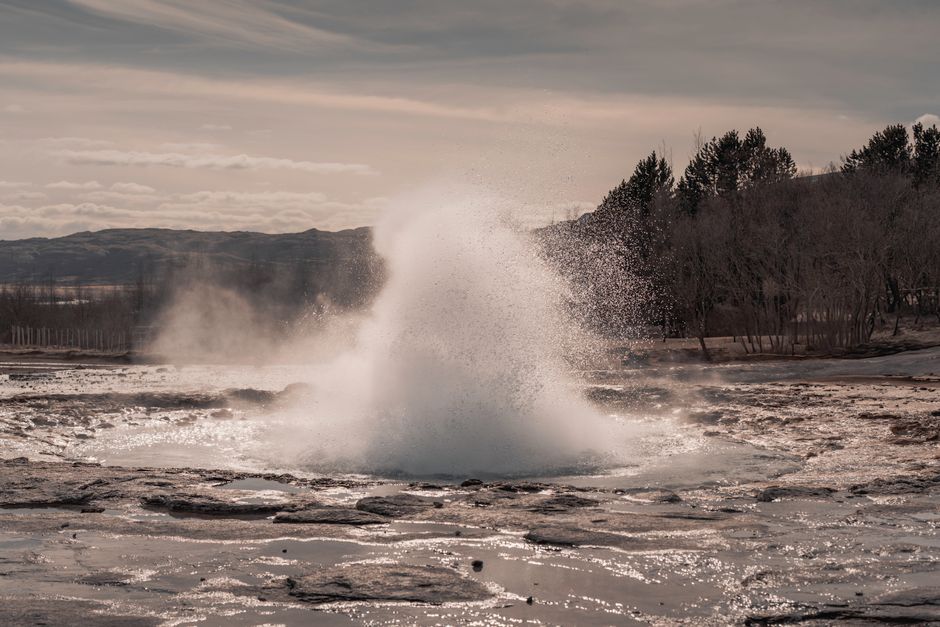
I watched a man at Seljalandsfoss walk behind the waterfall in white sneakers. His feet were soaked within seconds. The temperature was -2°C. He had a two-hour drive back to Reykjavik. Do not be that man.
You need waterproof boots with real traction. Not water-resistant. Waterproof. The difference matters when you step into ankle-deep slush or stand on ice near Gullfoss. I wore Sorel Caribou boots ($190) for the entire trip. They are rated to -40°C, fully waterproof, and have a lug sole that handled packed snow and ice well. The downside: they are heavy. For hiking, I also brought Lowa Renegade GTX Mid ($245), which are lighter and have better ankle support for trails like the Reykjadalur hot spring hike.
If you only bring one pair, bring the Sorels. They handle city walking, glacier lagoon viewing, and light hiking. The Lowas are better for serious trails but overkill for most winter itineraries. Whatever you choose, break them in before you go. New boots plus 14 days of walking equals blisters by day three.
Accessories: The Difference Between Miserable and Fine
This section is short because it is simple. But skip any of these and you will regret it within hours.
- Gloves: Two pairs. One lightweight liner glove (Seirus Innovation All Weather Gloves, $25) for photography and phone use. One heavy waterproof mitt (Hestra Heli Ski Mitt, $160) for everything else. Mitts are warmer than gloves. Your fingers share heat.
- Hat: Merino wool beanie. Any brand. I used a Fjallraven Byron Beanie ($45). Covers ears. That is the only requirement.
- Neck gaiter or buff: Buff Original Multifunctional Headwear ($24). Wind burns your face fast. This covers your nose and cheeks when the wind picks up.
- Sunglasses: Low winter sun reflecting off snow is blinding. Polarized lenses. I brought Julbo Sherpa ($90) because they wrap around the sides.
- Microspikes: Kahtoola MICROspikes ($75). These strap onto your boots and give you traction on ice. I used them at Thingvellir and on the path to Svartifoss. Worth every gram.
That is the entire accessory list. Anything else is optional. A scarf is redundant if you have a buff. Earmuffs are redundant if you have a hat. Keep it lean.
Electronics: The Cold Kills Batteries
Your phone battery will drain twice as fast in cold weather. Your camera will fog when you bring it inside. Your power bank will refuse to charge if it gets too cold. This is not a theory. It happened to me at Jokulsarlon when my phone went from 40% to dead in 20 minutes while photographing icebergs.
Power Management
Bring a 20,000mAh power bank. I used the Anker PowerCore 20,100mAh ($50). Keep it in an inside jacket pocket, not in your backpack. Your body heat keeps it warm enough to function. Charge your phone from it while walking, not while standing still in the wind.
Camera Considerations
If you bring a DSLR or mirrorless camera, bring a gallon-size Ziploc bag. Before going inside, put the camera in the bag and seal it. Let it warm up inside the bag for 30 minutes. This prevents condensation from forming inside the lens. I skipped this once. My lens fogged for two days. Learn from my mistake.
For phone photography, a touchscreen-compatible liner glove is essential. Taking off your glove to take a photo in -5°C wind hurts. The Seirus gloves I mentioned earlier have touchscreen fingertips. They are not perfect, but they work well enough for quick shots.
What NOT to Bring: The Overpacking Trap
Most people bring too much. Here is what I left at home and did not miss.
Jeans. They are heavy, they hold water, and they take forever to dry. You will wear them once and regret it. Bring two pairs of softshell pants instead. I used Fjallraven Keb Trousers ($250) for hiking and Prana Stretch Zion ($99) for everything else.
More than three pairs of shoes. Boots for outdoors. One pair of lightweight sneakers or slippers for indoors and guesthouses. That is it. Hotels in Iceland often ask you to remove shoes at the door. Bring something easy to slip on.
A giant suitcase. You will be hauling luggage over ice, through snow, and into small rental cars. A 40-50L backpack or a small rolling duffel is easier. I used a Patagonia Black Hole Duffel 55L ($169). It fits in the trunk of a Dacia Duster without issue.
An umbrella. The wind will destroy it in ten minutes. Your waterproof shell is your umbrella.
The Laundry Reality: Two Weeks Without a Washing Machine
You cannot bring 14 days of clothes unless you want to check a body bag. The secret is sink washing. Every few nights, wash your base layer and socks in the sink with a small bottle of Dr. Bronner’s Pure-Castile Soap ($17, 2oz bottle). Wring them out, roll them in a towel to remove excess water, and hang them overnight. Merino wool dries fast. By morning, they are ready to wear.
Most guesthouses in Iceland have radiators. Hang your damp clothes near the radiator and they will dry even faster. Do not hang them directly on the radiator. You will shrink the wool.
Many towns have laundromats, but they are expensive and slow. Budget 2,000-3,000 ISK ($15-22) per load. Sink washing is free and takes five minutes. For a two-week trip, I did one real laundry load at the halfway point in Vik and sink-washed the rest.
The Final Verdict: 30 Items, Not 60
Here is my complete list, counted out. This is everything I brought. Nothing more.
| Category | Item | Quantity | Notes |
|---|---|---|---|
| Base layer top | Icebreaker 200 Oasis | 2 | Merino wool, sink wash weekly |
| Base layer bottom | Smartwool Merino 250 | 2 | Wear under softshell pants |
| Socks | Darn Tough Mountaineering | 3 pairs | Merino blend, lifetime warranty |
| Mid layer | Patagonia Better Sweater | 1 | Fleece, packs small |
| Outer shell | Arc’teryx Beta AR | 1 | 20,000mm waterproof rating |
| Pants | Prana Stretch Zion | 2 | Softshell, water-resistant |
| Boots | Sorel Caribou | 1 pair | Waterproof, rated to -40°C |
| Indoor shoes | Allbirds Wool Runners | 1 pair | Light, pack flat |
| Gloves | Seirus + Hestra Mitt | 2 pairs | Liner + heavy mitt |
| Hat | Fjallraven Byron Beanie | 1 | Merino wool |
| Neck | Buff Original | 1 | Covers face in wind |
| Microspikes | Kahtoola MICROspikes | 1 pair | For ice and packed snow |
| Power bank | Anker PowerCore 20,100mAh | 1 | Keep in inside pocket |
| Soap | Dr. Bronner’s 2oz | 1 | For sink laundry |
| Swimsuit | Any | 1 | For hot springs and pools |
That is 30 items total, including what you wear on the plane. It fits in a 55L duffel with room to spare. You will use every single thing on this list. Nothing is aspirational. Nothing is “just in case.”
When I landed at Keflavik Airport, the wind hit me before I reached the terminal door. I put on my beanie, zipped my shell to my chin, and walked outside. Two weeks later, I was still warm, still dry, and still carrying the same bag. That is the test. Pack for that.