March Europe City Loops for Fewer Crowds
03/01/2026
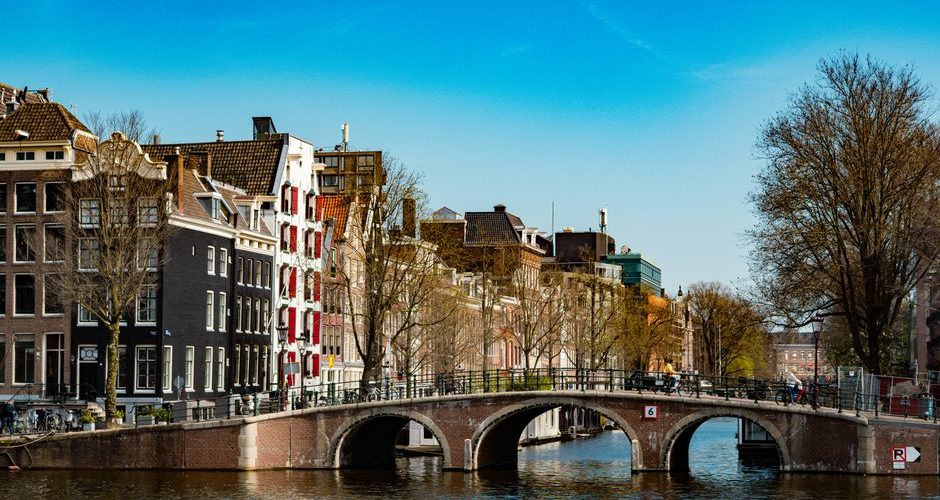
You land in Paris expecting quiet streets, then discover a school group blocking the Louvre entrance and a two-hour queue at the Eiffel Tower. March can be excellent for Europe, but only if you build the route around crowd patterns, daylight, weather, and rail time.
The clear winner is a north-to-south loop with three or four cities, not a frantic six-country checklist. You get lower demand, better hotel choice, and enough breathing room to see famous places without treating every morning like a race.
Is March actually less crowded in Europe?
Where the crowd drop is real
March sits between winter travel and the Easter rush in much of Europe. That gap matters. Paris, Amsterdam, Brussels, and Berlin usually feel easier on ordinary weekdays than they do from late April through September. Popular museums still attract visitors, but the pressure often moves from “book weeks ahead” to “book a few days ahead.” That is a useful difference.
The quietest windows usually fall from the first Monday in March through the week before school holidays begin. Fridays and Saturdays remain busy in central districts, especially around major landmarks. A famous square may look calm at 8 a.m. and packed by 11 a.m., so “March is quiet” does not mean every hour is quiet.
What March does not fix
March will not remove queues at the Louvre, Anne Frank House, Vatican Museums, or the Colosseum. Those places have limited capacity, strong demand, and timed entry systems. Book them before you arrive.
Weather also changes the crowd calculation. A cold, wet day can make outdoor sightseeing unpleasant, while a sunny Saturday can bring a sudden rush of local visitors. My verdict is simple: March gives you a better baseline, but early starts and timed bookings still matter. The month rewards travelers who plan the key stops and leave the rest flexible.
Which classic European loop works best in March?
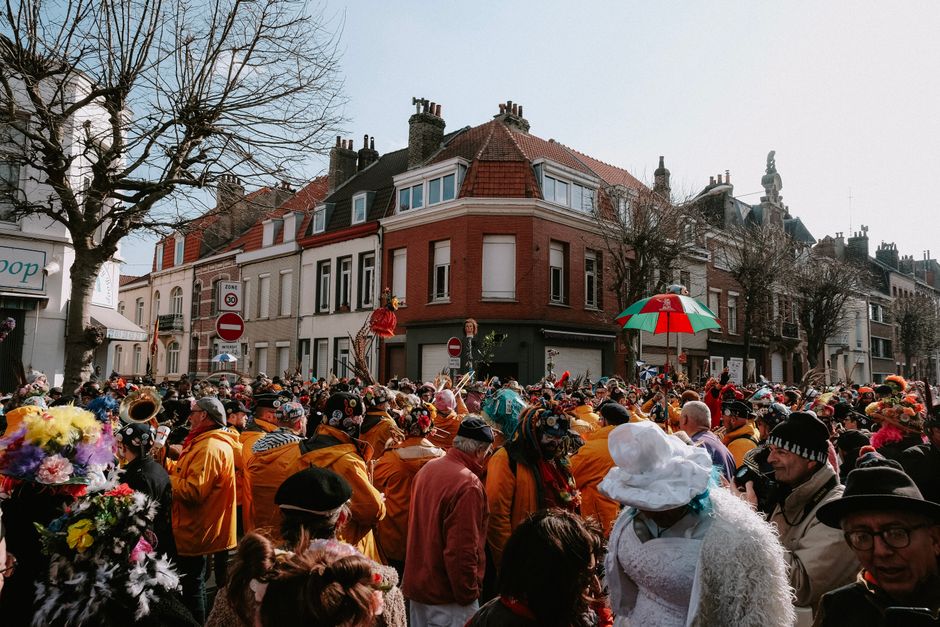
Choose the route with short jumps
My pick for a first March trip is Paris, Brussels, Amsterdam, and Berlin. The cities connect well by train, each has a distinct identity, and the route does not depend on perfect beach weather or long daylight. Paris supplies major art and architecture. Brussels works as a compact food-and-history stop. Amsterdam delivers canals and museums. Berlin adds large indoor attractions, strong public transport, and a different visual rhythm.
Use this structure when you want variety without spending half the trip in transit:
| City | Recommended nights | Best March focus | Rail time to next stop |
|---|---|---|---|
| Paris | 4 | Museums, neighborhoods, food markets | 1 hour 25 minutes to Brussels |
| Brussels | 2 | Grand Place, beer culture, day-trip option | 1 hour 50 minutes to Amsterdam |
| Amsterdam | 3 | Museums, canals, Jordaan streets | 6 hours 20 minutes to Berlin |
| Berlin | 4 | History, galleries, indoor markets | Departure city |
When to choose a southern loop
Pick Rome, Florence, and Bologna if outdoor dining and warmer afternoons matter more than low fares. Rome can feel much busier around Easter, so check the calendar before locking the dates. Florence works well for art-heavy days, while Bologna gives you a smaller, easier food stop between major attractions.
Why I would skip a six-city route
Adding London, Prague, Vienna, or Barcelona may look efficient on a map, but the transfers consume the benefit of shoulder-season travel. Every hotel change costs more than the train ride: packing, checkout, station time, arrival navigation, and lost evening energy. Four cities in eleven to thirteen nights is the sweet spot. My verdict: use the Paris–Brussels–Amsterdam–Berlin loop for the best balance of famous sights, short rail legs, and March-friendly indoor options.
What transport solution makes a March city loop easier?

Use point-to-point rail for three or four cities
For the Paris–Brussels–Amsterdam–Berlin route, high-speed and intercity rail is the practical backbone. The key benefit is not romance. It is city-center access. You leave from a central station, avoid airport transfers, and arrive close to the neighborhoods you actually want to explore. Short rail days also make March weather less dangerous to the schedule.
Book the main cross-border legs first, then fill the small movements around them. Paris to Brussels and Brussels to Amsterdam are short enough to preserve most of the day. Amsterdam to Berlin is the long leg, so put it after a lighter evening and avoid scheduling a timed museum on arrival day.
When the Eurail Global Pass earns its place
The Eurail Global Pass is the cleanest option if you want to change the route after arrival or add a side trip. Its flexible versions include set numbers of travel days within a longer validity period, such as four travel days in one month. That format suits a four-city route when you want freedom for weather changes. It does not mean every train is free of extra planning; some high-speed and international trains still require seat reservations.
Buy the pass for flexibility, not because every journey will cost less. Compare the pass price with advance point-to-point fares before paying. If your dates are fixed and the route has only three or four major rail days, individual tickets can win. If you want to add Cologne, Rotterdam, or a last-minute detour, the Eurail Global Pass becomes the better tool.
Do not confuse transport flexibility with attraction access
A rail pass does not reserve the Louvre, Anne Frank House, or a restaurant at peak dinner time. It solves movement between cities. It does not solve limited entry. My verdict: use point-to-point tickets for a fixed four-city plan, and choose the Eurail Global Pass when weather, side trips, or uncertain dates are central to the trip. The pass is a planning product, not a magic discount.
Which mistakes make March feel crowded and expensive?

The worst mistake is treating shoulder season like empty season
My strongest advice: never build a March trip around the idea that you can book everything after landing. That works for a quiet regional town. It fails in Paris, Amsterdam, and Rome.
- Booking only weekend nights. Hotel rates and restaurant demand rise sharply from Friday to Sunday in popular districts.
- Scheduling the biggest museum on arrival day. A delayed train can turn a prepaid timed entry into a lost ticket.
- Choosing a distant hotel to save a small amount. A 25-minute tram ride each way adds hours across four days and weakens early starts.
- Ignoring school holidays and Easter dates. Local demand can overwhelm the normal March crowd pattern.
- Planning outdoor attractions back-to-back. One wet morning can damage two days of plans if no indoor substitute exists.
- Changing cities every one or two nights. The route looks impressive online and feels exhausting in real life.
When not to use the classic loop
Skip the four-city loop if you hate changing hotels, want warm evenings, or have fewer than eight nights. Choose one base instead. Paris alone can fill five nights, and Amsterdam plus nearby towns can fill four. A single base also gives you a better chance of finding a good apartment, learning a neighborhood, and adjusting plans around rain.
Do not buy the Osprey Farpoint 40 simply because it is a popular travel pack. Its 40-liter capacity is useful for rail travel, but a smaller 30-liter bag is better if you plan to walk all day and pack light. Gear does not rescue an overloaded itinerary. The verdict: remove a city before removing sleep, and remove luggage before removing flexibility.
What is the best March Europe itinerary for most travelers?
My recommended route
Take four nights in Paris, two in Brussels, three in Amsterdam, and four in Berlin. Travel south to north only if your arrival and departure flights make that cleaner; direction matters less than avoiding backtracking. Put the long Amsterdam-to-Berlin train between two flexible days. Reserve the Louvre, Anne Frank House, and the most popular Berlin museum before departure. Leave at least one unscheduled half-day in every city.
This route works because it solves the real problem: travelers want famous Europe without spending the whole trip in crowds or transit. It gives you major landmarks, distinctive food scenes, strong indoor backups, and rail legs short enough to protect the day. It also leaves room to drop one stop if the weather turns foul.
Who should choose a slower trip
Choose Paris plus Amsterdam if you have seven nights. Choose Rome plus Florence if you care most about ancient sites, Renaissance art, and warmer afternoons. Choose Berlin plus Prague if museums, nightlife, and lower daily costs matter more than classic western Europe. The right alternative is the one that removes a transfer, not the one that adds another famous name.
For most first-time visitors in March 2026, my clear recommendation is the four-city Paris–Brussels–Amsterdam–Berlin loop with three or more nights in each major city, early timed entries, and rail booked around daylight. Use point-to-point tickets when your dates are fixed; choose the Eurail Global Pass only when you need route flexibility. That is the combination most likely to deliver fewer crowds without turning the trip into a cold, wet race between stations.