July Carry-On Refresh for Europe Hops: What to Remove
07/01/2026
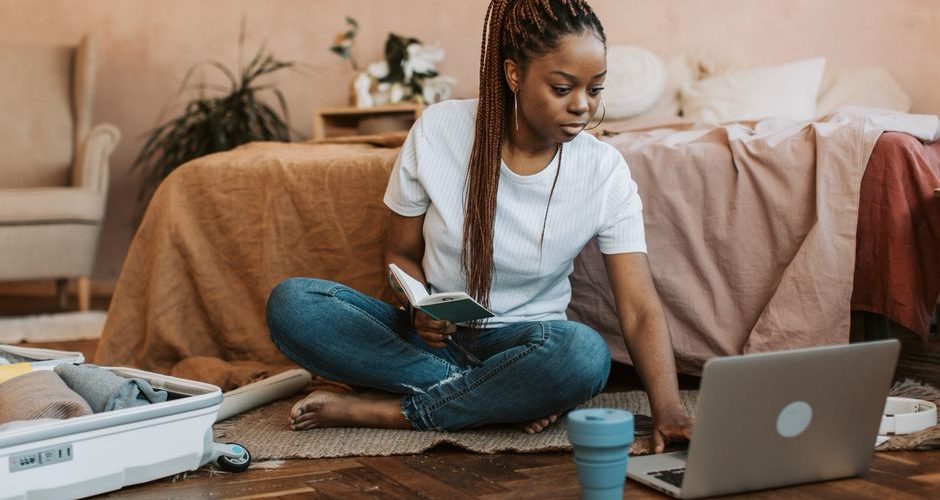
My strongest July packing advice is simple: remove anything that solves a problem you probably will not have. Short European flights reward a small, flexible bag, not a portable apartment. Cut duplicate clothes, full-size liquids, backup electronics, heavy shoes, and “just in case” comfort items before you leave home.
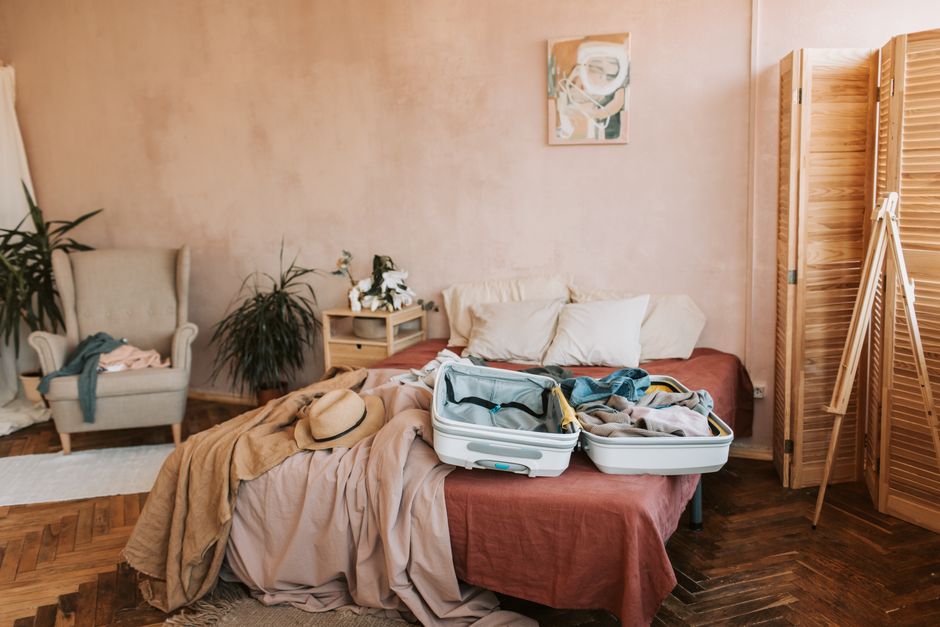
Use a 20-minute purge before you leave
Minute 1 to 5: remove duplicates
- Take out every shirt, bottom, and undergarment.
- Build two complete outfits on the bed, including the clothes you will wear during the flight.
- Add one spare top, one extra undergarment per travel day up to three days, and one thin layer.
- Remove duplicate colors and anything that only works with one other item.
For a long weekend, I usually take three tops, two bottoms, four pairs of underwear, four pairs of socks, sleepwear, and one light layer. The clothes should create at least five combinations. If one shirt needs special shoes, special weather, or a special dinner before it becomes useful, it is not earning its place.
Minute 6 to 12: attack liquids and cables
- Put every liquid, cream, aerosol, and gel on the counter.
- Keep only the amount needed for the trip, not the amount in the original bottle.
- Remove duplicate charging cables and old adapters.
- Pack one charging setup that covers your phone and the one other device you will use.
Do not carry a full bottle of shampoo, a backup sunscreen, two moisturizers, and three “emergency” cosmetic products for a four-day city trip. Decant what you need or buy a small replacement after arrival. For electronics, a cable that has not been used in the last month is usually a cable that will stay untouched during the trip.
Minute 13 to 20: test the bag at the door
- Close every zipper without sitting on the bag.
- Lift it with one hand for 30 seconds.
- Walk up and down stairs with it.
- Remove anything that shifts, rattles, or blocks your passport pocket.
- Take a photo of the final contents before leaving.
The final test catches a mistake that scales never show: an awkward bag is exhausting even when it is technically light. If you cannot lift it smoothly from a train floor to an overhead rack, remove one more item. That last cut usually comes from the “maybe” pile, and it often makes the whole trip easier.
Keep one compact system for power, sleep, and comfort
The carry-on bags worth keeping
My clear bag pick for most Europe hops is the Osprey Daylite Expandable Travel Pack 26+6. It gives you 26 litres in its normal shape and expands to 32 litres when the return trip includes food, clothes, or a small purchase. That expansion is more useful than starting with a huge bag that encourages overpacking.
If you need a clamshell opening and a little more structure, the Patagonia Black Hole Mini MLC 30L is the better choice. Its 30-litre capacity and suitcase-style opening make it easy to separate clothing from electronics. It is heavier and more expensive than a basic daypack, so I would not buy it for a two-night trip unless you value organization more than low weight.
| Item | Useful specification | Keep it when | Remove or skip it when |
|---|---|---|---|
| Osprey Daylite Expandable Travel Pack 26+6 | 26L, expanding to 32L | You want one flexible personal travel bag | Your airline allows only a very small under-seat item |
| Patagonia Black Hole Mini MLC 30L | 30L clamshell travel pack | You need structured packing for several city stops | You are trying to keep the bag under daypack weight |
| Cotopaxi Allpa 35L | 35L with suitcase-style opening | You are carrying a full week of clothing | Your itinerary includes strict low-cost airline sizing |
| Nitecore NB10000 Gen 3 | 10,000mAh, about 150g | You spend long days away from outlets | You can charge at the hotel and carry only a phone |
| Sea to Summit Ultra-Sil Day Pack | 20L, about 72g | You need a tiny day bag at your destination | You already have a comfortable personal item |
The small items that earn their space
The Nitecore NB10000 Gen 3 is my choice for a power bank because 10,000mAh covers a full day of maps, tickets, photos, and messages without the bulk of a larger battery. Do not pack a power bank if you know you will return to your hotel every afternoon and your phone battery is healthy. That is a real case where buying nothing is the better choice.
For a second bag, the Sea to Summit Ultra-Sil Day Pack makes sense because its 20-litre capacity weighs roughly 72g. It gives you a destination bag without turning the main carry-on into a pile of loose totes. The tradeoff is comfort: it is a lightweight sack, not a padded commuter backpack.
The Cotopaxi Allpa 35L is the right answer for a week of mixed weather, but it is too much bag for a quick Milan–Zurich hop. More capacity does not create more discipline. It creates room for a second jacket, extra shoes, and the exact items this refresh is meant to remove.
What to cut when security or heat exposes a bad pack
What should leave the bag before airport security?
Start with liquids that are too large, half-used, or easy to replace. Check the departure airport before flying because local screening instructions can affect how quickly you move through security.
Remove metal grooming tools you do not need, full drink bottles, loose snacks that will melt, and any blade or multitool that you forgot was in a side pocket. A five-minute pocket check at home beats an argument at the screening tray.
What becomes annoying in July?
Heavy cotton, dark synthetic layers, and shoes that cannot breathe. They absorb sweat, dry slowly, and make you reach for another outfit. A jacket that is comfortable at home can feel ridiculous after a hot walk from a station to an apartment.
Also cut the “comfort” items that create more friction than relief: a thick neck pillow, a bulky travel blanket, a hard case for every cable, and a full-size water bottle. Use the airport fountain after security or buy a light bottle at your destination. The aim is not to travel without comfort. It is to choose comfort that folds, compresses, or serves two jobs.
When should you keep the supposedly unnecessary item?
Keep medication, prescription documents, glasses, a basic first-aid item, and a layer that protects you from cold air conditioning. These are not clutter. They prevent expensive or stressful replacements. The best purge removes low-consequence duplicates while protecting the few items that would be hard to replace in transit.
Run one final test before the door closes

My final verdict: a good July carry-on should look slightly underpacked. That empty space is not wasted capacity. It is room for food on a train, a damp shirt after a hot walk, or a small purchase that would otherwise become a plastic bag in your hand.
The five checks I never skip
- Passport, wallet, phone, medication, and keys are in one reachable pocket.
- The bag fits the airline’s published cabin or personal-item dimensions for every flight on the itinerary.
- Liquids are separated and easy to remove.
- One outfit can be washed and dried without delaying the trip.
- The bag can be lifted, carried, and opened without help.
Then wear the heaviest acceptable shoes and the layer you would otherwise pack. Put the charger and headphones in the outside pocket. Everything else should have a clear place inside the bag, not a loose pocket that you will forget until security asks you to unpack it.
What the refresh should leave you with
You should finish with a small wardrobe, one reliable charging setup, one practical day bag if you truly need it, and enough empty room to move through Europe without fighting your luggage. You do not need a new organizer to make that happen. You need fewer decisions and fewer objects.
Airlines will keep tightening the gap between a free personal item and a paid cabin bag, while summer travel keeps getting hotter and more crowded. The useful carry-on of the future will not be the biggest one. It will be the lightest bag that still handles real travel without making you buy back the items you removed.