A day trip to Luxor
01/17/2024
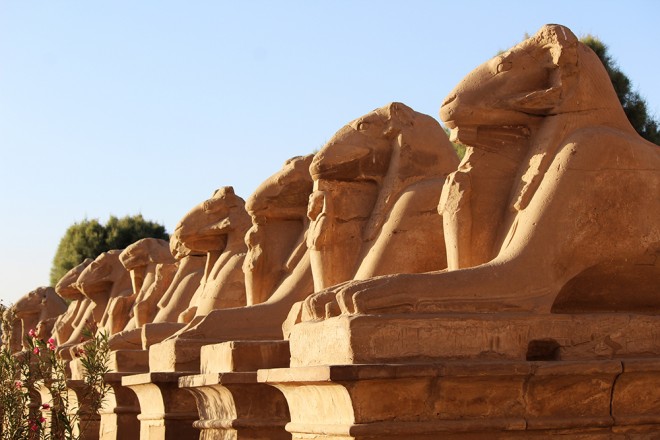
Look, a day trip to Luxor isn’t a casual stroll. It’s an intense sprint through millennia of history. Get it wrong, and you’re just another tourist baking in the sun, stressed and underwhelmed. Get it right, and it’s an unforgettable, albeit exhausting, experience. This isn’t a leisure cruise; it’s a mission.
Should You Even Attempt a Day Trip to Luxor?
Yes. But only if you’re ruthless with your time and clear on your priorities. Luxor is arguably the world’s largest open-air museum. You cannot, under any circumstances, see everything in a single day. People spend weeks there. Your goal is a curated, high-impact hit list, not a comprehensive survey. If you expect to leisurely explore every tomb and temple, stay longer. If you want the essential highlights, a day trip is absolutely doable, but it requires military-grade planning and unwavering focus.
You need to be realistic about what’s achievable. A day trip isn’t for the faint of heart or those who prefer a relaxed pace. It’s for travelers who want to hit the key attractions, absorb the monumental history, and then move on. If you’re coming from a distant city like Cairo or even a nearby one like Hurghada, every minute counts. Don’t waste it.
The Time Commitment: 12+ Hours is Standard
Understand the logistics: Luxor isn’t next door. If you’re coming from Hurghada, expect 4-5 hours each way by car. From Cairo, it’s a flight, which means airport transfers, check-ins, and the flight itself – easily 6-8 hours just in travel time. This isn’t a ‘pop over after breakfast’ situation. You will be up before dawn and back well after dark. Factor in at least 12-16 hours door-to-door, depending on your origin city. That early alarm clock is non-negotiable. You’ll be tired, but it’s the only way.
Prioritizing Sites: You Can’t See Everything
Forget the wish list. You have maybe 6-8 hours on the ground for actual sightseeing. That means picking three, maybe four, absolute must-sees. Don’t try to cram in the Luxor Museum, the Mummification Museum, a felucca ride, and every single temple. It’s a recipe for exhaustion and disappointment. Focus on the big hitters. We’ll get to those, but be prepared to make tough choices. This isn’t about volume; it’s about impact. Stick to the absolute essentials to maximize your limited time.
Getting There: Private Driver vs. Group Tour vs. Train
This is where most people screw up. Your transport choice dictates your entire day’s flexibility, comfort, and sanity. Don’t cheap out here; it will cost you in lost time and missed experiences. There are three main options, and only two are truly viable for a day trip from most locations. Choose wisely; this decision makes or breaks your Luxor visit.
| Option | Cost (Approx.) | Flexibility | Speed | Comfort |
|---|---|---|---|---|
| Private Driver | High ($150-300+ USD) | Excellent | Fastest | High |
| Small Group Tour | Medium ($70-150 USD) | Limited | Medium | Medium |
| Train (from Cairo/Aswan) | Low ($20-50 USD) | None | Slowest | Low (day trip) |
The Case for a Private Driver
If you’re coming from Hurghada or Safaga, a private car with a reputable driver is your best bet. Yes, it’s more expensive, but the return on investment is priceless. You control your schedule, your stops, and your pace. Want to leave at 5 AM? You do it. Want an extra 30 minutes at Karnak? You got it. The driver handles the navigation, the bad roads, and the persistent hawkers. This means less stress for you, more time at the actual sites, and a far more efficient day. Confirm the car is modern, air-conditioned, and the driver is experienced with long-distance tourist routes. Don’t just grab any taxi off the street for this journey; book through a trusted agency.
Why the Train is a Mistake for Day Trips
Forget the train if you’re attempting a day trip. Especially from Cairo. The overnight sleeper train is fine for multi-day trips, but the daytime schedules are erratic, slow, and unreliable. A typical day train from Cairo to Luxor takes 10-12 hours, sometimes more. That’s 20-24 hours just on a train. Add local transport in Luxor, and you’ve spent three times longer traveling than sightseeing. It simply doesn’t work for a single day. From Aswan, it’s closer, but still severely restricts your on-the-ground time. Unless you enjoy staring out a window for half a day, avoid it for a day trip; your time is too valuable.
Essential Sites: What’s Non-Negotiable?
You have limited time. Focus on the sites that deliver the biggest impact. These are the places that define Luxor and Ancient Egypt. You cannot afford to skip these, but you also cannot afford to linger indefinitely. Move with purpose, but don’t rush through the awe-inspiring grandeur. Pick your battles wisely to get the most out of your visit.
- Karnak Temple Complex: This is the largest ancient religious site in the world. It’s massive. You need at least 2-3 hours here. The sheer scale, intricate carvings, and preservation are staggering.
- Valley of the Kings: The burial ground of pharaohs for nearly 500 years. You get to enter three tombs with a standard ticket. Choose wisely based on recommendations for vibrant colors.
- Temple of Hatshepsut (Deir el-Bahari): A unique terraced temple dedicated to Egypt’s most famous female pharaoh. Its modern, almost art deco design, set against the cliffs, is visually distinct and impressive.
- Optional: Luxor Temple: If you have time and energy, it’s beautiful, especially at sunset/night. However, if you’re pressed for time, Karnak offers a more comprehensive temple experience, and Luxor Temple can be skipped without major regret on a day trip.
Karnak Temple: The Scale Demands Time
Karnak isn’t just a temple; it’s a sprawling complex built over two millennia, constantly expanded by successive pharaohs. The Great Hypostyle Hall, with its 134 massive columns, is an absolute must-see. You will feel small. You will be amazed. Allocate a minimum of two hours here, pushing to three if time allows. If you rush it, you’ll miss the details, the towering obelisks, the Sacred Lake, and the intricate reliefs. Resist the urge to just snap a photo and move on. Walk through it, absorb the history, and let the sheer monumental scale wash over you. This is where a good guide truly earns their pay, bringing context to the chaos.
Valley of the Kings: Tomb Selection Matters
Your standard ticket to the Valley of the Kings allows entry into three tombs. Don’t waste your precious time debating which ones. Focus on those with well-preserved colors and intricate details. Tombs like Ramesses IV, Ramesses IX, and Merenptah are usually excellent choices for their vibrant scenes and detailed hieroglyphs. These offer the best visual reward for your limited time. Avoid the temptation to pay extra for Tutankhamun’s tomb unless seeing his mummy is your absolute priority; the tomb itself is small and relatively unadorned compared to others, and the extra cost is often not justified for a day-tripper. Set a timer for each tomb; 15-20 minutes is sufficient for most to appreciate the artistry without burning out. It’s a lot of steps and climbing, so conserve your energy.
How to Beat the Heat and the Crowds
Luxor is hot. Brutally hot, for most of the year. And popular sites attract crowds. Ignoring these two factors guarantees a miserable experience. You need a strategy to mitigate both. This isn’t a suggestion; it’s survival advice. Seriously, this is critical. Many tourists show up unprepared, and their day is ruined before noon.
First, understand that the sun is an enemy, not a friend. Direct sunlight exposure between 10 AM and 3 PM is genuinely debilitating. Temperatures often soar past 40°C (104°F) in the summer months (June-August). Even in winter (December-February), it’s a warm 25-30°C (77-86°F) and the sun is intense. You will be walking extensively on unshaded archaeological sites. There’s minimal relief. Hydration and sun protection are . Many tourists underestimate this, ending up dizzy, dehydrated, nauseous, and unable to enjoy the wonders around them. This is the biggest mistake you can make; don’t be that person who needs medical attention because you thought a small water bottle was enough.
Early Mornings Are Your Only Friend
You need to be at the first site (Karnak or Valley of the Kings, depending on your itinerary) right when it opens. That means aiming to arrive by 6:00 AM or 6:30 AM. Not only is the temperature significantly cooler and more bearable, but the crowds are also thinner. Tour buses typically start rolling in around 8:00 AM, bringing hundreds of people. Those two hours of relative solitude and comfortable temperatures are your golden window. Use them efficiently. If you arrive later, you’re just adding to the congestion, battling for views, and suffering through the worst of the heat. Get up early, period.
Hydration Isn’t a Suggestion, It’s a Command
Carry at least 2-3 liters of water per person. Not a small bottle from your hotel. Big ones. You will drink it all. And then you’ll want more. Electrolyte packets or tablets are also a smart move to replenish essential salts lost through sweating. Don’t wait until you’re thirsty; sip continuously throughout the day. Wear a wide-brimmed hat, good quality sunglasses, and lightweight, loose-fitting clothing that covers your skin (linen or cotton are best). Sunscreen is also essential, but it’s a supplement, not a replacement for physical shade or covering up. Look for shade whenever possible, even if it’s just for a minute or two of relief. Ignoring this will lead to headaches, fatigue, and potential heatstroke. It’s not a joke.
Finding Respite: Lunch and Shade
Plan your lunch break strategically. Don’t eat at the site cafeterias; they’re overpriced, mediocre, and often lack decent air conditioning. Your driver or guide can take you to a local restaurant with air conditioning and decent, authentic Egyptian food. This isn’t just for sustenance; it’s a crucial break from the sun and constant walking. Use this time to recharge, hydrate further, and cool down before hitting your final site. A 60-90 minute break in the middle of the day can salvage your afternoon energy levels and prevent total exhaustion. Don’t skip it.
Guides: Do You Actually Need One?
Yes. Absolutely. Unless you’re an Egyptologist yourself, you need a good guide. These sites are rich with history, symbolism, and pharaonic politics that you simply won’t grasp by reading a guidebook. A good guide brings the stones to life, explains the hieroglyphs, and navigates the overwhelming scale. Without one, you’re just looking at old rocks. The value is immense, truly transformative for your understanding and appreciation of these ancient wonders.
Q: Is a licensed Egyptologist worth the cost?
A: Yes, 100%. A licensed Egyptologist is highly trained, often with a university degree in the field. They can explain the complex theology, the historical context, the daily lives of the ancient Egyptians, and the intricate details of the artwork. They know the best angles for photos, the quiet spots, and how to avoid the biggest crowds. Expect to pay extra for their expertise, but consider it an investment. It’s the difference between seeing things and understanding them. If you booked a private driver, they can often arrange a separate Egyptologist guide for the sites themselves, or your tour company will include one. Insist on a licensed one.
Q: What about those ‘local’ guides?
A: Be wary. Many unofficial ‘guides’ will approach you at sites, offering their services cheaply. Some are knowledgeable, but many are not licensed, and their information can be inaccurate or simply made up. They often rush you through to get to the next client or steer you towards souvenir shops where they get a commission. Unless they come highly recommended by a trusted source and can prove their licensing, politely but firmly decline. Stick with verified professionals; your experience depends on it.
Q: How do you find a good one?
A: Your best bet is to book through a reputable tour company or ask your hotel for recommendations for a licensed Egyptologist. Look for guides with strong online reviews, specifically mentioning their depth of knowledge and ability to engage with travelers. When you communicate with them, ask about their experience, their approach to tours, and confirm their licensing details. Good guides are in demand, especially during peak season, so book them well in advance to secure their services. Don’t leave this to chance.
Common Pitfalls That Waste Your Day
Travelers make the same mistakes in Luxor, over and over again. Don’t be one of them. These missteps cost you time, money, and enjoyment. Pay attention to these warnings; they are based on countless tourist regrets.
- Not Booking in Advance: Don’t expect to just show up and wing it. Flights, drivers, and guides need to be booked weeks, sometimes months, ahead, especially during peak travel seasons. Last-minute scrambling wastes valuable time and severely limits your options for quality services.
- Trying to See Too Many Sites: As reiterated, this is the quickest way to burn out, blur your memories, and rush through everything without true appreciation. Less is more. Focus on quality over quantity. Stick to the 3-4 absolute must-sees you prioritized.
- Skipping Lunch or Eating on the Go: You need a proper break from the sun and the mental exertion. Fuel up, rehydrate, and escape the sun. A rushed sandwich in the heat will not cut it; a sit-down meal provides essential respite and energy.
- Wearing Inappropriate Footwear: You’ll walk miles on uneven, dusty, rocky ground with lots of steps. Flip-flops or fashionable sandals are a disaster waiting to happen – blisters, twisted ankles, and just plain discomfort. Wear sturdy, comfortable walking shoes with good support.
- Engaging with Every Hawker: Vendors are persistent and everywhere. A firm but polite "No, thank you" and keeping walking is often the best approach. Don’t make eye contact if you’re not interested, as it can be taken as an invitation to engage. Every interaction takes time away from the sites and can be exhausting.
- Forgetting Small Bills: Have plenty of small Egyptian Pounds (EGP) for tips (baksheesh) for restroom attendants, helpful guards, or small purchases. Breaking a large note for a 5 EGP service is a hassle for everyone involved and can be difficult.
- Ignoring the Sun: This cannot be stressed enough. A small bottle of water, no hat, light clothing that doesn’t cover your skin – these are all recipes for disaster. The Luxor sun is unforgiving. Prepare for it like you’re going into a desert expedition.
The Souvenir Trap: Avoid It
Don’t fall for the souvenir shops near the sites. They’re overpriced, and the quality is often subpar. The items are usually mass-produced and not authentic. If you want souvenirs, ask your guide for recommendations for legitimate shops away from the main tourist drag, or better yet, wait until you’re back in a larger city like Cairo, where you might find better variety and prices. The time spent haggling and shopping is time not spent admiring ancient wonders. Stick to your mission of experiencing history.
Footwear and Clothing: Don’t Be Stupid
This isn’t a fashion show. You need practical, comfortable walking shoes. Think trainers or sturdy walking sandals. Your feet will thank you after hours of walking on rough terrain and climbing in and out of tombs. As for clothing, cover your shoulders and knees out of respect for local customs, and crucially, to protect yourself from the harsh sun. Loose-fitting cotton or linen is ideal; light colors reflect the sun and keep you cooler. This isn’t just about modesty; it’s about comfort and avoiding severe sunburn or heatstroke. Dress smart, not stylish.
The Final Word on Luxor in a Day
A day trip to Luxor is intense. It’s demanding. You will be tired, possibly even completely exhausted by the end of it. But if you plan ruthlessly, prioritize your sites, invest in good transport and a knowledgeable guide, and respect the elements, it is absolutely worth the effort. You’ll return exhausted, but with a head full of incredible history and indelible memories that few places on Earth can offer. Don’t wing it; plan it, and conquer Luxor.