Solo Travel New Zealand Mistakes: Solo Travel New Zealand: 8 Mistakes That Cost You More Than Money
10/06/2026
Most people think solo travel in New Zealand is just a more expensive version of a group trip. That’s wrong. The real cost isn’t the flight or the campervan rental. It’s the mistakes you make when nobody else is there to catch them. A wrong turn on the Milford Road. A hostel booked in the wrong part of Queenstown. A hike started too late because there was no one to say “let’s turn back.”
New Zealand is one of the safest countries on earth for solo travelers. Violent crime is rare. Scams are almost nonexistent. But the country will still punish you — through your wallet, your schedule, and occasionally your body — if you treat it like a theme park. This guide covers the eight mistakes that actually cause problems, with specific numbers and routes.
1. Treating Queenstown as a Budget Backpacker Hub
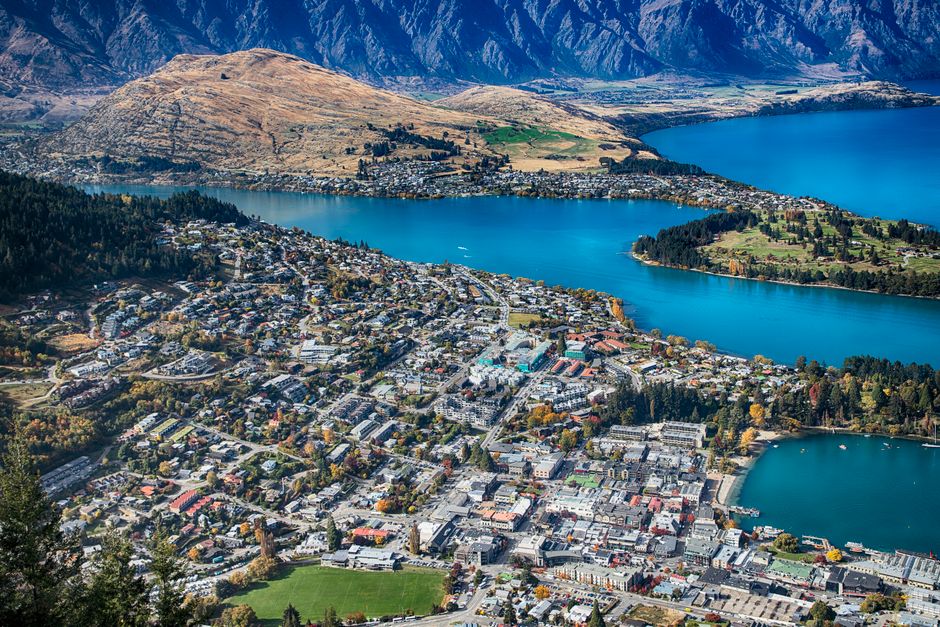
Queenstown is where solo travelers go to hemorrhage money. A dorm bed at the YHA Queenstown Lakefront runs $45–55 NZD per night in peak season. A burger at Fergburger is $16–20 NZD. A bungy jump at Kawarau Bridge is $265 NZD. Do three activities in Queenstown and you’ve spent what a week costs in the North Island.
Here’s the thing: Queenstown is not a backpacker town anymore. It’s an adventure tourism machine built for people on two-week holidays with disposable income. Solo travelers on long trips get sucked in because everyone says “you have to go.” You don’t have to go for five days. You can go for two.
Stay in nearby Frankton or Arrowtown instead. The Nomads Queenstown is central but loud and $38–50 NZD for a dorm. The Adventure Queenstown Hostel is slightly cheaper but books out weeks ahead. If you’re driving, camp at the Twelve Mile Delta DOC campsite ($15 NZD per night) and drive in for the day. You’ll save $30–40 NZD per night just by sleeping 15 minutes outside town.
Bottom line: Queenstown is worth seeing, not worth living in. Budget two nights max, do one paid activity, and move on.
2. Underestimating How Fast Weather Changes on Alpine Roads
This is the mistake that kills people. Not metaphorically. Literally.
The road to Milford Sound is 120 km from Te Anau and takes about two hours without stops. In summer, people drive it in shorts and sandals. In winter, the same road can be closed by avalanche risk, ice, or landslides with less than an hour’s notice. The Homer Tunnel is single-lane and unlit. The descent into Milford has a 10% grade with sharp switchbacks.
If you’re renting a car, check the NZ Transport Agency Waka Kotahi website before you leave. Not the day before. The morning of. The road status changes fast. If it says chains required, and you don’t know how to fit chains, do not go. The InterCity bus to Milford runs year-round and the driver handles all of this for you. A return ticket from Queenstown is around $120–140 NZD. That’s cheaper than a tow truck.
Same rule applies to Arthur’s Pass, the Crown Range Road, and the Desert Road on the North Island. New Zealand weather doesn’t care about your itinerary.
Bottom line: Alpine roads in New Zealand are not scenic drives. They are mountain passes. Check conditions and be willing to cancel.
3. Booking Hostels Without Checking Location
This sounds obvious. It’s not. In Auckland, a “central” hostel can mean a 25-minute walk from the CBD. In Wellington, some hostels listed as “city center” are actually in Newtown or Mount Cook — fine neighborhoods, but not where you want to walk alone at 11pm with a backpack.
Here’s a quick location test for any New Zealand hostel: look at the walking time to the nearest supermarket and the nearest bus stop. If both are over 15 minutes, you’re in the wrong place. A taxi from Auckland Airport to the city is $40–70 NZD. You don’t want to pay that twice because your hostel is in the wrong suburb.
Specific recommendations: In Auckland, stay at Attic Backpackers on Wellesley Street — it’s a 5-minute walk to the Sky Tower and the InterCity bus terminal. In Wellington, the YHA Wellington on Cambridge Terrace is dated but the location is unbeatable. In Christchurch, avoid the hostels near the airport unless you have an early flight. Stay in the CBD near the Bus Interchange.
Bottom line: Location beats price. A $5 cheaper dorm that costs you $20 in bus fares is not cheaper.
4. Renting the Wrong Vehicle for Your Route
New Zealand car rental is cheap until it isn’t. A compact car from Snap Rentals or Ezi Car Rental might cost $25–35 NZD per day. A campervan from Jucy or Spaceships runs $60–120 NZD per day depending on season. The mistake is renting a campervan for a North Island city itinerary, or renting a tiny car for a South Island mountain route in winter.
Let’s break this down with real numbers.
| Vehicle type | Daily cost (low season) | Best for | Worst for |
|---|---|---|---|
| Compact car (Toyota Corolla, Mazda 2) | $25–35 NZD | City hopping, short trips, summer driving | Winter alpine passes, sleeping in |
| Campervan (Jucy Chaser, Spaceships Beta) | $60–90 NZD | South Island road trips, freedom camping | Auckland city center parking, short stays |
| 4WD SUV (Toyota RAV4, Mitsubishi Outlander) | $70–110 NZD | Winter South Island, gravel roads, ski fields | Budget trips, fuel economy |
If you’re doing Auckland to Wellington over two weeks, a small car is fine. If you’re doing Christchurch to Queenstown via the West Coast in June, you need something with more clearance and possibly chains. The Jucy Chaser is a converted Toyota Estima — fine for summer, sketchy on ice.
Also check the insurance excess. Most rental companies in New Zealand have a standard excess of $3,000–5,000 NZD. You can reduce it to $0 for $20–30 NZD per day. Pay for the reduction. One stone chip on the Milford Road and you’ll understand why.
Bottom line: Match the vehicle to the season and route, not to the Instagram photo.
5. Assuming Freedom Camping Means Free Camping
Freedom camping in New Zealand is not free. It’s regulated, restricted, and increasingly expensive if you get it wrong. The Freedom Camping Act 2011 gives councils the power to issue $200–400 NZD instant fines. Some councils, like Queenstown Lakes District, have bylaw officers who patrol known camping spots at night.
The rule is simple: if you’re in a non-self-contained vehicle (no fixed toilet), you cannot freedom camp in most areas. Period. A Jucy Chaser without a toilet certificate is not self-contained. A van with a bucket and a curtain is not self-contained. The certification matters, not your setup.
DOC campsites are the actual budget option. They cost $8–15 NZD per person per night and are located in some of the most beautiful places in the country — Lake Pukaki, Glenorchy, the Catlins. You get a long-drop toilet and maybe a shelter. That’s it. But it’s legal, cheap, and you won’t get a knock on the window at 2am.
Use the CamperMate app. It shows every legal campsite, dump station, and water tap in the country. It works offline. Download it before you arrive.
Bottom line: Freedom camping fines are a tax on not doing your homework. Use DOC campsites or pay for a holiday park.
6. Hiking Alone Without Telling Anyone Your Route
This is the failure mode that turns a bad day into a search and rescue operation. New Zealand search and rescue is free, but that doesn’t mean you want to use it. The Tongariro Alpine Crossing is a 19.4 km day hike that crosses active volcanic terrain. In summer, 3,000 people a day do it. In winter, it requires crampons, an ice axe, and alpine experience. People still attempt it in sneakers.
If you’re hiking alone, use the Plan My Walk app from the New Zealand Mountain Safety Council. It lets you create a trip plan and share it with someone. It also shows track alerts and weather warnings. Or just text someone your route and expected return time. A simple “I’m starting the Routeburn Track at 8am, expect to be out by 4pm, will text you” is enough.
Carry a personal locator beacon if you’re doing anything remote. You can rent one from DOC visitor centers for $15–20 NZD per day. The Garmin inReach Mini 2 costs $650 NZD to buy, but renting is fine for most trips. If you break a leg on the Kepler Track, a PLB is the difference between a helicopter ride and a very long night.
Bottom line: Solo hiking is not the problem. Solo hiking with no plan and no beacon is the problem.
7. Ignoring the InterCity Bus as a Budget Option
Here’s an unpopular opinion: for many solo travelers, the bus is better than renting a car. The InterCity network covers nearly every town a tourist wants to visit. A FlexiPass costs $130–200 NZD depending on how many hours you buy. A single trip from Auckland to Wellington is around $50–70 NZD. That’s less than the fuel cost for a car, never mind rental and insurance.
The tradeoff is flexibility. You’re on a schedule. You can’t pull over for a photo. But if you’re on a long trip and not in a hurry, the bus is the cheapest way to cover distance. The InterCity buses have Wi-Fi (unreliable), toilets (functional), and drivers who know the roads better than you do.
For the South Island, the InterCity and Atomic Shuttles cover the main routes. A Queenstown to Christchurch bus via Lake Tekapo is around $60–80 NZD. You get the same views as a car, minus the stress of driving on the left side of a winding mountain road.
Bottom line: If you’re solo and staying in hostels, the bus is often cheaper and safer than a rental car. Don’t rent a car just because everyone else does.
8. Not Budgeting for the Small Costs That Add Up
The big costs — flights, campervan, activities — are easy to plan for. The small costs are what break a solo budget. A coffee in New Zealand is $5.50–7 NZD. A hostel laundry load is $4–6 NZD. A SIM card from Spark or One NZ is $40–60 NZD for 30 days of data. Parking in central Auckland is $4–8 NZD per hour.
Over a month, these small costs add up to $300–500 NZD. That’s a bungy jump. That’s a Milford Sound cruise. That’s a week of food.
Here’s a realistic daily budget for a solo traveler in New Zealand in 2026:
- Dorm bed: $30–45 NZD
- Food (self-catered): $15–25 NZD
- Transport (bus or shared fuel): $10–20 NZD
- Activities (averaged): $10–30 NZD
- Misc (laundry, coffee, SIM): $5–10 NZD
Total: $70–130 NZD per day. That’s the honest range. You can do it for less by camping and cooking every meal. You can do it for a lot more by eating out and doing paid activities every day. But plan for the middle of that range, not the bottom.
Bottom line: New Zealand is not a cheap destination. Budget $100 NZD per day as a baseline and treat anything less as a bonus.
This is not financial advice. It’s a reality check from someone who has watched solo travelers make every one of these mistakes. The country is safe. The mistakes are avoidable. Go with a plan, check the weather, and don’t try to do everything. New Zealand will still be there next time.