Asia Winter City Walks: Temple Timing Without Rushing
01/14/2026
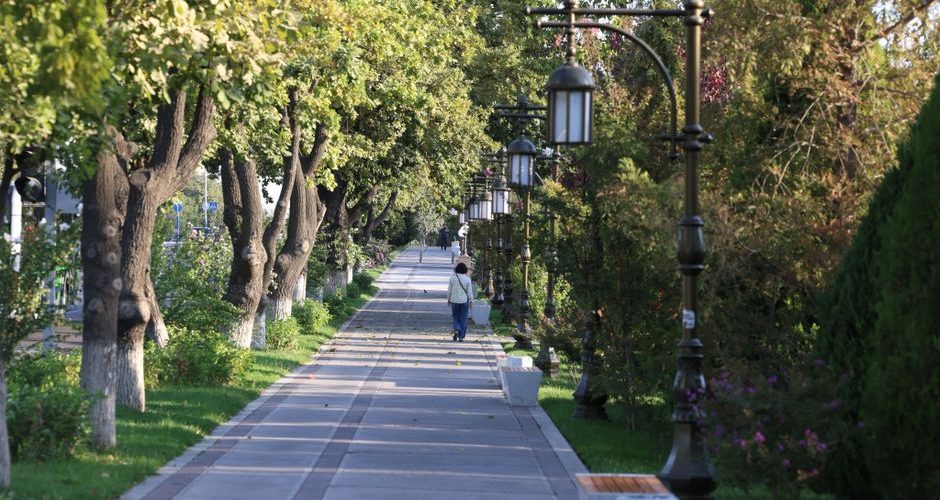
You leave your hotel at 9:00, reach the first temple after a slow breakfast and two train changes, then discover the next site closes earlier than expected. By mid-afternoon, your feet hurt, the light has faded, and the “relaxed” city walk has become a race.
Winter travel across Asia rewards a tighter plan: fewer stops, earlier starts, shorter transfers, and enough indoor time to recover. This is not legal advice — consult a licensed attorney.
Which temple districts combine well with transit?
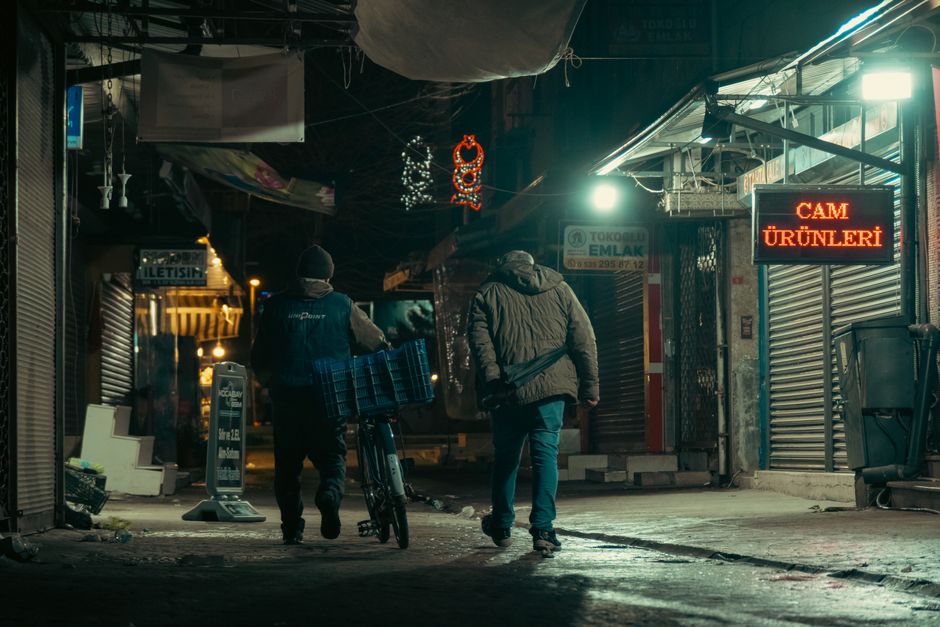
The best city walks group places by geography and atmosphere. Do not combine famous sites simply because they are all famous. Put locations together when the walk between them is pleasant, the transit line is direct, or the second stop provides shelter when the weather changes.
Winter route comparison
| City cluster | Suggested start | Order of stops | Transit rule | Useful time block |
|---|---|---|---|---|
| Kyoto east side | 08:00 near Kiyomizu-dera | Kiyomizu-dera, Kennin-ji, Yasaka Shrine | Walk downhill; avoid crossing the city at midday | 08:00–13:00 |
| Seoul old city | 09:00 near Gyeongbokgung | Palace district, Bukchon, Jogyesa | Use short walks and one subway ride only | 09:00–14:00 |
| Tokyo northeast | 08:30 near Nezu Shrine | Nezu Shrine, Yanaka, Ueno, Asakusa | Keep the final stop near a large station | 08:30–15:30 |
| Taipei old town | 08:30 at Longshan Temple | Longshan Temple, Bopiliao, Ximending | Walk between the first three stops; use the MRT later | 08:30–14:00 |
| Bangkok riverside | 08:00 near the Grand Palace | Grand Palace, Wat Pho, Wat Arun | Use the river boat instead of road traffic | 08:00–13:30 |
Choose one anchor district
For a first visit, Kyoto’s eastern temple district is the clearest winner because the route has visual variety and can be walked mostly downhill. Seoul’s palace-and-Bukchon pairing works best for travelers who want architecture, lanes, and cafés rather than a long religious-site circuit. Tokyo’s northeast route offers the most flexible finish: you can stop at Ueno, continue to Asakusa, or end early near a major station.
Bangkok requires the earliest start because heat and road congestion can affect the same route even during the cooler season. Taipei is the easiest option for a low-stress half-day because the old-city stops are close and the MRT gives you a simple escape if rain begins.
How to move between temples without losing the day
My recommendation is to plan movement in blocks, not individual rides. Every extra transfer creates a new chance to miss an entrance window, walk in the wrong direction, or arrive cold and tired. Use the following sequence for any winter temple district.
- Mark the first entrance time. Pick the site that matters most and set a realistic arrival target 20–30 minutes before the expected crowd increase. Check the official opening calendar shortly before departure because weekday closures, ceremonies, and seasonal events can change access.
- Cap the morning at two major stops. Two substantial temples or palaces are enough for most travelers. If the first site takes 90 minutes and the second takes 60 minutes, the morning already includes walking, photographs, toilets, and one short transit leg.
- Use a warm midpoint. Place lunch, a market, a department store, or a museum between outdoor locations. This is not wasted time. It keeps your hands warm, gives your feet a break, and protects the afternoon from a small delay.
- Reserve the final stop for flexibility. The last location should be close to a station, hotel, or taxi road. If the weather worsens, you can shorten the walk without abandoning the whole day.
- Track the return route before sunset. Save the station name and the correct exit in your map app. Large Asian stations can have several exits separated by blocks. The final walk is where tired travelers lose the most time.
When a day pass earns its place
A pass helps when your route crosses the same city several times. It hurts when it encourages unnecessary rides. For a compact temple district, a reloadable transit card or ordinary single fares usually create less pressure. Buy a pass only after you have counted the rides you actually expect to take.
When a walking detour is better
A 15-minute map estimate may hide a pleasant lane, a covered arcade, or a steep staircase. In winter, choose the route with the best surface and the fewest exposed crossings, even when it takes ten minutes longer. The point is not to minimize every minute. It is to avoid spending energy on transfers that add no memorable part of the city.
What should you do when weather or crowds break the plan?

Drop the least distinctive stop first. A crowded schedule becomes manageable as soon as you remove one attraction instead of trying to recover every lost minute. Winter travel rewards a firm decision more than a clever detour.
Cold, rain, and early darkness
Move the next outdoor site earlier if the forecast shows rain after lunch. If the temperature falls sharply, swap a hilltop shrine for a museum, department store, covered market, or tea house close to the current station. In Kyoto, a short indoor break around Gion can protect the later walk to Yasaka. In Seoul, Insadong and Jongno offer warm indoor options near several historic sites. In Tokyo, Ueno gives you museums and cafés close to rail connections.
Pack thin layers rather than one heavy coat. You will move between heated trains, outdoor courtyards, and warm restaurants. A small thermos, touchscreen gloves, and shoes with firm grip matter more than extra sightseeing gear. Wet stone steps and polished temple floors create a real fall risk when you rush.
Crowds, closures, and missed entrances
Do not assume a site is open because it appears on a map. Confirm the official website or local tourism notice on the morning of the visit. Some attractions close one weekday each week, stop entry before the posted closing time, or restrict access during ceremonies. When a temple is unexpectedly closed, stay in the same district and replace it with a street, garden, market, or viewpoint. Crossing the city to rescue the original plan usually costs more time than it returns.
The clear rule is simple: preserve the district, not the checklist. A shorter route in one neighborhood will feel more complete than three disconnected stops reached through cold platforms and traffic.
Which transit cards and apps are useful in 2026?
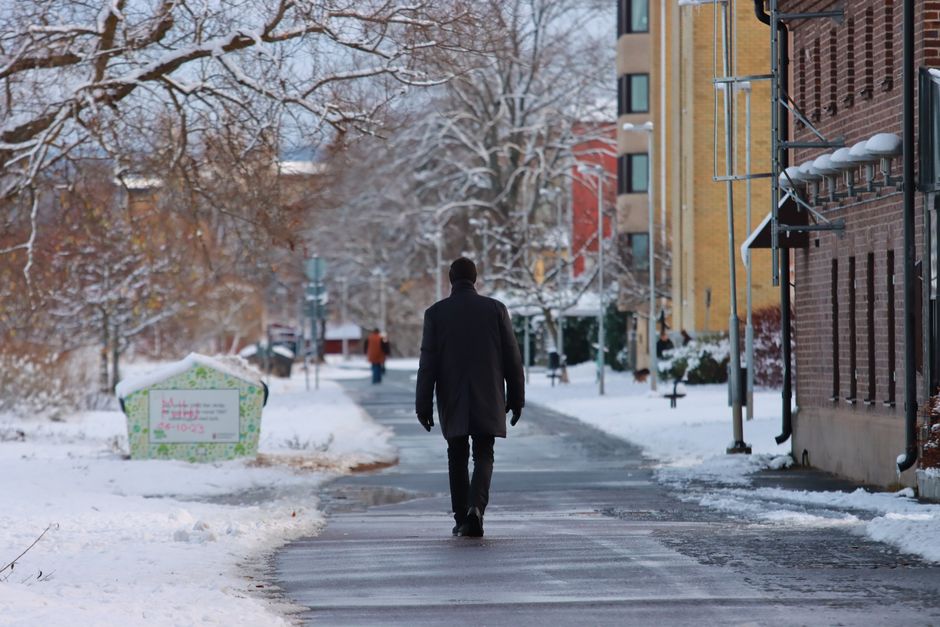
Should you use an IC card in Japan?
For Tokyo, a rechargeable Suica or PASMO is the safest default for ordinary subway, train, and convenience-store payments. In Kansai, ICOCA is a practical choice; JR-West states that ICOCA can be used on participating railways, buses, and stores across several compatible IC-card areas, although it does not replace every long-distance or reserved train ticket. The key benefit is simple: tap in, tap out, and avoid buying a separate ticket for every short ride.
Do not buy an unlimited pass just because the name sounds efficient. If your day contains two walks and three rides, the flexibility of an IC card usually beats a pass. Check the route boundaries first, especially when a journey mixes Tokyo Metro, Toei Subway, JR, and private railways.
When is the Tokyo Subway Ticket worth buying?
The Tokyo Subway Ticket is the strongest pass choice for a dense Tokyo day built around Metro and Toei Subway stations. In 2026, the official options are 24 hours for ¥1,000, 48 hours for ¥1,500, and 72 hours for ¥2,000. They cover Tokyo Metro and Toei Subway lines, not every JR train or private railway. Tokyo Metro says the ticket becomes especially useful when you make at least five subway rides in 24 hours. Check the official Tokyo Metro ticket rules before purchase because eligibility and purchase methods can change.
For Seoul, T-money is the better everyday choice when your plan mixes subway, buses, and short neighborhood walks. It is easier to use for a flexible day than a limited tourist product. Google Maps can help with broad route planning, while Japan Travel by NAVITIME is more useful when you need platform-level rail details in Japan. No app removes the need to check the last train and the correct station exit.
Final comparison for a calm winter day
| Travel situation | Best choice | Reason |
|---|---|---|
| One compact temple district | Walk plus ordinary fares | Fewer transfers and no pressure to ride extra routes |
| Five or more Tokyo subway rides | Tokyo Subway Ticket | 24-, 48-, and 72-hour options cover Tokyo Metro and Toei Subway |
| Mixed Tokyo rail operators | Suica or PASMO | More flexible than a subway-only pass |
| Kyoto rail, bus, and shop payments | ICOCA where accepted | One reloadable card reduces ticket-machine stops |
| Seoul with changing plans | T-money | Useful across ordinary subway and bus journeys |
| Rain or severe cold | Short route near a major station | Creates an easy exit without sacrificing the whole day |