My London findings
11/16/2023
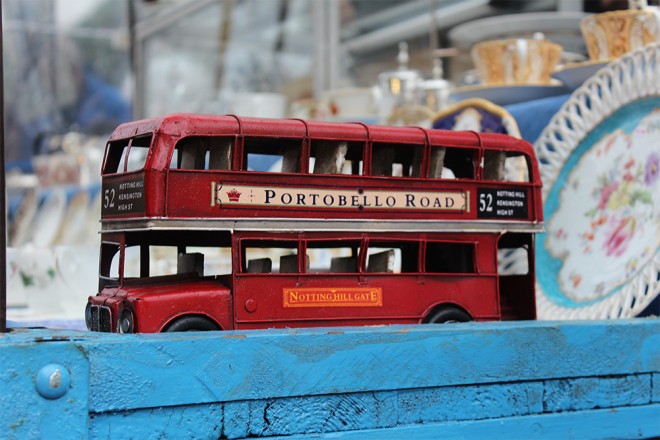
Your London trip starts with smart planning, not just booking flights. Master the local transit and dining scene before you arrive to save hundreds and see more. Forget aimless wandering; every choice from your Tube pass to your lunch spot impacts your experience and wallet. This guide lays out the findings that make London accessible and enjoyable, cutting through the common tourist traps.
Transport Smarts: Choosing Your London Transit Method
Getting around London efficiently saves both time and money. The sheer size of the city means walking everywhere is impractical, but choosing the right transport option can be confusing. Your primary decision revolves around payment: an Oyster Card or direct contactless payment. Both offer capped daily fares, meaning you won’t pay more than a set amount, regardless of how many journeys you make within a single day across various zones.
A critical finding is that for most visitors, especially those with a debit or credit card that supports contactless payments without foreign transaction fees, contactless is the simplest and often cheapest option. You tap your card or phone (Apple Pay, Google Pay) on the yellow reader at the start and end of each journey. The system automatically calculates the lowest fare and applies daily and weekly caps. This eliminates the need to purchase or top-up an Oyster Card, which itself costs £7.00 for the card itself, a non-refundable fee. However, if your bank charges foreign transaction fees, an Oyster Card might be a better choice as you can load it with cash in GBP, avoiding per-transaction charges.
Understanding the differences between the Tube (Underground) and London’s extensive bus network is also key. The Tube is faster for covering long distances, connecting major hubs quickly. Buses, while slower due to traffic, offer a street-level view of the city. For example, taking a Route 11 bus (costs £1.75 per ride, capped) from Victoria Station towards Liverpool Street passes Westminster Abbey, Parliament Square, Trafalgar Square, and St. Paul’s Cathedral. This provides a cheap, informal sightseeing tour. The Tube operates from around 5 AM to midnight, with some lines offering 24-hour service on weekends.
Contactless vs. Oyster Card Costs
| Feature | Contactless Payment | Oyster Card |
|---|---|---|
| Card Cost | £0 (use your own bank card) | £7.00 (non-refundable purchase) |
| Daily Cap (Zones 1-2) | £8.10 | £8.10 |
| Weekly Cap (Zones 1-2) | £40.70 (Monday-Sunday) | £40.70 (Monday-Sunday) |
| Ease of Use | Tap and go, no top-ups | Requires purchase and top-ups |
| Foreign Transaction Fees | May apply (check your bank) | Avoided if loaded with GBP |
Choose contactless if your bank offers fee-free international transactions. Otherwise, an Oyster Card is a reliable backup, especially for longer stays where you can pre-load a substantial amount.
Bus vs. Tube for Scenic Routes
The Tube excels at speed and directness. Use it for quick jumps between major areas like from South Kensington to Covent Garden. A single Tube journey in Zone 1 costs £2.80 peak, £2.70 off-peak. Buses, conversely, are excellent for short hops and sightseeing. A single bus journey costs £1.75 regardless of distance, with a “Hopper Fare” allowing unlimited bus and tram journeys within an hour of tapping in. For a scenic route, consider bus lines 9, 11, 15, or 24. These often cover significant tourist landmarks, offering views you miss underground.
Walking Apps for Efficiency
Never underestimate walking in London. Many major attractions are closer than they appear on a Tube map. Use the Citymapper app (free on iOS/Android) for precise walking directions. It integrates all public transport options and provides estimated walking times, often revealing faster routes than public transport for distances under 1-2 miles. Google Maps also works well, but Citymapper provides superior real-time disruption alerts for the Tube and buses.
Eating Well in London: Finding Value Without the Tourist Tax
London offers an incredible culinary landscape, but navigating it on a budget requires strategy. Avoid the trap of eating directly around major tourist sites like Trafalgar Square or the London Eye, where prices inflate significantly for often mediocre food. Instead, venture a few blocks away or seek out specific types of establishments that consistently deliver value and quality.
A key finding is that understanding the London dining scene means distinguishing between quick bites, casual sit-down meals, and special occasion dining. For everyday sustenance, markets and chain eateries offer reliable and often delicious options. Pubs, particularly during lunch hours, also present excellent value. Don’t fall for the idea that every meal needs to be a Michelin-starred experience; London’s strength lies in its diverse, accessible food culture.
One common mistake is trying to replicate home country cuisine without researching quality. Instead, embrace London’s multicultural food scene. Seek out authentic options from various global cuisines, which are often found in specific neighborhoods. For instance, Brick Lane for Indian food, or Chinatown for East Asian dishes. These areas often have competitive pricing due to high concentration of similar businesses.
Borough Market Tactics
Borough Market, near London Bridge, is a food lover’s paradise. It’s an essential stop for sampling diverse foods, but it can quickly become an expensive indulgence. The trick: go for lunch and share. Many stalls offer generous portions of street food, from gourmet sandwiches to curries and paella, typically priced between £8 and £15. Splitting a few different dishes allows you to taste more without overspending. Arrive early (before noon) on weekdays to avoid the worst crowds. Weekends are bustling, making it harder to navigate and find seating. Look for specific vendors like Horn OK Please for Indian street food or Kappacasein Dairy for grilled cheese. Do not eat at the full-service restaurants within the market unless your budget allows for a higher spend; stick to the takeaway stalls.
Pub Lunches for Authentic Meals
Pubs are a cornerstone of British culture and offer some of London’s best value meals. Many pubs run special lunch deals, often a “pub classic” like fish and chips, a burger, or a Sunday roast for around £10-£15. These meals are typically substantial and well-prepared. Look for independent pubs slightly off the main thoroughfares. For example, The Churchill Arms in Notting Hill or The Eagle in Farringdon are known for good food. Always check the menu displayed outside before committing. Ordering at the bar is standard practice, and service charges are usually not added unless you’re in a more upscale gastropub. A good pint of ale can be had for £5-£7.
Chain Restaurants for Consistent Value
While supporting independent establishments is admirable, some chain restaurants in London offer consistent quality and predictable pricing, which is invaluable for budget travelers. Brands like Wagamama for Japanese-inspired noodles and rice dishes, Pret A Manger for fresh sandwiches and salads, or Leon for healthy fast food provide reliable options. Their prices are transparent, and many have loyalty apps for discounts or free items. For example, Pret A Manger offers a subscription for unlimited hot drinks at £30/month, a great deal for coffee drinkers. These chains are ubiquitous, making them easy to find when hunger strikes without much planning.
The London Pass: A Clear Verdict on Its Value
The London Pass, often marketed as an all-inclusive ticket to over 80 attractions, sounds appealing. However, my finding is that for most casual travelers, it rarely justifies its cost. You need an aggressive sightseeing schedule—visiting at least three major paid attractions per day—for it to be a true financial benefit. Most visitors prefer a more relaxed pace, which quickly makes the pass an overpriced commitment.
Maximizing Museum Visits: Free Entry and Smart Planning
London excels in offering world-class cultural experiences without an entry fee. This is a crucial finding for any budget-conscious traveler. Leverage the city’s numerous free museums and galleries to immerse yourself in history, art, and science without spending a penny. Strategic planning for these visits means you can absorb more culture for less.
A common pitfall is attempting to see everything in one museum in a single visit. These institutions are vast. Decide beforehand which specific exhibits or wings you want to focus on. For instance, at the British Museum, you might prioritize the Rosetta Stone and the Egyptian mummies, rather than trying to cover every gallery. This prevents fatigue and allows for deeper appreciation of your chosen focus areas. Consider a split approach: visit a major museum for a few hours in the morning, then switch to an outdoor activity or another free smaller gallery in the afternoon.
Prioritizing Free Institutions
London boasts an impressive list of free-entry museums and galleries. Make these your primary targets:
- The British Museum: Home to world art and human history artifacts, including the Rosetta Stone and Parthenon sculptures.
- Victoria and Albert Museum (V&A): Focuses on art, design, and performance, with stunning collections from across the globe.
- The National Gallery: Located in Trafalgar Square, showcasing European paintings from the 13th to the 19th centuries.
- Tate Modern: Housed in a former power station, this gallery features international modern and contemporary art.
- Natural History Museum: Famous for its dinosaur exhibits and impressive architecture.
- Science Museum: Interactive exhibits covering scientific and technological advancements.
These institutions are not just free; they are among the best in the world. Plan at least 2-3 hours for each to get a good overview.
Booking Timed Entry
Even for free museums, many now require or strongly recommend booking a timed entry slot online. This helps manage crowds and ensures a smoother experience. For example, the British Museum often requires pre-booked tickets for specific entry times. Always check the official website of your chosen museum a few days before your visit. Arriving without a booking can mean long queues or even being turned away during peak times. This simple step costs nothing but saves significant waiting time.
Exploring Lesser-Known Collections
Beyond the major institutions, London has smaller, equally fascinating free museums. Consider the Sir John Soane’s Museum, a unique house-museum filled with antiquities and art, or the Wallace Collection in Marylebone, an exquisite collection of 18th-century French art, furniture, and armor. These often offer a more intimate viewing experience with fewer crowds. They are excellent alternatives when the larger museums feel overwhelming or too busy. Check their opening hours, as they can be more limited than the larger, national institutions.
Essential Apps and Overlooked Gems for Navigating London
The single most impactful finding for any London visitor is technology for seamless navigation and discovery. Relying solely on paper maps or general knowledge will lead to wasted time and missed opportunities. Specific apps and a willingness to explore beyond the main tourist circuit dramatically enhance the experience, often at no extra cost.
Many travelers arrive assuming Google Maps is sufficient. While Google Maps is good, for London, it’s only a starting point. The real-time, granular detail offered by specialized apps makes a significant difference, especially when public transport is your main mode of getting around. These tools provide not just directions, but also predict crowds, suggest alternative routes during disruptions, and integrate pricing. Beyond apps, seeking out London’s quieter, local spots offers a different, often more authentic, perspective than the crowded hotspots.
Top Navigation Apps
First, download Citymapper (free on iOS/Android). It surpasses Google Maps for London public transport, offering precise departure times, platform numbers, disruption alerts, and even “rain-safe” routes minimizing outdoor exposure. It provides estimated costs for each journey and integrates walking, cycling, bus, Tube, and even river boat options. Second, for theatre enthusiasts, TodayTix (free on iOS/Android) is invaluable. It allows you to enter lotteries for cheap tickets and find last-minute deals, with some seats available for £25-£50 on the day of performance, a substantial saving from standard prices which can easily exceed £100. Third, for finding public toilets (a surprisingly frequent need), the Toilet Finder app (free on iOS/Android) can be a lifesaver, locating the nearest public facilities, often with opening hours and accessibility information.
Uncovering Hidden Green Spaces
London is surprisingly green. While Hyde Park is iconic, explore its less-crowded, equally beautiful counterparts. Regent’s Park offers a rose garden, an open-air theatre, and views from Primrose Hill. Hampstead Heath provides sweeping city vistas from Parliament Hill and wild swimming ponds. These parks are entirely free to enter and offer a peaceful escape from urban bustle. Stroll through the Kyoto Garden in Holland Park for a tranquil Japanese landscape or visit the Barbican Conservatory (check website for free entry dates) for a tropical oasis within a brutalist architectural complex. These spots provide incredible value and a local’s perspective.
Off-Peak Timings
London operates on peak and off-peak schedules for many things, from Tube fares to attraction crowds. A core finding: always aim for off-peak. Tube fares are cheaper outside of 06:30-09:30 and 16:00-19:00 on weekdays. Many attractions, even free ones, are significantly less crowded an hour after opening or an hour before closing. For markets like Columbia Road Flower Market (Sundays), arriving closer to closing time (around 2-3 PM) often means vendors start heavily discounting flowers and plants. This strategy not only saves money but also enhances the experience by reducing wait times and crowds.
To genuinely experience London, you must shift from a passive tourist mindset to an active explorer using smart tools and local knowledge. Your most valuable asset is efficient navigation combined with strategic dining choices. This blend ensures you see more, spend less, and truly connect with the city’s dynamic energy.