Paros in Photos
07/19/2024
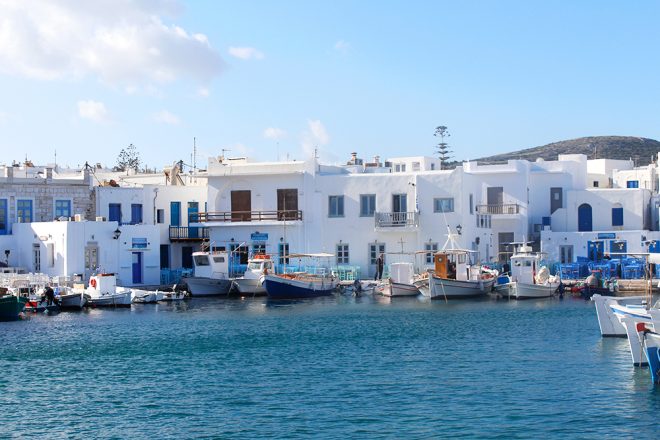
Paros, a jewel in the Cycladic crown, captivates visitors with its whitewashed villages, golden beaches, and sapphire seas. Yet, many travelers arrive with a camera, only to find their photos look generic, failing to capture the island’s true, distinctive essence.
Moving beyond simple snapshots requires understanding Paros’ unique light, navigating its most picturesque spots, and knowing how to frame moments that tell a story. This guide delves into specific strategies and locations to ensure your visual memories truly reflect the island’s magic.
Chasing the Golden Hour: Best Times for Iconic Paros Shots
The quality of light dramatically dictates a photograph’s mood and impact. In Paros, the periods just after sunrise and just before sunset, known as the golden hour, offer unparalleled opportunities for stunning imagery. The low-angle, soft, warm light creates long, dramatic shadows and bathes everything in a beautiful glow, transforming even familiar scenes.
For sunrise, head to the windmill overlooking Parikia or the Old Port in Naoussa. As the sun creeps above the Aegean, it casts a gentle, ethereal light across the fishing boats and neoclassical buildings. The streets are largely empty, offering a peaceful solitude perfect for composition without crowds. Expect vivid pastels shifting to warmer oranges and yellows as the sun ascends.
Sunset offers a different kind of drama. The western coast of Paros, particularly areas around Agia Irini or even the main port of Parikia, provides excellent vantage points. The sky often explodes in hues of crimson, orange, and purple, silhouetting the iconic Cycladic architecture. The key is patience and identifying a clear foreground element – perhaps a lone bougainvillea-draped archway or a traditional fishing boat – to add depth to the expansive sky.
Sunrise in Naoussa’s Old Port: A Photographer’s Advantage
Waking early in Naoussa grants access to its charming harbor before the tavernas open and tourists fill the narrow alleys. The still water perfectly reflects the colorful fishing boats and the whitewashed structures, creating a mirror effect that doubles the visual interest. Aim for a spot near the Venetian Fortress remains, looking back towards the village. The first rays of sun will hit the buildings, creating a beautiful contrast with the deep blue shadows.
Parikia’s Sunset Spectacle from the Kastro
The Kastro area in Parikia, the island’s capital, offers elevated views over the town and out to sea, making it an ideal spot for sunset photography. As the sun dips, the whitewashed houses catch the last warm light, while the sky erupts in color behind them. Focus on incorporating the intricate details of the old town’s architecture in your foreground, letting the dramatic sky serve as a powerful backdrop. Experiment with different exposures to capture both the vibrant sky and the details in the illuminated buildings.
Midday Challenges: Harnessing Harsh Light
While golden hour is ideal, midday light in Paros is unavoidable. The intense overhead sun creates harsh shadows and can wash out colors. To combat this, look for shade, photograph details, or embrace the high contrast. Shooting into the sun (backlighting) during midday can create striking silhouettes, especially when framing a lone church dome against the bright sky. Alternatively, seek out the deep, cool shadows within the labyrinthine streets of Naoussa or Lefkes; these pockets of shade offer relief and interesting compositional challenges, emphasizing textures and forms.
Beyond the Main Squares: Finding Unique Angles in Parikia & Naoussa
Everyone photographs the main squares, but truly distinctive Paros images come from exploring the quieter corners. The trick is to wander deliberately, paying attention to the interplay of light and shadow on less-trodden paths. These overlooked spots often reveal the true character of the island, far from the bustling tourist hubs.
- Naoussa’s Back Alleys: Instead of focusing solely on the harbor, turn into the smaller alleys that branch off the main waterfront. These narrow lanes are often decorated with potted plants, hidden chapels, and unexpected archways. Look for interesting textures on the walls, vibrant bougainvillea spilling over balconies, or a lone chair left outside a traditional home. The absence of crowds allows for cleaner compositions.
- Parikia’s Venetian Kastro Remains: While the Kastro offers sunset views, its true photographic potential lies in the details of its ancient stones and the quiet residential streets weaving through it. Look for the remnants of old walls, repurposed marble fragments, and the unique architecture where houses are built directly into the defensive structures. The contrast between ancient and contemporary life is often striking here.
- The Old Washing Stations of Prodromos: Just a short drive from Lefkes, the village of Prodromos boasts charming old washing stations (laundry houses) that are incredibly photogenic. These stone structures, often overgrown with greenery, offer a glimpse into traditional island life. Visit in the early morning for soft light and to avoid any other visitors.
- Agios Konstantinos Church in Parikia: Perched on a promontory, this church is a common subject. However, instead of a direct frontal shot, try photographing it from the path leading up to it, incorporating the winding stone steps or a glimpse of the sea in the background. Or, focus on the intricate bell tower and its unique details against the sky.
Finding the Unseen in Naoussa’s Labyrinthine Streets
Naoussa’s charm isn’t just its famous port. Delve deeper into its winding, whitewashed alleys. You’ll find doors painted in vibrant blues and greens, unexpected steps leading to higher vantage points, and small, unadorned courtyards. These less-visited areas offer a more intimate look at Cycladic life. Focus on the geometry of the architecture, the strong lines of the buildings, and the small, personal touches residents add to their homes.
Parikia’s Architectural Details: Beyond the Facade
Parikia, while busier, rewards careful observation. Look for the intricate patterns on church domes, the texture of weathered wooden doors, or the way light filters through a narrow archway. The Panagia Ekatontapiliani church, for instance, is a complex subject. Instead of trying to capture its entirety in one frame, isolate sections – a specific arch, a carved detail, or the play of light on its ancient stone walls.
Capturing Cycladic Textures: White Walls, Blue Domes, and Stone Paths
To truly capture Paros, you must emphasize the tactile experience of the Cycladic aesthetic. It’s not just about the colors, but the textures—the rough render of whitewashed walls, the smooth, worn stone of ancient paths, and the intricate details of a painted blue wooden door. Many photos miss this depth, presenting a flat image. Focus on the interplay of light and shadow to bring these surfaces to life, making viewers feel they could reach out and touch the scene.
The ubiquitous white architecture against the vibrant blue of the Aegean or a painted dome is the quintessential Cycladic image. However, simply pointing and shooting often results in a bland, overexposed photo of white. Instead, look for moments when the light casts subtle shadows, revealing the unevenness of the plaster or the imperfections that give character. These shadows create depth and make the white walls feel less monolithic.
Blue domes, doors, and window frames are more than just color accents; they are often weathered by sun and salt, telling a story of their own. Get close to capture the peeling paint, the grain of the wood, or the intricate ironwork on a balcony. These details, when framed thoughtfully, elevate a generic scene into a personal narrative. Consider shooting from a slightly lower angle to emphasize the dome against the sky, or use a doorway as a natural frame for a distant view.
Detailing Whitewashed Walls: Light and Shadow Play
The texture of a whitewashed wall changes dramatically with the light. In the soft light of morning or late afternoon, the subtle irregularities of the plaster become more apparent. Look for walls with interesting shadows cast by nearby plants, architectural elements, or even a passing figure. These shadows sculpt the surface, adding a three-dimensional quality. Experiment with both direct and indirect light to see how it affects the wall’s character.
Emphasizing Blue Details: Doors, Shutters, and Domes
The blues of Paros, whether on a church dome or a traditional door, are iconic. When photographing these elements, pay attention to their context. Is the blue door framed by vibrant pink bougainvillea? Does the dome stand out against a dramatic sky? Try to include a contrasting element that enhances the blue, such as a terracotta pot or a splash of green foliage. Don’t be afraid to get close and fill the frame with the texture and color of these details, showcasing their unique charm.
The Stories in Stone: Paths and Alleys
The stone paths and steps winding through Paros’s villages are steeped in history. They are often worn smooth by centuries of foot traffic, reflecting light in interesting ways. When composing, use these paths as leading lines to draw the viewer’s eye deeper into the scene. Look for patterns created by the irregularly shaped stones or the way moss and small plants have grown between the cracks. These ground-level details add an authentic, aged feel to your photographs, grounding them in the island’s rich past.
Paros’ Diverse Coastlines: A Photographer’s Location Guide
Paros boasts a varied coastline, each stretch offering unique photographic opportunities. Moving beyond the popular beaches, there are hidden coves, dramatic rock formations, and bustling watersports hubs that provide distinct visual narratives. Understanding what each area offers helps you plan your shots and capture the true diversity of the island’s shores.
| Location | Primary Photographic Feature | Best Time to Shoot | Notes for Photographers |
|---|---|---|---|
| Kolymbithres Beach | Moon-like rock formations, clear shallow waters | Early morning or late afternoon | Focus on abstract compositions of sculpted rocks. Look for reflections in calm water. Avoid peak midday crowds. |
| Santa Maria Beach | Golden sand, windsurfers & kitesurfers, azure waters | Afternoon (for action shots) | Capture the dynamic energy of watersports. Use fast shutter speeds. Wide shots to show the expanse of sand and sea. |
| Golden Beach (Chryssi Akti) | Long sandy stretch, clear water, ideal for windsurfing | Sunrise (for calm) or afternoon (for action) | leading lines of the beach. Capture the golden hue of the sand. If windy, look for dramatic cloud formations. |
| Lageri Beach | Secluded coves, natural beauty, calm waters | Anytime, but soft light is best | Focus on tranquility and natural textures. Great for long exposures of gentle waves. Minimal human element. |
| Monastiri Beach & Park | Secluded bay, rocky hillsides, small monastery | Mid-morning or late afternoon | Combine natural landscapes with cultural elements. Explore trails for elevated views. Look for contrasts between green hills and blue sea. |
| Pounda Port (Antiparos Ferry) | Bustling port, ferry activity, views of Antiparos | Daytime (for activity) | Capture the human element and ferry movements. Focus on candid shots of travelers. Good for capturing a sense of transition. |
Kolymbithres’ Sculpted Landscapes: A Natural Studio
The granite formations at Kolymbithres are truly unique. They are smoothed by centuries of wind and water, creating natural pools and abstract shapes. Photographers can spend hours here, focusing on the intricate patterns, the reflections in the calm water, and the contrast between the pale rocks and the deep blue sea. The rocks are particularly striking under an overcast sky, which diffuses the light and enhances their sculptural quality.
Dynamic Watersports at Santa Maria and Golden Beach
For those interested in action photography, Santa Maria and Golden Beach are prime locations. The steady Meltemi winds make them popular for windsurfing and kitesurfing. Capturing these sports requires a good understanding of shutter speed. Use a fast shutter to freeze the action, or a slightly slower one (with panning) to create a sense of motion blur in the background while keeping the subject sharp. Focus on the vibrant colors of the sails and kites against the blue sky and sea.
Secluded Beauty: Lageri Beach’s Quiet Charm
Lageri Beach, accessible by a short walk, offers a stark contrast to the busier beaches. Its quiet, sandy coves and calm waters are perfect for capturing serene landscapes. The lack of commercial development means your photos will emphasize natural beauty. Look for delicate patterns in the sand, the subtle gradient of the clear water, and the gentle curve of the coastline. It’s an ideal spot for minimalist compositions and long exposure photography of the tranquil sea.
Inland Escapes: Photographing Lefkes and Traditional Villages
Paros isn’t just about the coast; its interior holds equally rich photographic potential, particularly in the traditional villages. These settlements, often nestled in hillsides, offer a glimpse into a slower, more authentic Cycladic life. Their architecture, local interactions, and stunning views provide endless opportunities for compelling images.
Q: What makes Lefkes such a captivating subject for photographers?
A: Lefkes, the former capital, is arguably the most picturesque village inland. Its traditional Cycladic architecture, characterized by whitewashed houses, narrow cobblestone streets, and vibrant bougainvillea, is incredibly photogenic. What sets Lefkes apart is its elevated position, offering panoramic views of the olive groves and the sea towards Naxos. The village’s quiet, unhurried atmosphere encourages exploration, revealing hidden churches, quaint cafes, and local workshops. The light here filters beautifully through the narrow passages, creating pockets of soft illumination even at midday. Focus on the small details: a terracotta pot filled with geraniums, an elderly woman sweeping her steps, or a cat sleeping in a sunbeam.
Q: How can I best capture the everyday life and character of inland villages like Prodromos or Marpissa?
A: To capture the genuine character of these villages, adopt a respectful, observational approach. Avoid intrusive flash or wide-angle shots that can feel overwhelming. Instead, use a longer lens from a distance to capture candid moments—locals chatting outside a kafenion, donkeys tethered to a wall, or a baker tending his oven. Look for recurring motifs like traditional drying racks with herbs, intricate doorknobs, or the specific way light falls on a stone archway. Early morning is often best, as the villages are waking up, offering authentic scenes before the mid-morning rush.
Q: What are the unique challenges and rewards of photographing the landscapes around these villages?
A: The landscapes surrounding inland villages present a different challenge than coastal scenes. Here, you’re dealing with rolling hills, olive groves, vineyards, and the occasional scattered farmhouse. The rewards are a sense of timelessness and a deeper connection to the island’s agricultural heritage. The main challenge is finding compelling foregrounds and points of interest in what can sometimes appear as uniform terrain. Look for a solitary tree, a small chapel on a hill, or the winding path leading to a village. Use the natural lines of the hills and fields to guide the viewer’s eye. Golden hour is particularly effective here, as the warm light emphasizes the contours of the landscape and brings out the greens and browns of the vegetation. Consider incorporating a distant village into your landscape shot to add a human element and a sense of scale.
The Unseen Paros: Focusing on Small Details and Local Life
The true magic of Paros often lies in its smallest, most overlooked elements. Forget the grand panoramas for a moment and zoom in on the textures of weathered wood, the intricate patterns of a mosaic, or the genuine smile of a local shopkeeper. These intimate details, often missed in the rush to see the ‘big’ sights, are what weave together the rich tapestry of island life, offering unique and deeply personal photographs.
Capturing the Essence of Everyday Objects
Don’t dismiss the seemingly mundane. A fishing net drying in the sun, a stack of colorful ceramic plates outside a pottery studio, or a row of brightly painted flowerpots can all make for compelling subjects. These objects tell stories of tradition, craftsmanship, and daily routines. The key is to isolate them, focusing on their form, texture, and the way light interacts with them.
The Human Element: Authentic Encounters
While respecting privacy, look for opportunities to photograph people in their natural environment. This doesn’t mean staging shots but rather observing and waiting for authentic moments. An old fisherman mending his nets in Naoussa, children playing in a village square, or a vendor arranging their produce at a market in Parikia can add immense depth and narrative to your Paros collection. These human elements are the soul of the island, and their capture elevates simple travel photos to profound visual memories.
Ultimately, capturing Paros in photos means slowing down, observing closely, and letting the island’s authentic charm reveal itself in every detail, large and small.