Asia Overnight Train Sleep Kits That Stay Compact
08/15/2026

Your train leaves Bangkok at 7:30 p.m., the platform feels like a sauna, and your bunk is narrower than expected. By midnight, the air-conditioning is cold, your backpack is under your knees, and the bulky neck pillow you packed is taking up half your berth. A useful late-summer sleep kit solves those three problems: heat, noise, and limited space.
Pack by sleep problem, not by comfort fantasy
My clear recommendation: build the kit around three controls—light, sound, and body temperature—and set a strict volume limit before you shop. A compact sleep kit works because it removes specific obstacles. It does not try to recreate your bedroom inside a train cabin.
Use one sleep layer for each problem
Start with an eye mask for light, earplugs for sudden noise, and one washable layer for contact with the berth. That third item can be a thin cotton scarf, a travel sheet liner, or a lightweight long-sleeve shirt. Do not pack three versions of the same solution. A second eye mask will not help if the carriage is too warm, and a thick blanket will not fix a loud corridor.
Late-summer routes often combine bright station platforms, open carriage doors, announcements, and strong air-conditioning. Your kit needs to handle changing conditions, not one perfect temperature. Choose items that work while sitting, lying on your side, or moving through a station.
Set a 1.5-liter ceiling
Use a small pouch no larger than 20 by 15 by 5 centimeters, or about 1.5 liters. If the kit does not fit, remove comfort extras before adding a larger bag. The target is roughly 250 to 350 grams for the whole sleep setup, including the pouch. Keep the kit at the top of your main bag so you can reach it before boarding.
Skip full-size blankets, rigid travel pillows, separate toiletry bags, and anything that needs a wall outlet. The most useful compact item is the one you can deploy in under two minutes.
Which compact sleep items earn their space?

The strongest kit uses light items with a clear job. Prices below are 2026 reference prices in US dollars; local prices and regional versions can differ. None of these items is essential, but the first three give the best space-to-benefit return for most overnight routes.
A compact kit under 300 grams
Choose the winner for your route
For a soft berth and a passenger who sleeps on their side, the Sea to Summit Aeros Ultralight Pillow Regular is the best comfort upgrade because its packed volume is tiny and its height can be adjusted. For a noisy shared cabin, Loop Quiet 2 gives the most useful balance of sound reduction and awareness; you can still hear a phone alarm more easily than with heavy over-ear headphones. The Nitecore NU25 UL earns space on trains with dark aisles or shared luggage racks, but it is unnecessary if your phone has a reliable flashlight.
Do not buy every item on the table. Pick two or three based on the problem you already know you have. The goal is a compact sleep kit, not a miniature camping store.
How late-summer heat changes the sleep setup
Late-summer Asia train travel rewards ventilation and quick drying more than extra insulation. The best setup is light enough to stay on your body, breathable enough for humid platforms, and easy to separate from damp clothing. A compact kit fails when it traps sweat, hides wet fabric in a sealed pouch, or assumes the train will keep one temperature all night.
Control sweat before adding warmth
Wear a loose synthetic or lightweight merino top instead of carrying a thick hoodie as your main sleep layer. Synthetic fabric dries faster after a humid station walk; merino handles odor better but often costs more and can feel warm in a poorly ventilated berth. Carry a small cloth for your face and neck, then keep it outside the sealed sleep pouch until it dries.
Use a two-stage clothing plan. Board in breathable trousers and a quick-drying shirt. Keep one thin long-sleeve layer within reach for the coldest part of the journey. Only add socks or a light scarf after the air-conditioning becomes uncomfortable. This prevents the common mistake of dressing for the cold carriage while still standing on a hot platform.
Separate dry gear from wet gear
Put earplugs, an eye mask, and electronics in one dry pocket. Put a damp cloth, used socks, or a sweaty shirt in a separate mesh bag. Sealing wet fabric beside your sleep items creates odor and condensation, especially during long station transfers. A simple 15 by 20 centimeter mesh pouch is enough; it does not need to be waterproof.
Air-conditioning can also dry your nose and throat. Drink a moderate amount before boarding, but avoid filling your bottle immediately before sleep if restroom access is awkward. Keep footwear easy to slip on because the fastest route to a comfortable night often involves walking to the carriage door for cooler air.
Pack the kit in five steps before boarding
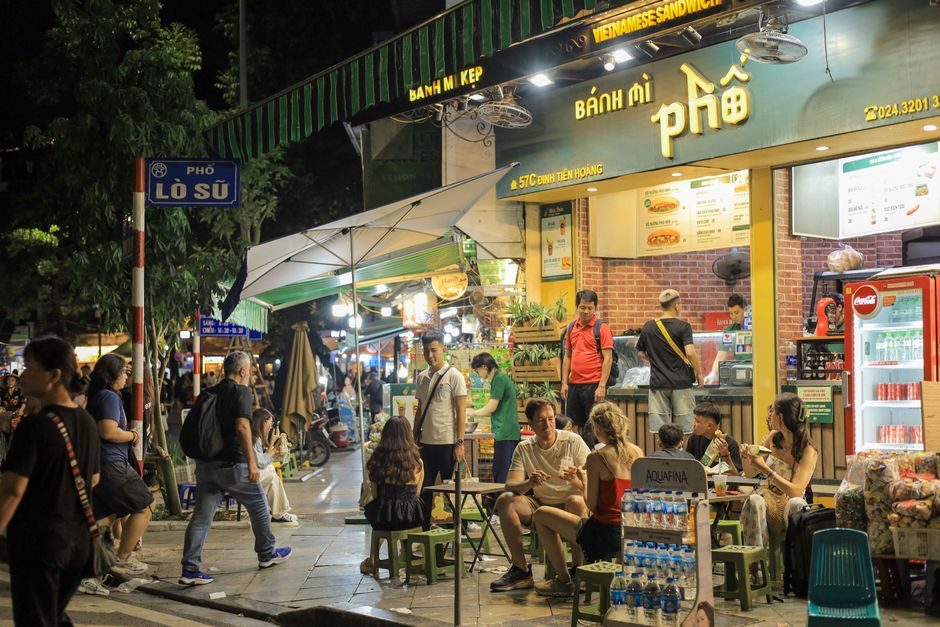
Pack the sleep kit last, after your clothes and documents are already organized. That keeps it accessible and stops useful items from disappearing under a full backpack.
Use this boarding sequence
- Check the berth first. Look for the pillow, blanket, curtain, reading light, power socket, and luggage position. Do not unpack items the train already provides. Use the first five minutes to find the restroom and identify the nearest exit.
- Set the temperature layer aside. Place your long-sleeve shirt, scarf, or thin socks on top of the bag. Keep them separate from damp travel clothes. Add warmth only after the carriage cools down.
- Prepare light and sound. Insert earplugs before the cabin becomes busy, but keep one ear free until tickets and announcements are finished. Put the eye mask in a pocket you can reach without opening your main bag.
- Test the alarm. Set a phone alarm with vibration and a quiet tone. If you use a headlamp, charge it before departure and lock it to the lowest useful brightness. A bright beam can disturb other passengers and make it harder to fall asleep again.
- Compress the empty space. Deflate an inflatable pillow, fold the eye mask flat, and place the pouch inside the seat-back area or at the top of your day bag. Keep passports, tickets, and medication in a separate document pouch.
Fix the mistakes that ruin compact kits
The most common mistake is packing by fear: extra blankets, spare pillows, large headphones, and multiple chargers. The second is choosing a product that cannot be cleaned after a sweaty night. The third is testing nothing before departure. Wear the eye mask for ten minutes at home, test earplug comfort, and inflate the pillow before you leave.
Skip an inflatable pillow if you dislike the sound of air valves or change sleeping positions constantly. A folded scarf may work better. Skip a headlamp if your phone flashlight is bright enough and you do not want another battery to manage. Compact does not mean buying the smallest version of everything; it means carrying only the item that solves a known problem.
Questions to settle before you buy anything
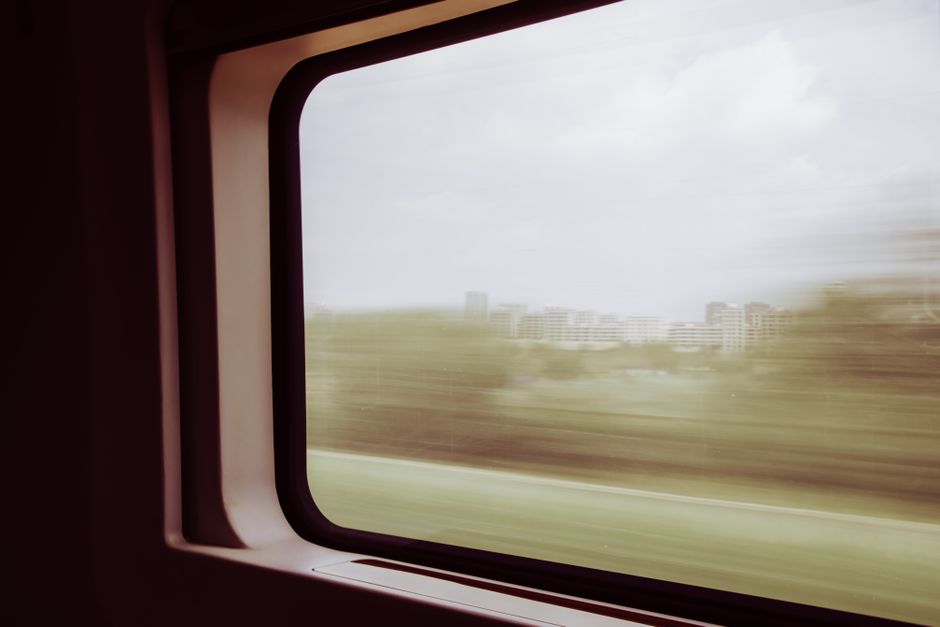
The best final decision is simple: take the smallest kit that protects your sleep from the route’s main risks. Late-summer overnight trains usually punish poor heat management and inaccessible packing more than they punish a lack of luxury.
Do I need a travel pillow?
Buy one only if you already know that neck or shoulder pain wakes you on buses and planes. If you sleep on your back, the train berth already gives enough support for many travelers. If you sleep on your side, a small inflatable pillow can help, but a rolled shirt may provide the same height at zero extra volume.
Should I bring a sleep sack?
Bring one when you need a personal barrier, expect questionable bedding, or have sensitive skin. Skip it on routes that provide clean bedding and where temperatures stay hot. A full sleeping bag is excessive for most late-summer train cabins because it takes too much space and holds heat.
What is the final compact setup?
For most travelers, the winning setup is an eye mask, comfortable earplugs, one breathable long-sleeve layer, a small dry pouch, and a phone alarm. Add a compact inflatable pillow only for side sleeping, and add a headlamp only for dark shared berths. Keep the total kit below 1.5 liters and about 350 grams. That is the clearest recommendation for a late-summer Asia overnight train: solve light, noise, and temperature first, then leave every comfort extra at home.