August South America Highland Day Trips Without Bulk
08/31/2026
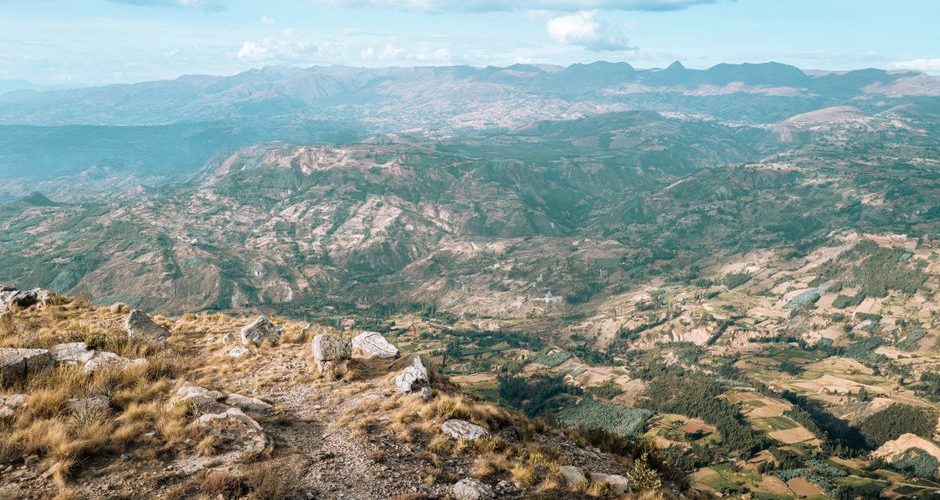
August is a strong month for highland day trips across the Andes, from Cusco and the Sacred Valley to La Paz, Lake Titicaca, and Ecuador’s volcanic routes. Dry air and clear skies can make the sun feel hot, while wind, shade, rain, and altitude turn the same day cold within minutes.
Build a Three-Layer System for a Full Day Out
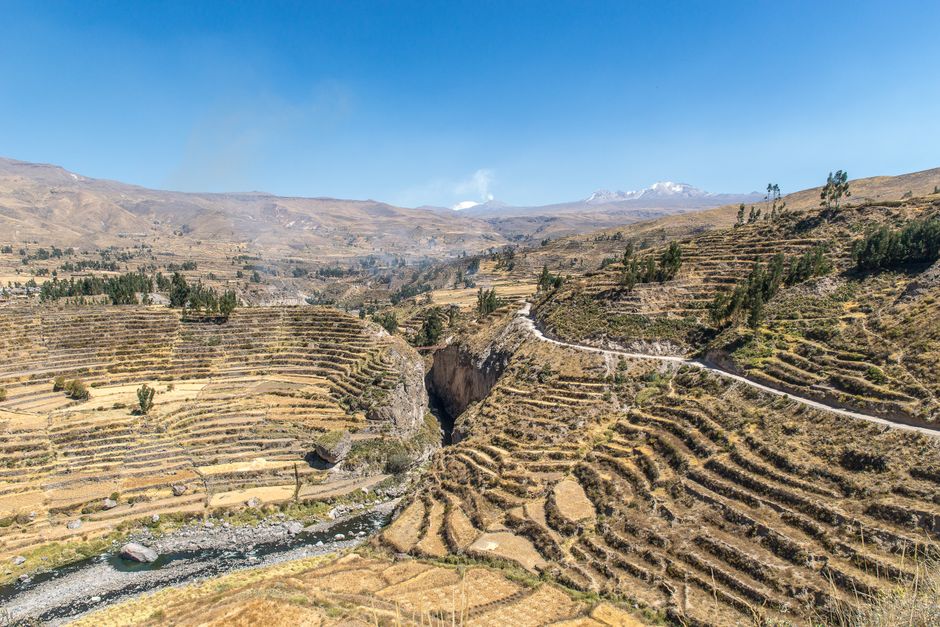
Use three functional layers, not three bulky garments. Each layer should perform one job: move moisture away from the skin, hold warm air, or block wind and rain. This system works in a minibus, on a trail, and during long stops without forcing you to carry a large winter coat.
- Start with a close-fitting base layer. Choose merino wool or a technical synthetic fabric. It should sit against the skin without squeezing your chest or restricting your breathing. A long sleeve gives useful sun protection and adds warmth before you reach for insulation.
- Add one compact insulation layer. A thin fleece, synthetic jacket, or light down piece creates warm air around your torso. Choose a layer that fits over the base shirt but still leaves room for a shell. Avoid thick cotton sweatshirts; they take longer to dry and occupy too much space in a daypack.
- Finish with a shell only when conditions require it. A wind-resistant outer layer often matters more than extra insulation on a dry, exposed pass. A rain shell protects against sudden showers, but it should have a usable hood, a front zip, and enough room for the insulation layer underneath.
- Pack the small heat tools. A thin beanie, lightweight gloves, neck tube, and warm socks weigh little but help during photo stops. Hands, ears, and the back of the neck lose comfort quickly in wind.
- Vent before you sweat. Open the front zip before a climb becomes hard. Remove the insulation layer during sustained uphill walking and put it back on before you stop. Dry clothing keeps you warmer than a thicker damp outfit.
Fit matters more than fabric claims
A layer that fits too tightly compresses insulation and makes movement uncomfortable. One that fits too loosely lets warm air escape and creates gaps around the wrists and neck. Test the full system at home: base layer, insulation, shell, backpack straps, and camera or water-bottle access. If the shoulder seams fight with the pack, the outfit will feel worse after several hours.
Keep the pack simple
For most August day trips, the useful clothing load fits in a 15 to 25 litre daypack. Carry the insulation layer inside a dry bag or sealed plastic pouch if rain is possible. Store gloves and a hat in an outer pocket so you can reach them during a stop. This setup beats carrying several interchangeable jumpers that all perform the same job.
Which Base Layer Works Best at Andean Altitude?
For long day trips with changing effort, a lightweight merino or merino-blend shirt is my first choice because it manages odour better during repeated wear and stays comfortable across warm and cold periods. Synthetic fabric dries faster after a sweaty climb and often costs less. Cotton feels pleasant in a hotel or on a city walk, but it becomes a poor choice once wind and sweat enter the picture.
Base-layer comparison
Prices above are typical US list prices seen in 2026; sales, local taxes, and regional pricing can change them. The comparison is about fabric roles, not a promise that one shirt suits every body or climate.
Choose merino for repeat wear
The Smartwool Classic All-Season Merino top is the strongest choice for travellers who want one long-sleeve shirt to wear across several days. It costs more than a basic synthetic shirt, but lower odour can matter when laundry access is limited. The Icebreaker 200 Oasis is warmer and more substantial, so it works better for cold sunrise departures than for high-output uphill walking under strong sun.
Choose synthetic for fast drying and low cost
The Uniqlo HEATTECH shirt is the budget pick for a traveller who wants a thin warmth layer for buses, hotels, and casual walks. It is not my first choice for a sweaty mountain climb because its warmth-focused fabric can feel less airy than a hiking base layer. Do not buy the warmest base layer simply because the destination is high. A shirt that holds too much heat can leave you wet before the exposed section begins.
Clear verdict: choose the Smartwool top for repeated highland travel, the Icebreaker 200 Oasis for cold and slow-moving itineraries, and the Uniqlo layer when low price matters more than trail-specific moisture control.
Pick One Compact Insulation Layer and One Weather Barrier
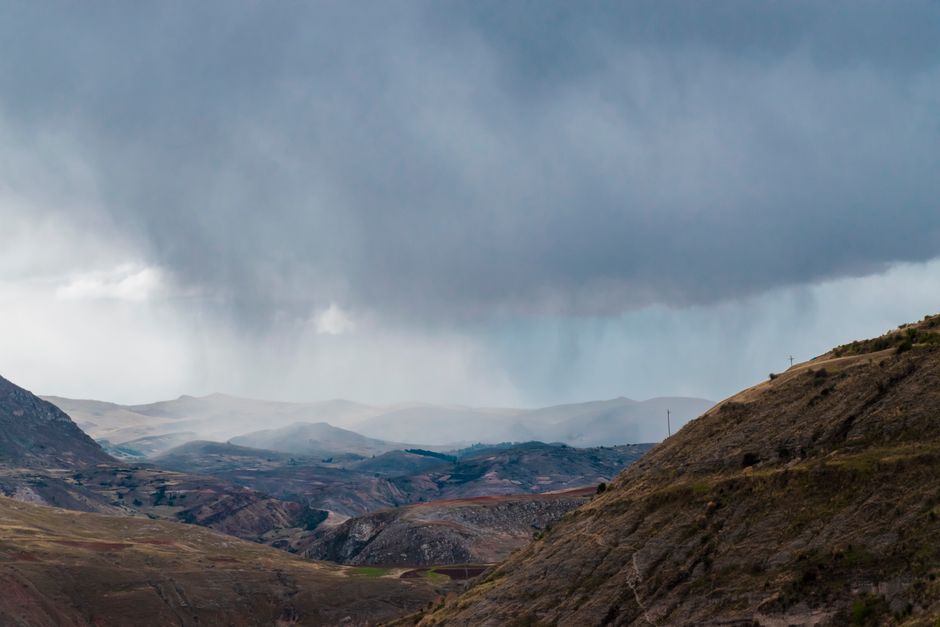
The best low-bulk setup for most August day trips is a lightweight synthetic jacket plus a thin shell. The insulation handles cold stops, while the shell handles wind and short showers. This combination gives you more control than a heavy parka and usually fits under a small daypack without taking over the main compartment.
Why synthetic insulation wins for mixed travel
Its 60-gram PrimaLoft Gold Eco insulation packs down well, resists light moisture, and keeps more warmth than down after a damp spell. For a traveller who will move between dry ridges, wet vehicle seats, and occasional showers, it is the best overall balance of warmth, packability, and weather tolerance.
Its synthetic Coreloft insulation and built-in hood make it especially comfortable during windy stops, and the athletic cut works well for active walking. The trade-off is price: it makes sense for frequent outdoor travel, but it is hard to justify for one short holiday if a simpler jacket already fits correctly.
When a shell matters more than extra warmth
A shell should block wind and rain without becoming a plastic sauna. Look for a hood that turns with your head, adjustable cuffs, a full front zip, and enough space for your insulation layer. You do not need a thick alpine shell for a sightseeing day if the forecast is dry, but you do need wind protection at exposed passes. Put the shell on before the wind makes you cold, not after your base layer has become damp.
Do not buy a bulky expedition parka for ordinary August day trips around Cusco, La Paz, or the Sacred Valley. It adds weight, reduces flexibility, and can leave you overheated during uphill sections. Buy heavier insulation only for high camps, overnight trips, snow travel, or itineraries that keep you exposed after sunset. For a normal day return, the Patagonia Nano Puff is the clearest pick; the Arc’teryx Atom earns its higher price only when you value the hood, fit, and frequent use.
What Goes Wrong on Highland Day Trips?
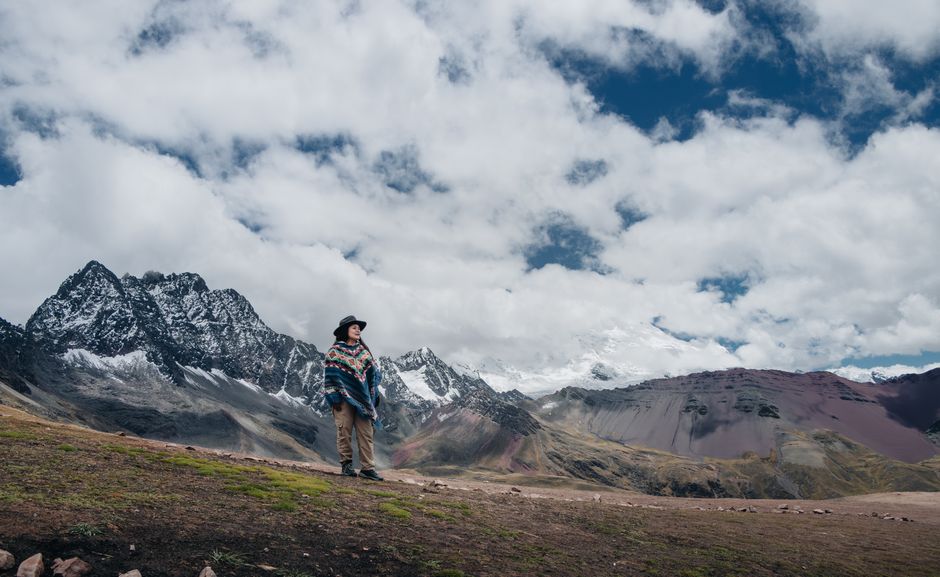
Should I wear every layer at the start?
No. Start slightly cool if you will walk uphill, then add insulation during vehicle stops, viewpoints, and photo breaks. Wearing every layer from the hotel often creates sweat, and damp fabric becomes your main source of chill later. Keep the jacket, hat, and gloves within reach rather than buried below snacks and camera equipment.
Is cotton acceptable for August?
Cotton works for a dry city morning or a short transfer, but it becomes a weak trail layer when you sweat. It absorbs moisture, dries slowly, and offers little comfort once wind reaches the fabric. If you already own cotton clothes, wear them under a dry synthetic or wool layer for low-effort sightseeing, not as your only shirt on a high pass.
What should I avoid buying?
Avoid a thick fleece, heavy denim, cotton hoodie, or large down coat when the itinerary involves walking, changing elevations, and limited luggage space. These pieces solve one cold moment but create bulk and overheating through the rest of the day. Also avoid shoes with smooth soles, thin fashion sneakers, and jackets with no hood or wind adjustment. A warm torso cannot compensate for cold hands, wet feet, or poor traction.
The most serious failure is ignoring altitude symptoms because the clothing feels adequate. A warm outfit does not make a headache, nausea, confusion, or unusual breathlessness safe. Stop, tell the guide, rest, and descend if symptoms worsen. Do not use caffeine, pain medicine, or extra clothing as a reason to continue upward.
Final verdict: pack one moisture-managing base layer, one compact synthetic insulation layer, one wind or rain shell, and small accessories for hands and head. That four-part system handles the real problem: rapid swings between sun, wind, exertion, and stillness. As highland travel grows more accessible, the smartest packing systems will keep getting lighter while putting more attention on altitude, weather, and the limits of the traveller wearing them.