August Shade Walks in Southern Europe, Made Local
08/01/2026
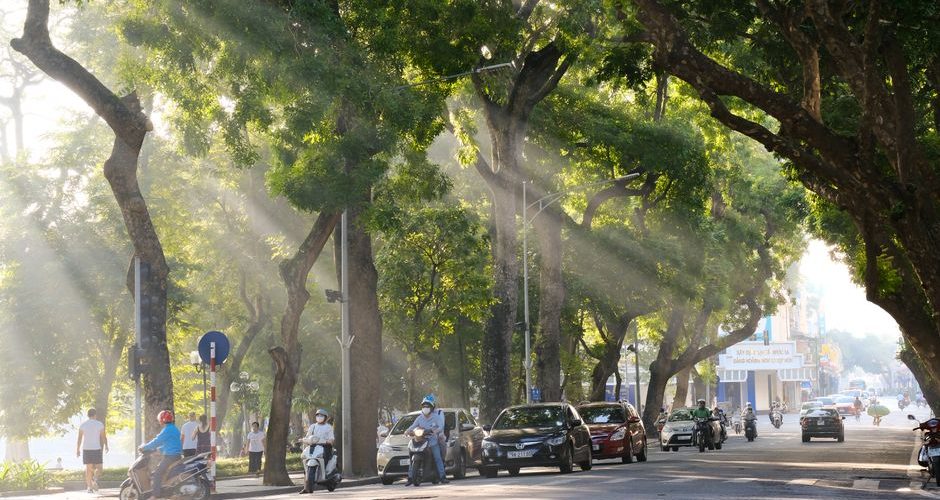
The common mistake is treating August sightseeing as a race between landmarks. In Southern Europe, the better walk often moves slowly through one neighborhood, pauses for a small lunch, and saves the open square for late afternoon. Shade is not just relief from the heat. It changes which streets feel comfortable, which cafés still have regulars, and how long you can stay outside without turning the day into a test of endurance.
Why a midday shade walk feels more local
The strongest August city walks follow the places residents already use to escape the sun: arcaded streets, church interiors, market halls, tree-lined gardens, covered food markets, and cafés with deep awnings. Visitors often aim for the famous central square at noon because it appears first on a map. That is exactly when the stone holds the morning heat, benches sit in full sun, and every table becomes a photograph rather than a place to linger.
A shade walk solves a basic travel problem: you want to understand a city during the hours when the city changes pace. Shops may close for lunch, families may move indoors, and office workers may gather at a bar for a quick coffee. The answer is not to copy a checklist at 1 p.m. It is to choose a route with several short resets.
Start with a 20-minute exposure limit
Build the first part of the route around no more than 20 minutes in direct sun. In Seville, that could mean moving between the shaded lanes around Santa Cruz and the tree cover near the Murillo gardens. In Palermo, use the market streets and cooler interiors around the Kalsa before crossing a broad, exposed avenue. In Lisbon, climb during the morning or after 5 p.m.; steep pavement plus heat turns a pleasant walk into hard work faster than the distance suggests.
Choose pauses that belong to the neighborhood
A local-feeling pause has a reason to exist beyond tourism. Buy fruit at a market, sit inside a church for ten quiet minutes, order a small coffee at the counter, or share a plate at a family-run lunch spot. The pause should last 30 to 60 minutes, not five minutes for a photograph. Look for places with a short menu, uneven opening hours, and customers who are clearly there for lunch rather than a view.
Keep the route short enough to repeat
The best midday route covers 2 to 4 kilometers and includes one planned indoor stop. That distance leaves room for detours, a long lunch, and a tram or bus ride if the heat rises. A short route also lets you return to the same neighborhood at dusk, when the streets feel completely different.
Five Southern European routes that work in August
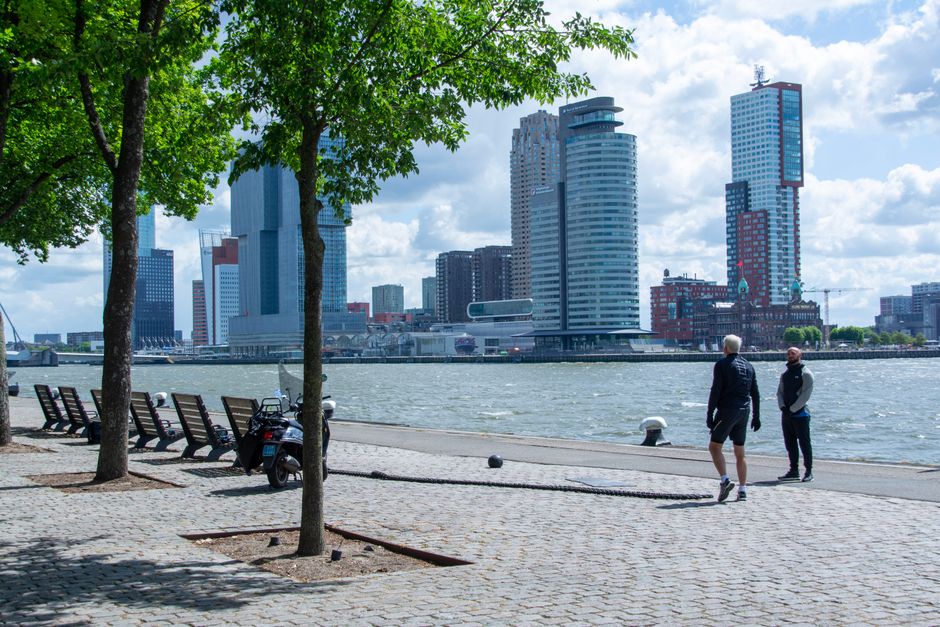
There is no single perfect city for summer walking. The winner is the route with the most shade between useful stops. These examples favor neighborhoods with daily life, food, transit, and places to sit.
Use timing as part of the route
| City | Comfortable window | Suggested shaded sequence | Best local pause |
|---|---|---|---|
| Seville | 8:30–11:00 or after 18:00 | Santa Cruz lanes to Murillo gardens | Indoor tapas lunch, then a slow garden stop |
| Palermo | 9:00–12:00 or after 17:30 | Capo market to Kalsa side streets | Granita, espresso, or a market lunch |
| Lisbon | 8:00–11:00 or after 18:00 | Mouraria lanes to a shaded miradouro | Pastry and coffee away from the main viewpoint |
| Valencia | 9:00–12:00 or after 17:00 | Ruzafa streets to Turia garden paths | Long horchata break under the trees |
| Split | 8:00–10:30 or after 18:00 | Diocletian’s lanes to the waterfront shade | Cold drink in a narrow stone lane |
Pick one route, not five landmarks
The clear winner for a first August walk is Valencia: the Turia gardens give you continuous tree cover, the city stays easy to cross, and the route can end in Ruzafa or near the old town without a major climb. Seville offers the richest architectural atmosphere, but it demands stricter timing. Lisbon rewards early starts, while Palermo and Split work best when you accept a less polished, more improvised rhythm.
Route times vary with heat, crowds, and closures. Treat the table as a planning frame rather than a promise that every café will open on schedule.
Which midday pauses are actually worth planning?
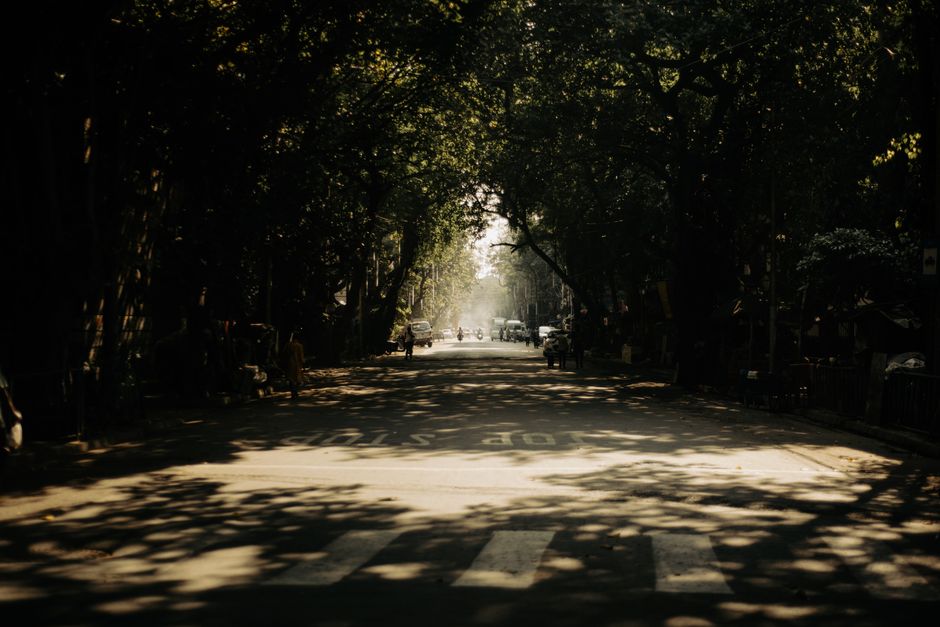
Should you plan lunch or stay spontaneous?
Plan the neighborhood and the time, then leave the exact table flexible. In August, a famous restaurant may require a booking, while a small bakery or bar may close for a break. A useful plan says, “eat near the market between 12:30 and 1:30,” rather than naming one restaurant three streets away. That leaves room for a full café, a shaded bench, or a shopkeeper’s recommendation.
Are museums always the best escape from the heat?
No. A museum works when you want two cool hours and a strong collection, but it can pull you away from local street life. A church, covered market, public library, or old cinema may offer a shorter, more natural pause. For a first walk, choose one major indoor stop and one ordinary pause such as coffee at the counter. The contrast tells you more about the city than spending the entire afternoon inside a ticketed attraction.
How can you tell if a café feels local?
Look for a small menu, fast service at the bar, and customers ordering simple drinks or lunch without taking photographs of the room. Sit inside if the terrace sits in direct sun. The best verdict for a midday pause is simple: stay where you can hear the neighborhood working, not where the view demands your attention.
These choices also protect against a common disappointment: mistaking a shaded tourist terrace for a local experience. Shade matters, but the people, opening rhythm, and food matter more.
The best gear picks for a comfortable local-feeling walk

My clear pick for most travelers is the Quechua NH Escape 500 16L backpack at about €29.99. It keeps the load compact, offers a 13-inch laptop sleeve, bottle storage, and a 40 x 28 x 20 cm cabin-friendly shape. It is enough for water, a layer, and a small lunch. The Osprey Daylite Plus is the better premium choice at about €80: its 20-litre capacity and hydration-compatible sleeve suit travelers who walk all day, but it costs more and looks more like outdoor equipment.
Best for feet on mixed old-town pavement
The Teva Original Universal, listed at about €65, is the strongest warm-weather option when you want an open shoe with adjustable straps, a molded EVA midsole, and a rubber outsole. It handles a café-to-waterfront route better than a flat flip-flop. Pick it for dry weather and moderate walking. For steep Lisbon streets or wet cobbles, closed walking shoes with a grippy sole remain the safer verdict.
Best for direct sun between shaded stops
The Patagonia Quandary Brimmer Hat costs about €65 at full price, with some 2026 colorways shown around €45. Its broad brim, sweat-managing inner band, and adjustable chin strap make it the best choice for waterfront exposure or a long garden route. Buy it only if you will wear a brimmed hat; if you dislike that shape, a cheaper cap you actually keep on your head is the better purchase.
Best bottle for a long afternoon
The Hydro Flask 32 oz Wide Mouth holds 946 ml and is listed around €44.95, with some current offers near €31.47. It keeps drinks cold for up to 24 hours, but its 440-gram weight is noticeable. For shorter walks, the Quechua MH100 stainless-steel 1L bottle at about €11.99 is the smarter value. The verdict is firm: choose Hydro Flask for cold water through a long hot day; choose Quechua when low cost and simple refills matter more.
The right kit should make a 3-kilometer neighborhood route easier, not turn it into an outdoor expedition. Choose the smallest bag that carries one litre of water, protect your head, and save the famous square for the hour when its shade finally arrives.