Solo Travel Anxiety Japan: Solo Travel Anxiety in Japan: What Actually Fixes the Fear
09/22/2026
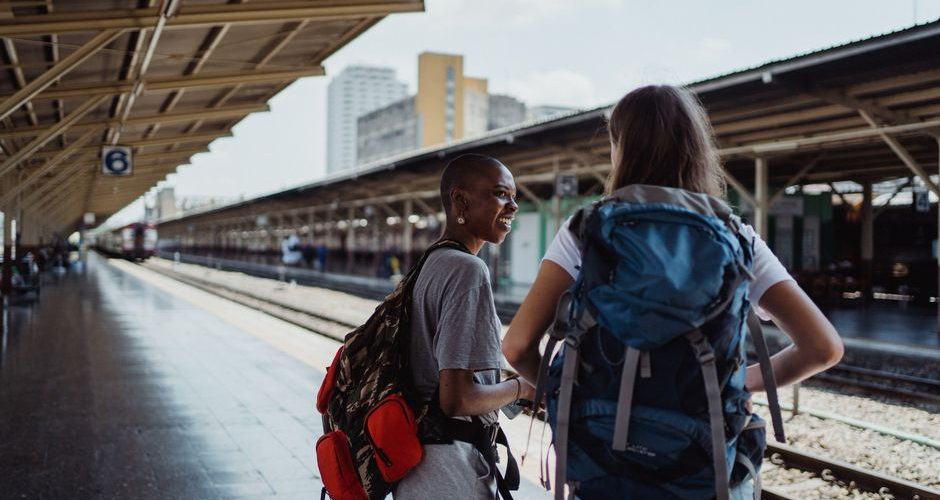
Why does solo travel feel harder than it should be? You know the logistics. You’ve read the guides. You’ve watched the YouTube walkthroughs. But the night before the flight, your chest tightens and your brain floods with worst-case scenarios. Japan is the one country where the infrastructure itself does half the emotional labor for you. Here’s what actually works.
Why Japan Is the Logical First Choice for Anxious Solo Travelers
Japan ranks consistently in the top five safest countries for solo travelers, according to the Global Peace Index. Violent crime against tourists is rare. Theft is rare. Lost wallets get returned to police boxes with cash intact. That’s not marketing fluff. The koban (police box) system means there’s a police outpost within walking distance in every urban neighborhood. You will see them. They are not intimidating. You can walk in, point at a map, and get directions.
But safety isn’t the only anxiety trigger. It’s the social friction. Ordering food. Reading signs. Figuring out transit. Japan’s public systems are designed to minimize ambiguity. Train platforms have numbered boarding positions. Ticket machines have English toggles. Vending machines sell hot coffee in cans. You can go an entire day without speaking to another human being and still eat well, navigate efficiently, and see incredible things.
The Suica card (or ICOCA in the Kansai region) is a reloadable transit card that works on trains, buses, convenience stores, and some vending machines. You tap in, tap out. No ticket math. No language barrier. Load it with ¥5,000 at the airport and you’ve solved 80% of your transit anxiety before leaving the terminal.
| Anxiety Trigger | Japan’s Built-in Fix | Specific Tool/System |
|---|---|---|
| Getting lost | Numbered exits, English signage, station staff | Google Maps + Suica card |
| Language barrier | Visual menus, ticket machines with English | Google Translate camera mode |
| Eating alone | Counter seating, solo dining normalized | Ichiran ramen, conveyor belt sushi |
| Safety concerns | Koban police boxes, low crime rate | Japan Official Travel App safety alerts |
| Money confusion | Cash still king, ATMs in convenience stores | 7-Eleven ATMs accept foreign cards |
Bottom line: Japan removes the ambiguity that feeds anxiety. You still have to show up. But the system catches you when you wobble.
The 72-Hour Rule: How to Structure Your First Days
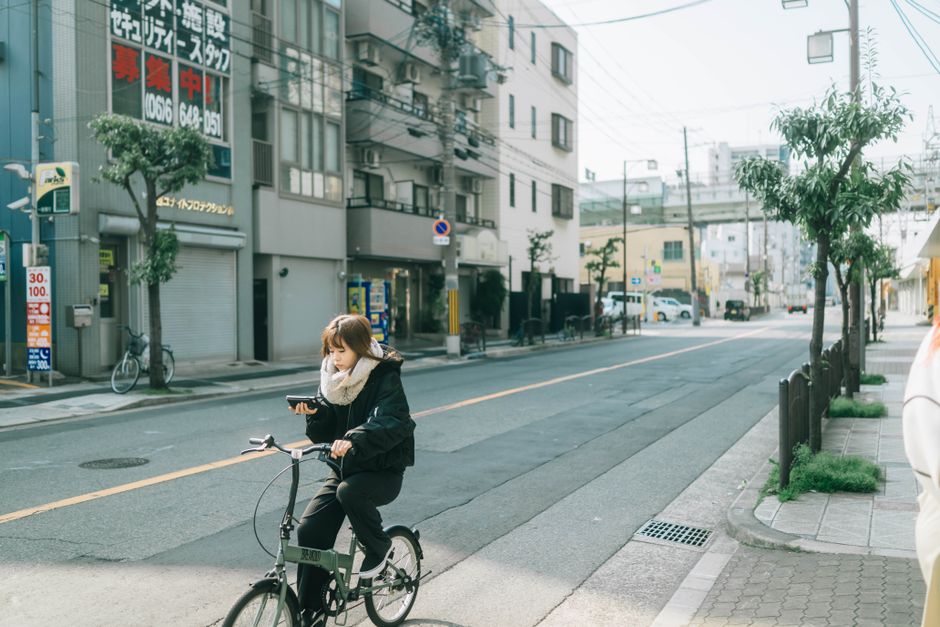
Do not plan a 14-day multi-city itinerary for your first solo trip. That’s how you burn out by day four. The first 72 hours should be low-stakes, high-reward, and geographically contained. Stay in one city. Pick a neighborhood with direct airport access. Build a routine.
Day 1: Arrival and Immediate Anchoring
Fly into Haneda Airport (HND), not Narita. Haneda is closer to central Tokyo — about 30 minutes to Shinjuku or Shibuya versus 60-90 minutes from Narita. Take the Tokyo Monorail or Keikyu Line. Check into your hotel. Do not book an Airbnb for your first solo trip. Hotels have front desks, luggage forwarding, and someone to ask questions. The Tokyu Stay Shinjuku chain has in-room washing machines and 24-hour front desk service. That’s one less thing to figure out.
First night: walk to a convenience store. Lawson, 7-Eleven, FamilyMart. Buy water, onigiri, a hot tea. That’s your first successful solo task. It sounds trivial. It’s not. It builds the muscle memory of navigating alone.
Day 2: One Neighborhood, No Transfers
Pick one neighborhood and stay there all day. Ueno is ideal. Ueno Park, Tokyo National Museum, Ameyoko shopping street, and dozens of casual restaurants are within a 15-minute walk. No train transfers. No time pressure. You can retreat to your hotel in ten minutes if you feel overwhelmed.
Day 3: First Real Transit Test
Now take one train line. The Yamanote Line is a loop — you literally cannot get permanently lost. Ride it one full loop. Get off at a station that looks interesting. This is exposure therapy with guardrails. The train announces every stop in English and Japanese. Digital displays show the next station. If you miss your stop, the loop brings you back.
This structure works because it respects your nervous system’s limits. You’re not throwing yourself into chaos. You’re building tolerance in controlled increments.
Eating Alone in Japan Is the Norm, Not the Exception
Western solo travelers often dread restaurant dining. Will people stare? Will the server seat you at a sad corner table? Japan has an entire dining infrastructure built for solo eaters. Ichiran Ramen gives you a private booth with dividers. You order via vending machine. You never speak to anyone. The noodles appear through a curtain. It’s not lonely. It’s efficient.
Conveyor belt sushi chains like Sushiro and Kura Sushi let you grab plates at your own pace. Touchscreen ordering has English. You pay by plate count. No interaction required. Counter seating at ramen shops, curry houses like CoCo Ichibanya, and tempura spots is standard. Solo diners outnumber groups at lunch.
If you want zero social friction, convenience store food in Japan is genuinely good. Onigiri, egg salad sandwiches, bento boxes, hot fried chicken. You can eat in your hotel room. No shame. No judgment. This is a legitimate strategy for day one and two.
The real barrier isn’t the restaurant. It’s your belief that eating alone is pathetic. In Japan, it’s Tuesday.
Language Anxiety: You Need Less Japanese Than You Think
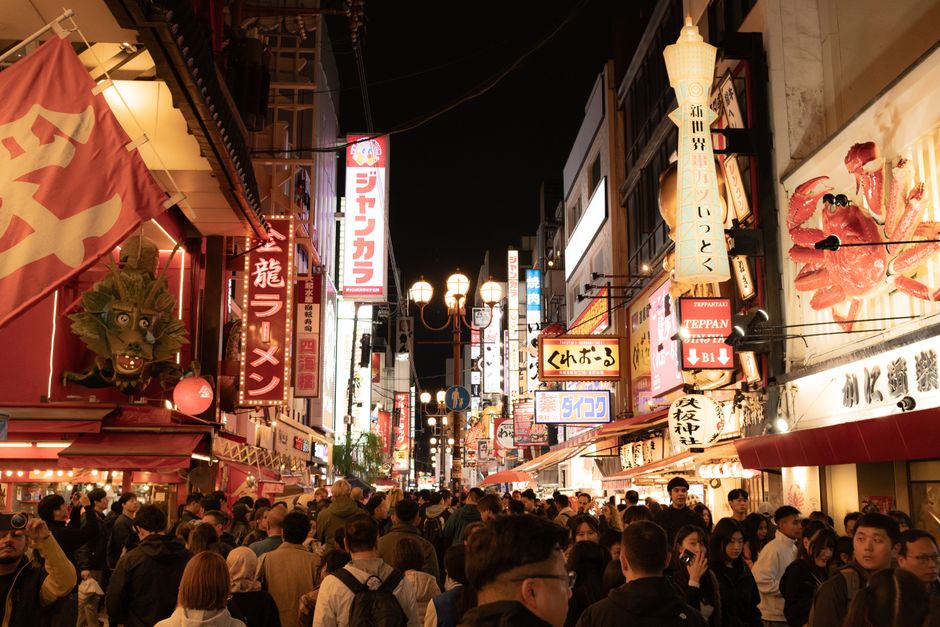
You do not need to be conversational in Japanese to travel solo in Japan. You need four phrases and one app. The phrases: sumimasen (excuse me/sorry), arigatou gozaimasu (thank you), eigo no menyuu wa arimasu ka (is there an English menu), and toire wa doko desu ka (where is the toilet). That’s it. Everything else is handled by technology or pointing.
Google Translate camera mode reads menus, signs, and product labels in real time. The Japan Official Travel App has offline maps, disaster alerts, and phrase guides. For deeper communication, the Pocketalk translator device ($250) handles two-way voice translation in 82 languages. It’s overkill for most travelers, but if language anxiety is your primary blocker, it’s a legitimate tool.
Most train station staff in Tokyo and Osaka know basic English. Hotel front desks definitely do. Convenience store clerks will point at the total on a screen. You can nod, tap your Suica, and leave. The transaction completes without words.
What actually causes language anxiety is the fear of being misunderstood and causing inconvenience. Japanese service culture is patient. Nobody will yell at you for being slow. Nobody will roll their eyes. The worst outcome is a polite bow and a hand gesture. That’s survivable.
When NOT to Push Through: Managing Panic on the Road
Solo travel advice often sounds like toxic positivity: “Just do it scared!” That’s not useful. Here’s the actual protocol for when anxiety spikes mid-trip.
First, identify whether this is physical exhaustion or genuine panic. Solo travel is overstimulating. Noise, crowds, decision fatigue, jet lag. Sometimes the fix is a nap and a vending machine coffee. Sometimes it’s deeper.
If you’re having a panic attack in a train station: find a bathroom. Sit in the stall. Breathe for five minutes. No one is watching you. Train station bathrooms in Japan are clean, private, and everywhere. This is your emergency reset room.
If you’re lost and overwhelmed: find a convenience store. They’re on every corner. Buy a drink. Stand by the window. Reorient. Use Google Maps. If that fails, walk into any hotel and ask the front desk for directions. They will help even if you’re not a guest.
If you need to abandon the day’s plan: do it. Go back to the hotel. Watch Japanese TV. Eat convenience store food. A “wasted” day is not a failure. It’s a recovery day. Your itinerary is a suggestion, not a contract.
The failure mode here is pushing through when your body is screaming to stop. That’s how solo trips become miserable. You’re not proving anything by suffering. You’re teaching your brain that travel is dangerous. Stop early. Reset. Try again tomorrow.
What You’ll Actually Learn About Yourself
Here’s what nobody tells you about solo travel anxiety: it doesn’t disappear. It shrinks.
You will feel anxious on day one. Maybe day two. But by day four, you’ll notice something. You ordered food without rehearsing the phrase. You navigated a train transfer without checking the map three times. You walked into a store just to look. These small wins compound.
The anxiety wasn’t about Japan. It was about your belief that you couldn’t handle being alone in an unfamiliar place. Japan just happens to be the gentlest place to test that belief. The infrastructure holds you up. The culture doesn’t punish mistakes. The food is accessible. The transit is logical.
You come back with more than photos. You come back with evidence. Evidence that you can be uncomfortable and still function. Evidence that your brain’s worst-case scenarios rarely match reality. Evidence that you are more capable than your anxiety lets you believe.
That evidence doesn’t expire. It’s the foundation for every solo trip after this one. The next country won’t be as easy. But you’ll know you can do hard things. Japan taught you that.