Company-Employed vs. Independent Backpacking Guide Jobs: Which Path Secures Your Future? 2026
04/03/2026
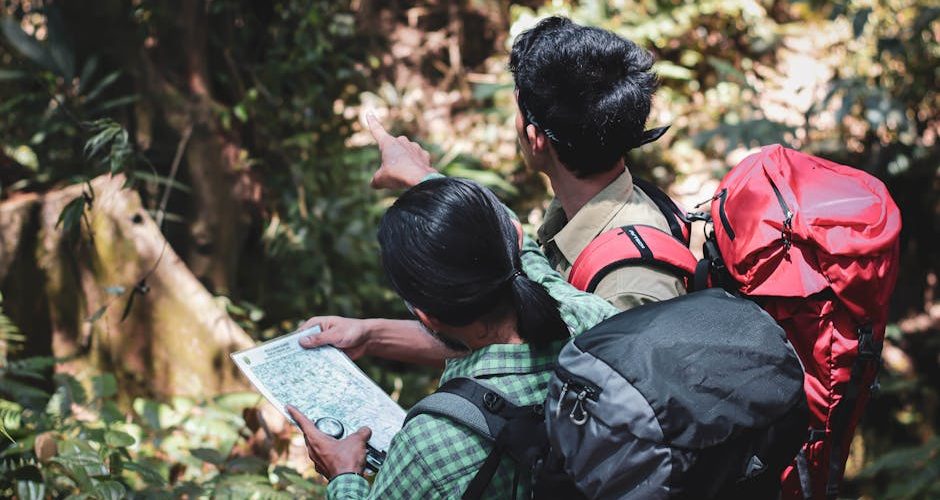
If you’re eyeing a career as a backpacking guide, the single most critical decision you’ll make in 2026 isn’t which trail to hike, but whether to pursue employment with an established outfitter or strike out as an independent contractor. My years on the trail, navigating everything from client emergencies to permit renewals, have taught me this: for stability and a clear progression path, a reputable company often provides a stronger foundation, especially early in your career. However, the freedom and potential for higher earnings as an independent guide are undeniable once you’ve built your reputation and understand the intricate legal landscape. It’s a trade-off between immediate security and long-term autonomy, and the right choice hinges entirely on your risk tolerance and entrepreneurial spirit.
Understanding the Landscape of Backpacking Guide Employment
Before you commit to a particular path, it’s essential to grasp the fundamental differences between working for an established guiding company and operating as an independent contractor. I’ve personally experienced the nuances of both, and each comes with its own set of advantages and challenges that directly impact your daily work and long-term career trajectory. My early years were spent almost exclusively with outfitters, a decision I still stand by for anyone just getting their boots wet in the professional guiding world.
Company Roles: Structure and Support
Working for a guiding company means slotting into a pre-existing structure. This typically involves a clear job description, defined itineraries, and a supportive logistical framework. When I guided for a prominent outfitter in the Pacific Northwest, they handled everything from marketing and client bookings to providing group gear and managing permits for federal and state lands. My primary focus could remain squarely on leading safe, engaging trips. This setup is invaluable for new guides. You learn best practices, risk management protocols, and client communication skills under the mentorship of experienced professionals, often without the overhead anxieties of running a business. Expect roles ranging from assistant guide to lead guide, with opportunities for advancement into operations or staff training.
Independent Guiding: Autonomy and Ambiguity
Shifting to independent guiding felt like a leap into the unknown, but the appeal of complete autonomy was powerful. As an independent guide, you are essentially a small business owner. You design your own trips, set your rates, and decide who your clients are. The freedom to explore niche areas or create bespoke adventures is unparalleled. However, this autonomy comes with significant responsibilities. You become responsible for all marketing, client acquisition, insurance, permits, gear maintenance, and emergency planning. It’s a rewarding path for those with a strong entrepreneurial drive and a robust professional network, but it demands a different set of skills beyond just wilderness proficiency. The ambiguity of inconsistent work can be a real challenge, particularly during off-seasons or economic downturns.
Hybrid Models: Seasonal Contracts and Side Gigs
It’s important to recognize that the guiding world isn’t always black and white. Many guides, myself included, have found success in hybrid models. This might involve working seasonal contracts with different companies in diverse regions – perhaps leading summer trips in Alaska and winter expeditions in Patagonia. Or, you might maintain a core employment with an outfitter while offering independent, smaller-scale trips on the side, carefully navigating potential conflicts of interest and permit requirements. This approach allows for diversified income streams and skill development, providing a balanced exposure to both the stability of company work and the flexibility of independent operations. I found this particularly useful for maintaining an income during shoulder seasons when full-time employment was scarce.
Essential Certifications and Training: My Non-Negotiables for 2026

No matter which path you choose in 2026, certain certifications are non-negotiable. I’ve seen too many promising careers stall because guides cut corners on their training. These aren’t just pieces of paper; they are the foundational skills that ensure client safety and your professional credibility. They are the tools that allow you to confidently respond when the unexpected happens miles from the nearest road. Investing in these is investing in your future, regardless of your employment structure.
Wilderness First Aid Credentials: WFR vs. WEMT
The absolute cornerstone of any professional guiding career is robust wilderness medicine training. For backpacking guides, this almost universally means a Wilderness First Responder (WFR) certification. A standard WFR course typically runs 7-10 days and covers critical topics like patient assessment, trauma management, environmental emergencies, and basic splinting in remote settings. The cost generally ranges from $700 to $1000. It’s a comprehensive course, and its biannual recertification requirement keeps your skills sharp. For those seeking even higher credentials, a Wilderness Emergency Medical Technician (WEMT) course integrates urban EMT training with wilderness-specific protocols, often requiring 3-4 weeks of intensive study and costing upwards of $2,000 to $3,500. While a WFR is the industry standard for most backpacking trips, a WEMT offers an advanced level of care, particularly valuable for longer, more remote expeditions or if you aspire to lead trips in extreme environments. I earned my WEMT early on, and while it was a significant investment, the confidence it instilled was priceless.
Leave No Trace Master Educator: Beyond the Principles
Understanding and practicing Leave No Trace (LNT) principles is fundamental for any guide. However, simply knowing the seven principles isn’t enough; actively teaching and embodying them is paramount. This is why I advocate for guides to pursue a LNT Master Educator course. This 5-day, field-based course goes beyond basic awareness, equipping you with the pedagogical skills to effectively educate clients on minimum impact practices. It delves into the ethics of wilderness travel, current research on impact mitigation, and strategies for presenting LNT information in a compelling way. Typically costing between $500 and $800, this certification elevates you from a practitioner to an advocate and teacher, which is precisely what clients expect from a professional guide in 2026. It’s not just about doing no harm; it’s about actively promoting responsible wilderness stewardship.
Specialized Skills and Certifications
While WFR and LNT are universal, additional certifications can significantly enhance your marketability and expand your guiding repertoire. Depending on your target region or trip type, consider certifications in specific technical skills. If you plan to guide in areas with river crossings or potential swiftwater hazards, a Swiftwater Rescue Technician course (typically 3-4 days, $400-$600) is a wise investment. For guiding in mountainous terrain that might involve glacier travel or technical scrambling, American Mountain Guides Association (AMGA) courses, such as the Single Pitch Instructor (SPI) or even more advanced Alpine Guiding courses, are highly respected but come with significant time and financial commitments. Even something like a Certified Interpretive Guide (CIG) certification, focusing on natural and cultural history interpretation, can add immense value to your tours, transforming a simple hike into an enriching educational experience for your clients. These aren’t always mandatory but show a commitment to continuous professional development.
Navigating Compensation and Benefits: What to Expect from Guide Work
The financial realities of guiding are often a rude awakening for newcomers. While the allure of spending your days in stunning landscapes is strong, it’s a job, and like any profession, understanding compensation, benefits, and how to maximize your earnings is crucial for long-term sustainability. I’ve seen guides burn out not from physical exertion, but from financial strain. Here’s what I’ve learned about the money side of things in 2026.
Typical Salary Ranges: Company vs. Independent
When you work for a company, your daily rate is usually predetermined. I’ve observed that company-employed backpacking guides can expect to earn between $150 and $300 per day, depending on their experience, the company’s reputation, and the region. This rate often includes compensation for pre-trip prep and post-trip cleanup. Independent guides, on the other hand, have the potential for significantly higher gross earnings, often charging $300 to $600+ per day. However, it’s vital to remember that an independent guide’s gross earnings must cover all business expenses: insurance, permits, marketing, gear, and self-employment taxes. What looks like a higher daily rate often translates to a comparable, or even lower, net income once all overhead is accounted for.
Benefits Beyond the Paycheck
Beyond the direct daily rate, benefits vary wildly. Company employment might offer some perks. Many outfitters provide group gear such as tents, stoves, and emergency communication devices, saving you thousands in personal investment. Some larger companies might even offer basic health insurance plans, though often these are limited or only available after a certain number of hours. Gear allowances or pro deals on outdoor equipment are common and incredibly valuable. Training opportunities, paid professional development, and mentorship are significant non-monetary benefits of company employment. As an independent guide, you are responsible for sourcing all your own gear, securing health insurance (which can be a substantial annual cost, often $4,000-$8,000 for a decent plan), and funding all your own professional development. Tips are a major component of a guide’s income. Company guides often pool tips, which are then distributed among the team. Independent guides keep 100% of their tips, directly from the client, which can be a significant motivator.
| Aspect | Company-Employed Guide | Independent Guide |
|---|---|---|
| Daily Rate (Gross) | $150 – $300 | $300 – $600+ |
| Tips Potential | Often shared, variable | 100% yours, direct from client |
| Gear Provided | Often substantial (tents, stoves) | Self-provided, expense of business |
| Health Insurance | Sometimes offered (rarely full) | Self-sourced, significant cost |
| Permits/Insurance | Handled by company | Your responsibility, significant overhead |
| Marketing | Handled by company | Your responsibility, time & cost |
| Training | Often subsidized/provided | Self-funded, personal investment |
Maximizing Earnings: Strategies for Seasoned Guides
For experienced guides, maximizing earnings involves more than just higher rates. For company guides, taking on leadership roles, specializing in high-demand trips, or becoming a trainer can boost your income. For independent guides, the strategy is about perceived value and efficiency. Cultivating a niche (e.g., photography tours, women’s specific trips) allows you to command premium pricing. Efficient marketing, streamlined booking processes, and managing expenses meticulously directly impact your net profit. Upselling additional services, like pre-trip consultations or post-trip photo packages, can add to your take-home pay. I’ve found that building a strong reputation for exceptional client care also leads to repeat business and valuable word-of-mouth referrals, reducing your marketing spend and securing your client base for years to come.
Permitting and Legalities: Protecting Yourself as an Independent Guide
This section is perhaps the most overlooked, yet most critical, for anyone considering independent guiding. Operating without proper permits and insurance isn’t just risky; it’s illegal and can lead to severe financial and legal repercussions. When I first considered going independent, the sheer complexity of permits nearly made me reconsider. It’s a maze, and understanding it is paramount for protecting your future as a guide in 2026.
Federal and State Land Permits: Navigating Bureaucracy
If you plan to guide on public lands – and most backpacking trips do – you will need commercial permits from the managing agencies. This includes the National Park Service (NPS), U.S. Forest Service (USFS), and the Bureau of Land Management (BLM), as well as various state park systems. These permits are not easily obtained. They are often quota-based, meaning only a limited number are issued, and existing permit holders often have priority. The application process can be lengthy, taking months or even years, and involve detailed operating plans, environmental assessments, and proof of insurance. Annual fees can range from a few hundred dollars to several thousand, often including a percentage of your gross revenue. Some permits are incredibly competitive and might require a decade on a waiting list. Trying to guide commercially without these permits is a serious offense that can result in hefty fines, confiscation of equipment, and a permanent ban from operating on public lands.
Insurance Essentials: Liability and Medical Coverage
Operating as an independent guide without comprehensive insurance is akin to playing Russian roulette with your financial future. You need robust commercial general liability insurance, specifically tailored for outdoor guiding activities. This protects you in case a client is injured or claims negligence. Policies typically start around $1,500 to $3,000 per year for adequate coverage ($1M-$2M per occurrence) and vary based on your activities and risk profile. Beyond liability, you absolutely must have personal health insurance. As an independent contractor, you won’t have an employer providing this, and a backcountry emergency could quickly lead to six-figure medical bills. Disability insurance is also a smart consideration, as an injury that prevents you from guiding could cripple your income. Never assume your clients’ personal insurance will cover everything; your responsibility is to ensure your business and your personal well-being are adequately protected against the inherent risks of wilderness travel.
Structuring Your Business: LLCs and Sole Proprietorships
Before you even think about permits or insurance, consider the legal structure of your independent guiding business. Most independent guides start as a sole proprietorship, which is the simplest to set up but offers no personal liability protection. This means your personal assets are at risk if your business is sued. I strongly recommend forming a Limited Liability Company (LLC). An LLC separates your personal assets from your business liabilities, offering a crucial layer of protection. While there are initial setup costs (typically $100-$500, plus annual state fees), the peace of mind and legal security it provides are invaluable. Consult with a business attorney or a reputable small business resource to determine the best structure for your specific guiding operation, ensuring you comply with all state and federal regulations from the outset.
Building Your Guiding Reputation: From Novice to Sought-After Expert
Whether you’re with a company or forging your own path, your reputation is your most valuable asset. It’s built on a foundation of safety, professionalism, and consistently delivering exceptional experiences. I learned early on that clients remember how you make them feel, not just the miles you cover. Cultivating a stellar reputation is a continuous process that, over time, transforms you from an available guide into a sought-after expert in 2026.
Cultivating Client Relationships: The Repeat Business Formula
At its heart, guiding is a service industry. You’re not just leading people through the wilderness; you’re facilitating an experience. My approach has always been to prioritize clear communication, active listening, and anticipating client needs. This means managing expectations about trail conditions, group dynamics, and trip difficulty before the trip even starts. During the trip, it’s about creating a supportive, inclusive, and fun environment while maintaining paramount safety. Going the extra mile – perhaps preparing a particularly delicious backcountry meal, sharing fascinating local history, or taking candid photos for them – transforms a good trip into an unforgettable one. These small gestures are what lead to glowing reviews, repeat bookings, and invaluable word-of-mouth referrals. I always aim to connect with clients on a personal level, understanding their goals and making sure they feel heard and valued.
Networking and Mentorship: Your Professional Ascent
No guide becomes an expert in isolation. Networking within the guiding community is essential. Attend industry conferences, join professional organizations like the National Outdoor Leadership School (NOLS) alumni network, or simply connect with other guides on social media or at local outdoor shops. These connections can lead to job opportunities, mentorship, and invaluable insights into different regions or guiding styles. Finding a mentor – an experienced guide who can offer advice, share wisdom, and provide constructive feedback – is one of the fastest ways to accelerate your professional growth. I was fortunate to have several mentors early in my career who taught me more than any classroom ever could, from nuanced navigation techniques to subtle ways of de-escalating group conflicts. Don’t be afraid to ask for advice; most seasoned guides are happy to share their knowledge.
Online Presence: Websites, Social Media, and Reviews
In 2026, a strong online presence is no longer optional; it’s a necessity for any professional guide, especially independents. A professional website showcasing your experience, certifications, trip offerings, and stunning photography is your digital storefront. Utilize social media platforms like Instagram or Facebook to share captivating stories from your trips, engage with your audience, and build a community around your brand. Crucially, actively solicit and manage online reviews on platforms like Google Business Profile or TripAdvisor. Positive reviews build trust and credibility, acting as powerful testimonials for future clients. Address any negative feedback professionally and constructively. Your online persona should reflect your professional, reliable, and adventurous guiding spirit, providing a window into the incredible experiences you offer.
The Long-Term Play: Career Progression and Sustainable Guiding
Guiding is more than a seasonal job; for many, it’s a calling and a lifelong career. However, the physical demands, irregular hours, and seasonal nature can take a toll. To sustain a long and fulfilling career, you need a long-term strategy that addresses skill diversification, burnout prevention, and financial planning. I’ve seen too many passionate guides burn out after a few intense seasons, and avoiding that fate requires intentional effort.
Diversifying Your Skillset: Beyond Just Backpacking
Relying solely on backpacking trips can limit your income and opportunities, especially during shoulder seasons or in regions with short hiking windows. Consider diversifying your skillset to become a more versatile outdoor professional. This could mean obtaining certifications for ski touring, rock climbing, flatwater paddling, or even becoming a certified ropes course facilitator. Many guides transition into outdoor education roles, leading youth programs or college expeditions. Consulting for outdoor gear companies, writing for outdoor publications, or offering wilderness risk management advice are also viable avenues. The more skills you acquire, the more adaptable you become, opening up new income streams and extending your working season beyond just the summer months. I diversified into winter guiding and outdoor photography, which allowed me to stay employed year-round and broaden my expertise.
Burnout Prevention: Managing Physical and Mental Demands
Guiding is physically and mentally demanding. Long days on the trail, carrying heavy packs, managing diverse group dynamics, and being constantly “on” for clients can lead to rapid burnout. Prioritizing self-care is not a luxury; it’s a necessity. This means building in adequate rest days between trips, maintaining a healthy diet and exercise routine, and having hobbies outside of guiding that allow you to decompress. Establishing strong boundaries with clients and employers regarding your availability is also crucial. Recognize the signs of mental fatigue – irritability, lack of motivation, or a diminished enjoyment of the wilderness – and take proactive steps to address them, whether through therapy, meditation, or simply taking a genuine break from the trail. I learned the hard way that pushing too hard inevitably leads to a crash, impacting both my performance and my passion.
Retirement and Future Planning: Beyond the Trail
Given the often-seasonal and contract-based nature of guiding, traditional employer-sponsored retirement plans are rare. This means you are solely responsible for your long-term financial security. Start saving and investing early. Open a Roth IRA or a SEP IRA if you’re an independent contractor, contributing regularly. Understand that guiding might not be a career you can physically sustain into your 60s or 70s, at least not in its most strenuous forms. Plan for a “second career” or a transition into less physically demanding roles within the outdoor industry, such as operations management, guiding instructor, or outdoor gear sales. Consider real estate investments or other passive income streams. Think about how your guiding skills – leadership, problem-solving, risk management – can translate into other professions. A sustainable guiding career isn’t just about the next trip; it’s about setting yourself up for a secure and fulfilling life long after your last client steps off the trail.
Ultimately, whether you choose the structured path of company employment or the entrepreneurial journey of independent guiding, the core values remain constant: safety, client experience, and a deep respect for the wilderness. I’ve seen guides thrive in both environments, but my strongest recommendation, particularly if you’re just starting out, is to gain invaluable experience under the wing of a reputable outfitter. Learn the ropes, build your network, and understand the practicalities before shouldering the entire operational burden yourself. That initial choice, between the security of an established company and the calculated risk of independence, isn’t about right or wrong; it’s about setting yourself up for a long, fulfilling career where you can confidently lead others into the wild, year after year, well into 2026 and beyond.