Is it safe to travel to Egypt?
02/04/2023
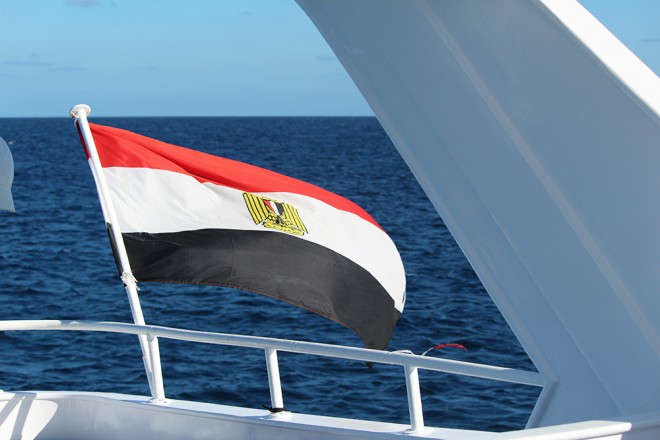
Egypt gets a reputation it doesn’t entirely deserve. The media image of a dangerous, unstable destination clashes hard with the reality most tourists experience — ancient temples, genuinely warm locals, and a tourism infrastructure that’s handled millions of visitors for decades. But Egypt has real risk zones too, and glossing over them would be a disservice.
I’ve spent time in Cairo, Luxor, and along the Red Sea coast, and talked to dozens of travelers who’ve done the circuit. Here’s what the safety picture actually looks like right now.
The Real Safety Picture: Perception vs. Reality
Egypt’s threat level gets unfairly conflated with broader regional instability in ways that aren’t accurate. The major tourist areas — Cairo, Luxor, Aswan, Hurghada, the Red Sea coast — are genuinely stable and heavily policed. Egypt’s tourism industry contributes roughly $13 billion to GDP annually, and the government takes tourist security seriously in those areas. You’ll see tourist police at major sites, checkpoints on approach roads, and security protocols at internationally-facing hotels.
Where the Risk Actually Is Low
Violent crime targeting tourists is rare. When it does happen, it makes international news precisely because it’s uncommon. The daily friction is almost entirely non-violent: aggressive vendors, persistent touts, scam attempts at major sites. Annoying, yes. Dangerous, not really. The political instability of the 2011 era — mass protests, tear gas in central Cairo — doesn’t exist right now. Egypt’s political environment is tightly controlled, which cuts both ways, but as a tourist you’re not wandering into street unrest.
The Sinai Problem
North Sinai is a different story entirely. An active insurgency has operated there since 2013, with groups affiliated with ISIS carrying out attacks on Egyptian military and police. This is not a tourist destination and hasn’t been for years. South Sinai — where Sharm el-Sheikh and Dahab sit — is more stable but still carries elevated risk compared to mainland Egypt. Western governments persistently advise against all but essential travel to South Sinai. That distinction between North and South Sinai matters enormously when reading advisories.
The honest framing: if you travel the main corridor — Cairo to Luxor to Aswan to the Red Sea — you’re visiting one of the world’s most-visited destinations with a risk profile comparable to Morocco or Turkey, not Libya or Sudan. Geography determines your exposure more than any single headline.
Egypt Region by Region: Safe Zones and Where to Skip
The risk profile varies sharply depending on where you go. Here’s a direct breakdown before you plan anything:
| Region | Safety Level | Key Sites | Verdict |
|---|---|---|---|
| Cairo | Moderate — generally safe | Pyramids, Egyptian Museum, Khan el-Khalili | Go. Stay alert in crowds at tourist sites. |
| Luxor & Aswan | Low risk | Valley of the Kings, Karnak Temple, Abu Simbel | Go. Among the safest tourist zones in Egypt. |
| Nile Cruise (Luxor–Aswan) | Low risk | Edfu, Kom Ombo, Philae temples | Go. Well-managed and structured experience. |
| Hurghada / Red Sea Coast | Low risk | Diving, snorkeling, beach resorts | Go. Resort-heavy and internationally oriented. |
| South Sinai (Sharm el-Sheikh, Dahab) | Elevated — check current advisories | Beaches, diving, St. Catherine’s Monastery | Caution. Most tourists visit without incident, but advisories persist. |
| North Sinai | High risk — active insurgency | — | Do not go. A genuine no-go zone. |
| Western Desert / Siwa Oasis | Moderate — remote terrain | Siwa Oasis, White Desert, Black Desert | Go with a licensed operator only. Don’t venture off-road solo. |
| Libya & Sudan border regions | High risk | — | Avoid entirely. |
The core tourist triangle — Cairo, Luxor, Aswan — runs without major incidents year after year. That’s your low-friction baseline, and where most itineraries should start.
The Five Scams That Hit Tourists Every Time
Egypt’s scam economy is persistent and well-practiced. None of it is violent, but going in unprepared makes the whole trip exhausting. These are the five you’ll actually encounter:
- The “free gift” setup at the Pyramids — Someone offers to take your photo or hands you a small gift (papyrus, a scarf, a carved camel). Then comes the demand for payment — or they put you on a camel and refuse to bring it down until you pay. The rule: decline everything unsolicited at tourist sites. Say no once, clearly, and keep walking without slowing down.
- The inflated taxi fare — Taxis without meters in Cairo will quote two to four times the going rate. The fix is simple: use Uber or Careem. Both apps work reliably in Cairo, show the price upfront, and eliminate negotiation entirely. For any non-app taxi, agree on the fare before you get in.
- The “museum is closed today” redirect — A friendly stranger tells you your destination is closed — a national holiday, renovation, a special ceremony. They offer to show you somewhere better, which turns out to be a relative’s papyrus shop. Nothing is ever coincidentally closed. Walk past them without engaging.
- Unlicensed “guides” at Luxor and Karnak — Unofficial touts attach themselves to visitors outside major sites. Their historical information is often wrong, and they’ll expect significant payment for services you didn’t agree to. Book guides in advance through your hotel or through licensed operators like Intrepid Travel or G Adventures, both of which vet their local guide network.
- Currency confusion — Vendors sometimes quote prices without specifying currency, then collect as though they quoted dollars or euros rather than Egyptian pounds (EGP). The gap is enormous at current exchange rates. Always confirm explicitly: “Is that Egyptian pounds?” before any transaction.
The locals running these setups are professionals who read hesitation well. Confidence and clear refusals work better than politeness. None of it is dangerous — just friction you can eliminate by knowing it’s coming.
What Official Travel Advisories Actually Tell You
The US State Department rates Egypt as Level 2 (“Exercise Increased Caution”), with a Level 4 (“Do Not Travel”) carve-out specifically for North Sinai. The UK FCDO advises against all travel to North Sinai and against all but essential travel to South Sinai. Level 2, for context, is the same rating currently applied to France, Germany, and Japan — so read the regional specifics rather than stopping at the headline number.
When Egypt Genuinely Isn’t the Right Trip
There are situations where you should skip it, delay it, or reroute.
If your itinerary includes North Sinai — full stop. There is no tourist reason to go there, and the security situation has been genuinely dangerous for years. If Sinai diving and beaches are the draw, go to Dahab or substitute with Hurghada on the Red Sea mainland and make peace with the South Sinai advisory.
Planning to drive or travel independently through the Western Desert without a registered guide and licensed vehicle is a different risk category than navigating a city. People have needed search-and-rescue operations in that terrain. The White Desert and Siwa Oasis are genuinely beautiful and worth visiting — but do it with an operator who knows the desert, carries GPS, and has emergency contacts. Solo off-road desert travel here isn’t the same as independent travel in Luxor.
Watch for shifting political conditions. Egypt’s situation can change fast — in 2011, the environment shifted within days. Check updated advisories from the FCDO and State Department a week before departure, not just when you book months out.
And if the prospect of persistent scam culture sounds exhausting rather than manageable, it’s worth naming Jordan as an alternative. Petra, Wadi Rum, and Aqaba offer similar historical depth with meaningfully less tourist-hustle friction. It’s not a better destination than Egypt — it’s a different one, and some travelers are better matched to it.
Practical Safety Habits in Egypt That Actually Work
Should I book a tour or go independent?
For first-timers, an organized tour removes most of the decision friction. Intrepid Travel runs small-group Egypt tours starting around $1,500–$2,200 for 8–12 days, including accommodation, licensed guides, and transport between sites. G Adventures has comparable pricing and a strong track record with solo travelers specifically. Both use guides registered with Egypt’s Ministry of Tourism. If you prefer going independent, Luxor and Aswan are the easiest cities to navigate solo — Cairo takes more street awareness and a higher tolerance for vendor pressure.
Do I need travel insurance for Egypt?
World Nomads covers Egypt including adventure activities like diving and desert trekking, and handles medical evacuation — which matters if you’re anywhere outside a major city. SafetyWing is cheaper and works better for longer stays or slow travel budgets. Don’t skip this. Egyptian public hospitals outside Cairo and the main tourist centers are not where you want to end up if something goes seriously wrong.
How should I handle cash and valuables?
Carry only what you need for the day. Keep the bulk of your cash in a money belt or your hotel safe, not a day bag. ATMs at Cairo International Airport and at major bank branches in tourist areas — Luxor, Aswan, Hurghada — are reliable. Avoid street money changers who approach you; the risk of counterfeit notes or shortchanging isn’t worth whatever rate they’re offering. Egypt is still largely cash-based, so plan to withdraw regularly rather than relying on card payments.
Is transportation within Egypt safe?
EgyptAir connects Cairo to Luxor, Aswan, and Hurghada with multiple daily flights — the fastest way to cover ground without losing days on the road. The airline’s overall safety record has had rough patches (the MS804 crash in 2016 remains a data point), and its current JACDEC safety rating puts it in the middle tier globally — not alarming, but not at the level of European carriers. Nile cruise boats on the Luxor–Aswan route are generally well-maintained. Night trains on the Cairo–Luxor corridor are slow but functional; the 10pm sleeping car is manageable if you book through Egypt’s official railway portal in advance.
Solo Female Travel in Egypt: The Honest Truth
What harassment actually looks like day-to-day
Street harassment in Egypt is common, particularly in Cairo. Catcalling, staring, and unwanted comments happen regularly in urban areas. It’s almost never physically threatening, but it’s persistent and wearing if you’re not prepared for it. Dressing conservatively — covered shoulders, loose pants or a long skirt — reduces the attention without eliminating it. A headscarf isn’t required but shifts how you’re perceived in more traditional neighborhoods and smaller cities.
Traveling with a guide or tour group for the first few days changes the experience significantly. Solo women navigating Cairo’s Khan el-Khalili bazaar or the streets around major archaeological sites will get more unsolicited approaches than in a group. That’s not a reason to avoid it — thousands of solo women visit Egypt every year without incident — but it requires more active energy management than destinations like Japan or Portugal.
The routes that work best for solo female first-timers
The Red Sea resort towns (Hurghada, the resort zones of Sharm el-Sheikh) are noticeably more relaxed than Cairo. The international tourist environment there means different dress norms and less ambient friction. The Nile cruise route from Luxor to Aswan is probably the single best introductory Egypt experience for a solo female traveler: contained environment, licensed guides, structured daily schedule, and significantly less street-level hassle than navigating cities independently.
Egypt’s tourism industry has made measurable efforts to improve the experience for female visitors over the past decade. The situation has genuinely gotten better. “Difficult” and “unsafe” aren’t the same thing, and conflating them undersells a destination that, for most travelers who prepare properly, delivers something genuinely hard to find anywhere else on earth.
Egypt’s tourism sector has been rebuilding hard after the pandemic-era collapse in visitor numbers, and the infrastructure — security, guide quality, harassment enforcement — tends to improve alongside recovery. Whether that trajectory holds through 2026 and beyond depends on regional stability and sustained investment. For now, Egypt remains one of the most historically dense destinations on the planet, and the gap between perceived risk and actual risk, for the main tourist corridor, is wider than most people think before they go.