Toddler Travel: Destinations That Actually Work
04/05/2026
Stressing about where to take your toddler on vacation? It’s a valid concern. Most travel advice misses the point: toddlers don’t care about culture or Michelin stars. They care about routine, space, and a predictable environment. Ignore that, and your “vacation” becomes a grueling test of endurance. Let’s cut through the noise and talk about what truly works.
Forget Grand Tours: Pick Your Battles Wisely
Listen, that dream of backpacking through Southeast Asia or doing a whirlwind European capital tour with a two-year-old? Ditch it. You’ll regret it. Toddlers thrive on routine and predictability. Long travel days, constant new environments, and disrupted sleep schedules are a recipe for disaster. Focus on one location, minimize transit, and maximize stability. Your sanity depends on it.
The goal isn’t to “see everything.” The goal is to survive, maybe even enjoy, a change of scenery without completely derailing your child (and yourselves). Think less “adventure,” more “controlled environment with new things to explore safely.”
Why Theme Parks Aren’t Always the Dream
Theme parks seem like a no-brainer for kids. Bright lights, characters, rides. But for toddlers? It’s often sensory overload, long lines, expensive food, and rigid schedules. Small children don’t have the patience for queues. They get scared by loud noises or oversized mascots. Plus, navigating crowds with a stroller and keeping a toddler contained is exhausting. A single full day at Disney can wipe out a family for a week. Unless your toddler is specifically obsessed with a character and you’re prepared for short visits and early exits, it’s often more stress than magic. Save the major theme parks for when they’re at least five or six. You’ll thank me later.
The Appeal of All-Inclusive Resorts (But Don’t Oversell It)
All-inclusive resorts, especially those with dedicated kids’ clubs and splash pads, offer a tempting promise: everything’s handled. Food, drinks, entertainment. For some, this is a godsend. You have a predictable environment, often with child-friendly pools and play areas. Many have cribs available and can accommodate dietary needs. However, don’t assume every resort is a perfect fit. Some kids’ clubs have age restrictions, or your toddler might not take to being left with strangers. The food can be hit-or-miss, and “local culture” is often nonexistent outside the resort gates. It’s a convenient bubble, sure, but it’s still a bubble. And sometimes, those bubbles burst if your toddler gets sick or just isn’t feeling it.
The Non-Negotiables: What Every Toddler-Friendly Spot Needs

When you’re picking a destination, stop thinking about what *you* want to see and start thinking about what your toddler *needs*. If you get these basics right, everything else is gravy. Miss them, and you’re looking at a miserable trip. It’s that simple. Prioritize these elements, always.
Safety First: Ditch the Cliff Edges and Busy Streets
Toddlers are curious, clumsy, and completely unaware of danger. Your travel destination needs to be inherently safe. Forget places with unfenced pools, balconies they can climb, or busy streets with no sidewalks. Look for places with clear sightlines, secure perimeters, and minimal immediate hazards. Think ground-floor accommodations, fenced yards, and pedestrian-friendly zones. If you’re constantly on edge about them falling, running into traffic, or touching something dangerous, you’re not relaxing. Choose somewhere you can breathe a little. This means avoiding many charming, but often precarious, European hillside towns or sprawling urban centers where traffic is king. Prioritize environments where a momentary lapse in supervision won’t lead to a trip to the emergency room.
Space to Roam: Indoors and Out
Toddlers have energy. Lots of it. They need room to run, jump, and explore without immediately bumping into furniture or getting shushed. A tiny hotel room is not enough. You need separate sleeping areas, or at least a large enough space for them to play while you relax. Look for accommodations with a living area, a small patio, or better yet, a private yard. Outside, access to safe, open spaces is critical. Parks, playgrounds, grassy areas, or quiet beaches are essential. If they can’t burn off steam, they’ll burn it off on your nerves. A confined, small space for days on end will make everyone irritable. The more space they have, the less they’re climbing you, and the less trouble they get into indoors. This isn’t a luxury; it’s a necessity.
Food & Sleep: Your Sanity Check
These are the pillars of toddler well-being, and by extension, yours. A place where you can easily prepare simple, familiar food is . This means access to a kitchen or at least a kitchenette. Relying solely on restaurant food or room service for every meal is expensive, limiting, and often unhealthy for a picky eater. Pack snacks from home, then buy basics locally. Next, sleep. A dark, quiet, separate sleeping area is non-negotiable. If your toddler can see or hear you, bedtime becomes a battle. A one-bedroom apartment or a villa with multiple rooms makes a world of difference. Don’t underestimate the power of a good night’s sleep for everyone involved. If you’re sharing a room, ensure there’s a closet or bathroom big enough for the crib to create a temporary, dark sleeping nook. Without these two, your trip will feel less like a vacation and more like a punishment.
Coastal Getaways and Farm Stays: Simple Wins
When in doubt, stick to these types of trips. They consistently deliver what toddlers (and their parents) need: space, simple entertainment, and a relaxed pace. You won’t be ticking off major landmarks, but you will be making memories that don’t involve meltdowns in museums.
The key here is low-stress, high-engagement activities. Toddlers don’t need elaborate excursions. They need sand, water, animals, and open fields. These options naturally provide those things.
The Uncomplicated Charm of a Beach House Rental
-
Direct Beach Access: No long treks with gear. Just walk out the door. Sand, sun, and shallow waves are endless entertainment.
-
Self-Catering: A full kitchen means familiar meals, snacks on demand, and saving money. No need to rush out for every meal.
-
Space & Privacy: A whole house means separate bedrooms, a living area for play, and often a private yard. Naps can happen without everyone whispering.
-
Predictable Environment: Once settled, the routine is easy: breakfast, beach, nap, repeat. Kids thrive on this.
Look for beach houses in smaller, less crowded coastal towns. Forget the mega-resorts. Think quiet communities with a local ice cream shop and a simple playground. Florida’s Gulf Coast, the Outer Banks in North Carolina, or even a simple rental on a quiet lake are ideal. The focus is on low-key outdoor fun.
Why a Rural Farm Stay Might Surprise You
-
Animal Interaction: Feeding chickens, petting goats, watching cows. This is pure magic for toddlers and naturally engaging.
-
Open Space: Fields to run in, dirt to dig. No traffic, few immediate dangers (with supervision). Just pure, unadulterated outdoor play.
-
Fresh Air & Quiet: Early mornings, peaceful evenings. Good sleep for everyone.
-
Educational & Calming: It’s a different pace. Less screen time, more observation. It can be surprisingly relaxing for parents too.
Farm stays are growing in popularity, especially in regions like Vermont, parts of England, or even rural Australia. Many offer self-catering cottages or rooms on working farms. It’s a chance to disconnect, enjoy nature, and watch your toddler be captivated by simple things. Just ensure the farm is genuinely family-friendly and has appropriate safety measures in place for visitors.
The One Destination Type to Absolutely Avoid
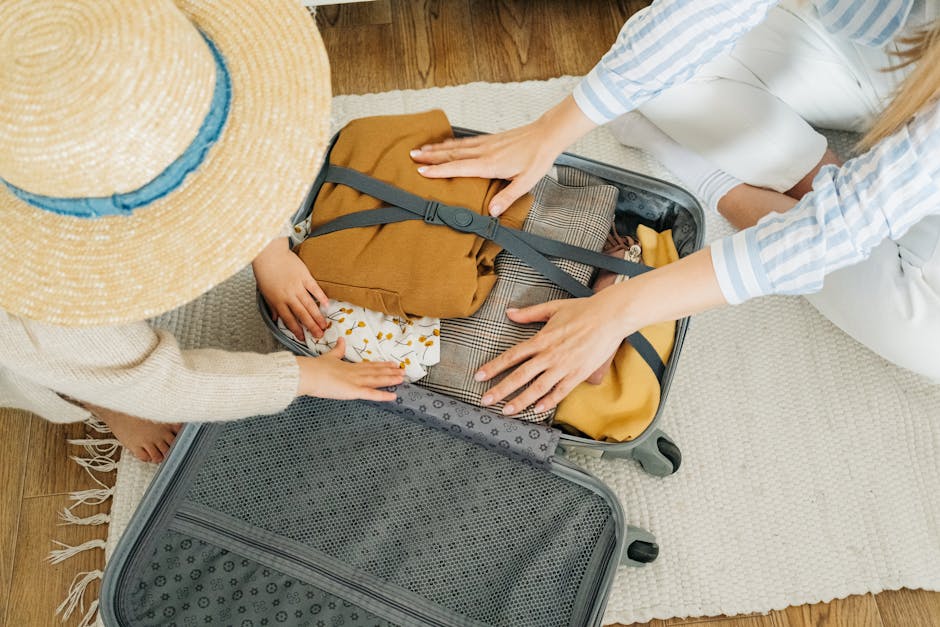
Don’t book a multi-city European tour or an ocean cruise ship with complex itineraries. Period. The constant packing, unpacking, rushing to catch trains or tours, and navigating crowded ports will break you. It’s not worth the struggle. Save those trips for when your kids are older, independent, and can appreciate what they’re seeing.
Comparing Family-Friendly Stays: Hotels, Villas, or Camping?

Your choice of accommodation makes or breaks the trip. Don’t just default to a hotel. Consider what each option truly offers (or lacks) when you have a toddler in tow. It’s not about luxury; it’s about functionality and ease.
| Accommodation Type | Space & Privacy | Food Flexibility | Toddler Friendliness | Overall Ease |
|---|---|---|---|---|
| Standard Hotel Room | Very Limited (single room, shared space) | Low (minibar, room service, eating out) | Low (confined, noise issues, no play space) | Moderate (cleaning, amenities, but stressful) |
| Private Villa / Apartment Rental | High (multiple rooms, living area, yard) | High (full kitchen, self-catering) | High (familiar environment, play areas, routine) | High (your pace, your rules) |
| Camping (Tent/RV) | Variable (open space, but cramped inside) | High (cook over fire, portable stove) | Moderate (nature fun, but weather, hygiene challenges) | Low (lots of setup, unpredictable) |
Hotels: Convenient, But Cramped
Hotels offer convenience: daily cleaning, room service, sometimes a pool. But for toddlers, a single room is a nightmare. Naps are difficult, bedtimes become a silent vigil for parents, and there’s nowhere for them to play without being directly underfoot. You’re forced to eat out constantly, which is expensive and often doesn’t cater to toddler palates. Unless you can afford a suite with separate rooms, or it’s a very short trip, a standard hotel room usually creates more stress than it solves. The lack of a kitchen is a huge hurdle for maintaining a healthy diet and snack schedule for a busy toddler.
Private Villas/Apartments: Your Best Bet
This is often the unsung hero of toddler travel. Renting a private villa, apartment, or even a house is usually the smartest move. You get multiple bedrooms, a full kitchen, a living area, and often a private outdoor space. This means separate sleeping areas for quiet nights, the ability to prepare familiar meals, and space for your toddler to play freely. It feels more like home, which is incredibly comforting for little ones. Look for properties with amenities like a washing machine, a fenced yard, or even a private pool (with proper safety barriers, of course). Sites like Airbnb or VRBO are excellent resources. This option allows you to stick to your routine, save money on food, and have genuine downtime. It removes so much of the logistical headaches inherent in traveling with a toddler.
Camping: Only for the Brave (And Prepared)
Camping with a toddler can be amazing, or it can be a disaster. The “amazing” part comes from the connection to nature, the low cost, and the sheer freedom. Toddlers often love being outdoors. The “disaster” part involves unpredictable weather, managing hygiene (especially diaper changes), lack of amenities, and trying to get a toddler to sleep in a tent. An RV can mitigate some of these issues, offering a more contained and comfortable space. However, it still requires significant planning and a willingness to rough it a bit. Don’t attempt this unless you’re an experienced camper and your toddler is already comfortable with outdoor environments. It’s a high-reward, high-risk option. If you do go, ensure your campsite has clean bathrooms and potable water access.
The bottom line: Prioritize predictability and space over elaborate itineraries, and everyone wins.