Yeti Carry-On Luggage: Understanding What Travel Demands
04/06/2026
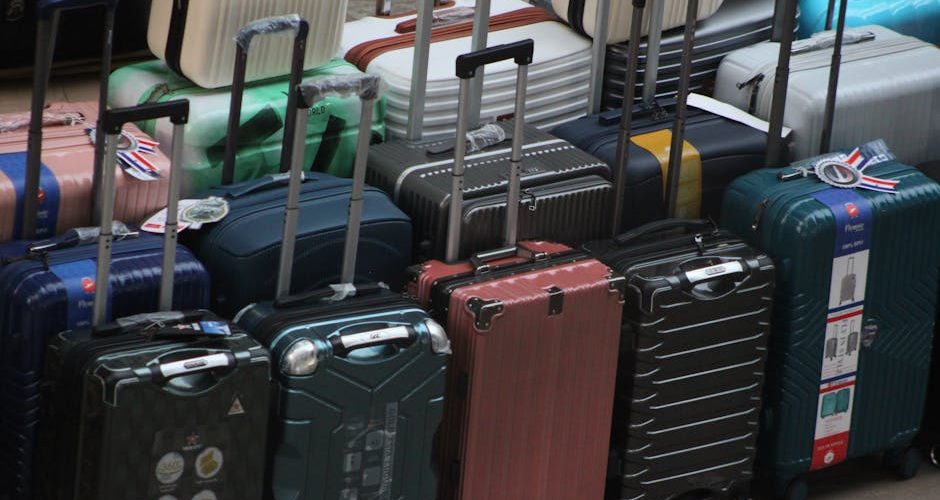
A common misconception leads many travelers to search for “Yeti carry-on luggage” expecting traditional rolling suitcases. Yeti is renowned for its rugged coolers and durable outdoor gear. While their products are built for tough conditions, their primary offerings are not designed as standard airline carry-ons. Instead, Yeti provides robust duffels and backpacks that can often fit carry-on requirements, but they are distinct from the wheeled luggage category most people associate with carry-on travel. Understanding this difference is crucial before investing in travel gear. The right carry-on balances airline restrictions with personal needs for durability, organization, and ease of transport. It’s about making an informed choice for your specific journey, not just picking a brand name.
Addressing the Yeti Carry-On Myth: What They Actually Offer
Let’s be clear: Yeti does not manufacture hard-sided, wheeled carry-on suitcases in the conventional sense. They don’t have spinner wheels or telescopic handles like a typical Samsonite or Away bag. This is a critical distinction for travelers accustomed to traditional luggage. However, Yeti does produce exceptionally tough bags perfectly capable of serving as carry-ons for those who prefer a different style of travel. Their offerings lean into the adventure travel and outdoor enthusiast market, prioritizing resilience and versatility over rigid structure.
Specifically, the Yeti Crossroads Duffel 40L and the Yeti Crossroads 27L Backpack are the closest you’ll get to a Yeti-branded carry-on. The Crossroads Duffel 40L, with its rugged TuffSkin Nylon and EVA molded bottom, is designed to withstand abuse. It features removable shoulder straps and internal mesh pockets. Its dimensions often fall within standard carry-on limits for many airlines, typically around 22 x 14 x 9 inches, though always verify current airline specifics. The Crossroads 27L Backpack is also a formidable option, offering dedicated laptop protection and durable construction, making it suitable for personal item or overhead bin storage. Both are exceptionally well-built, designed to protect contents from the elements and rigors of travel. They excel in situations where a traditional rolling bag might struggle, like gravel paths or uneven terrain. However, they require you to carry the weight on your shoulder or back, which is a significant departure from the effortless glide of spinner wheels. This trade-off between rugged portability and wheeled convenience is where the “myth” truly unravels. For travelers prioritizing ease of movement through airports, a dedicated rolling carry-on remains the superior choice.
Yeti’s Carry-On Alternatives: Dimensions and Durability
The Yeti Crossroads Duffel 40L measures approximately 22.5 inches long, 14.5 inches wide, and 9.5 inches deep. This puts it right at the edge, or slightly over, some airline restrictions. Its construction is top-tier. The TuffSkin Nylon is a high-denier, water-resistant material, ensuring contents stay dry and protected. The molded EVA bottom offers structure and ground protection. Similarly, the Yeti Crossroads 27L Backpack is built with the same TuffSkin material, featuring a sturdy frame and ample internal organization. It measures roughly 19.5 x 12.5 x 7.5 inches, making it easily compliant for most carry-on and even personal item requirements.
Comparing Yeti’s Offerings to Traditional Luggage
Traditional carry-on suitcases, like the Monos Carry-On Plus or the Away Carry-On, prioritize features such as spinner wheels, telescopic handles, and organized internal compartments designed for clothing. They are built for quick airport navigation. Yeti’s bags, conversely, focus on extreme durability, weather resistance, and versatility for more adventurous trips where carrying the bag might be the norm. They are heavy-duty, often heavier than comparable soft-sided wheeled bags, due to their robust materials. The absence of wheels means less convenience in airports but greater adaptability in varied environments. Your travel style dictates which is a better fit. For a business trip requiring quick transitions, traditional rolling luggage wins. For a weekend camping trip involving flights, a Yeti duffel or backpack could be ideal.
Essential Carry-On Criteria: Dimensions and Durability for 2026 Travel
Choosing a carry-on requires navigating a landscape of airline rules, material science, and personal travel habits. The key is to optimize for both compliance and resilience. An excellent carry-on simplifies travel, reduces stress, and protects your belongings. It means understanding the nuances beyond just aesthetics or brand loyalty. Airlines impose strict limits, and materials dictate longevity.
First, airline size restrictions are . The standard for most major North American airlines remains around 22 x 14 x 9 inches (56 x 36 x 23 cm), including wheels and handles. However, budget carriers or international flights can vary significantly. Always check your specific airline’s requirements before flying in 2026. A bag that fits one airline’s overhead bin might be gate-checked on another. Weight limits also apply, typically ranging from 7 kg (15 lbs) to 18 kg (40 lbs), depending on the carrier and ticket class. Neglecting these limits can lead to unexpected fees at the gate, which can quickly negate any savings from choosing a cheaper bag. A reliable carry-on often includes external compression straps or expander zippers, but use these judiciously to avoid exceeding critical dimensions.
Second, durability is not just about resisting dents or tears; it’s about the longevity of all components. The bag’s shell, zippers, wheels, and handles all contribute to its lifespan. Polycarbonate and ABS plastic are common for hard-sided bags, with polycarbonate offering superior flexibility and impact resistance compared to the more brittle ABS. For soft-sided bags, ballistic nylon (1000D or higher) or high-denier polyester are excellent choices, known for their abrasion resistance. Quality zippers, particularly YKK brand, are crucial, as a broken zipper can render an otherwise sturdy bag useless. Handles should be sturdy, with minimal wobble, and wheels (spinner or inline skate) should roll smoothly and be securely attached. A bag designed for travel in 2026 should anticipate the wear and tear of automated baggage systems, tight overhead compartments, and constant handling.
Navigating Airline Size Restrictions in 2026
For most North American airlines like Delta, United, and American, the maximum carry-on dimensions are consistently 22 x 14 x 9 inches. This includes all protrusions: wheels, handles, and external pockets. Budget airlines such as Spirit or Frontier often have smaller or stricter limits, sometimes requiring a personal item to fit under the seat. International carriers can also present unique challenges. Lufthansa, for example, specifies 55 x 40 x 23 cm, which is nearly identical to the US standard. Air France allows 55 x 35 x 25 cm, slightly different. Always use a tape measure on your bag, fully packed, to avoid surprises. Investing in a compact, airline-compliant luggage scale is also a smart move to monitor weight.
Material Science: Polycarbonate, Nylon, and Beyond
Polycarbonate is a thermoplastic polymer known for its high impact resistance and flexibility. It can absorb shocks and return to its original shape, making it ideal for hard-sided luggage that endures rough handling. It’s generally more expensive than ABS. ABS (Acrylonitrile Butadiene Styrene) is another common hard-shell material, lighter and more rigid than polycarbonate, but also more prone to cracking under extreme impact. Many manufacturers use a blend of ABS and polycarbonate to balance cost, weight, and durability.
For soft-sided luggage, Ballistic Nylon is a premium choice. Originally developed for military flak jackets, its dense weave (often 1050D or 1680D) provides exceptional abrasion and tear resistance. It is heavy but incredibly tough. High-denier Polyester (e.g., 600D, 900D) is a lighter, more affordable alternative that still offers good durability and water resistance for general travel. Some premium soft-sided bags also use specialized fabrics like CORDURA, known for its strength-to-weight ratio.
Hard-Sided vs. Soft-Sided: A Quick Verdict
For most travelers, especially those packing electronics or fragile items, a hard-sided carry-on offers superior protection. Its rigid shell shields contents from impacts and crushing. Soft-sided bags, however, provide more flexibility for overpackers and often have external pockets for quick access. The best choice depends entirely on your packing habits and the nature of your trip. If you frequently need to stuff an extra jacket in at the last minute, soft-sided provides that give. If you’re carrying a camera or glass bottles, hard-sided is the safer bet.
Why Hard-Sided Often Wins for Protection
Hard-sided carry-ons excel at protecting fragile items. The rigid shell prevents external forces from directly impacting your belongings. This is particularly valuable for photographers, travelers with laptops, or anyone carrying souvenirs that could easily break. Modern hard-sided bags, especially those made from polycarbonate, are also surprisingly lightweight. They offer better weather resistance, preventing rain or spills from seeping into your bag. A good hard-sided case, like the Monos Carry-On, also provides better security against slashing or opportunistic theft of contents.
The Flexibility of Soft-Sided Carry-Ons
Soft-sided carry-ons provide unmatched flexibility. Their fabric construction allows them to compress or expand slightly, making them more forgiving if you overpack or need to squeeze into a tight overhead bin. They often feature multiple external pockets, which are invaluable for quickly accessing travel documents, water bottles, or last-minute items without opening the main compartment. This accessibility is a major advantage for frequent flyers who need quick access to essentials. While they offer less impact protection, high-quality soft-sided bags use durable fabrics and sturdy zippers to ensure longevity.
Avoiding Common Carry-On Mistakes

- Ignoring Weight Limits: Many travelers meticulously check dimensions but forget about weight. A carry-on exceeding the airline’s weight limit (often 15-22 lbs) can result in gate-check fees, sometimes more expensive than checked baggage. Always weigh your bag before leaving for the airport.
- Overpacking and Forcing Zippers: Stuffing your bag to its absolute limit stresses zippers and seams, leading to premature failure. It also makes it harder to fit into sizers or overhead bins. Pack strategically, use packing cubes, and leave a little room.
- Neglecting Wheel and Handle Quality: Cheap wheels can crack or seize up, making airport navigation a nightmare. A flimsy telescopic handle can bend or stick. Prioritize smooth-rolling, durable wheels (preferably double spinners) and a sturdy handle with minimal wobble. These components are subjected to constant stress and are often the first to fail.
- Forgetting About Personal Items: Many airlines allow a personal item (e.g., a backpack or laptop bag) in addition to a carry-on. Smart travelers maximize this space for essentials, electronics, or overflow, but be mindful of its size limits too (often designed to fit under the seat).
- Choosing the Wrong Material for Your Travel Style: If you’re rough on your luggage or travel frequently to places with challenging terrain, a less durable material will quickly show wear. Conversely, an overly heavy, rugged bag might be overkill for light, infrequent trips. Match the bag’s construction to your typical journey.
- Buying Without Researching Airline Specifics: Never assume a bag labeled “carry-on” will fit every airline. Dimensions vary. Always check the current policy for the airlines you fly most frequently.
Top Carry-On Recommendations for 2026 Travel
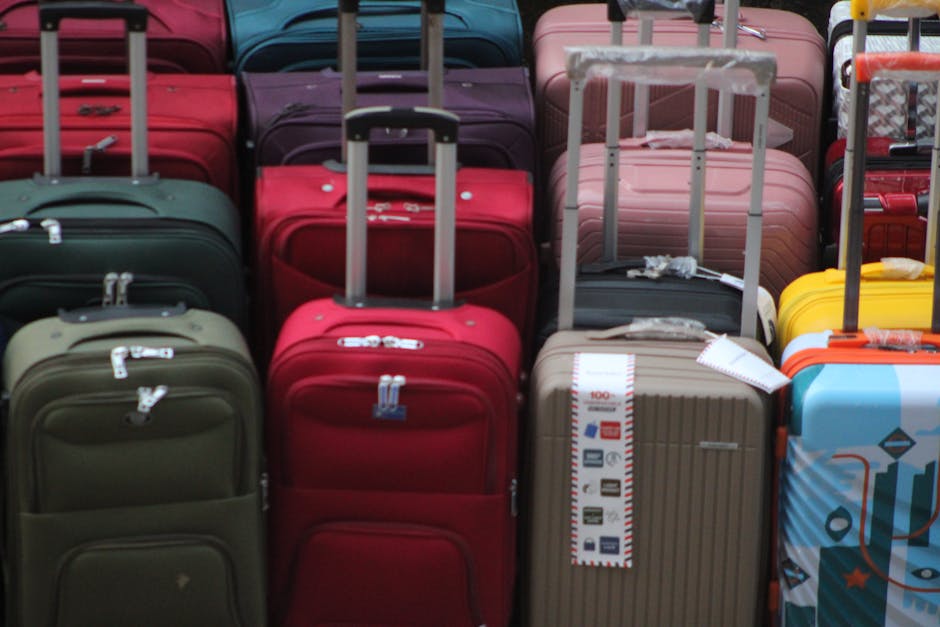
When selecting a carry-on for 2026, the market offers excellent options blending durability, functionality, and aesthetic appeal. While Yeti provides fantastic adventure gear, for traditional carry-on needs, other brands often offer more tailored solutions with wheels and easy access. Here are specific recommendations based on different travel priorities, including estimated pricing and key features. These bags represent a blend of protection, ease of use, and overall value, making them strong contenders for various types of travelers.
| Product | Type | Dimensions (Approx.) | Key Features | Price Range (USD) |
|---|---|---|---|---|
| Monos Carry-On Plus | Hard-sided Spinner | 23" x 15" x 9.5" | Aerospace-grade polycarbonate, YKK zippers, smooth spinner wheels, integrated TSA lock, interior compression. | $295 – $325 |
| Away Carry-On | Hard-sided Spinner | 21.7" x 13.7" x 9" | Polycarbonate shell, interior compression, removable laundry bag, TSA-approved lock, 360° spinner wheels. | $275 – $300 |
| Samsonite Freeform Spinner 21" | Hard-sided Spinner | 22" x 15" x 10" | Polypropylene construction, multi-directional spinner wheels, lightweight, integrated TSA lock, expansion feature. | $120 – $160 |
| Yeti Crossroads Duffel 40L | Soft-sided Duffel | 22.5" x 14.5" x 9.5" | TuffSkin Nylon, EVA molded bottom, internal organization, removable shoulder straps. | $200 – $220 |
| Travelpro Platinum Elite 21" Expandable Spinner | Soft-sided Spinner | 23" x 14.5" x 9" | High-density nylon fabric, PowerScope Lite handle, PrecisionGlide system, integrated USB port, suiter. | $290 – $320 |
Best Overall: Monos Carry-On Plus
The Monos Carry-On Plus stands out for its exceptional build quality and thoughtful design. Its aerospace-grade German polycarbonate shell is incredibly resilient, shrugging off impacts while maintaining a sleek appearance. The interior compression system is highly effective, allowing for efficient packing and keeping clothes tidy. Paired with butter-smooth Japanese-made spinner wheels and a robust telescopic handle, it navigates airports effortlessly. While slightly larger than standard carry-ons, the ‘Plus’ size often fits major airline overhead bins, offering extra capacity. It’s a premium option that delivers on every promise of durability and ease of use.
Best Value: Samsonite Freeform Spinner 21"
For travelers seeking a reliable hard-sided carry-on without the premium price tag, the Samsonite Freeform Spinner 21" is a top contender. Constructed from lightweight polypropylene, it offers good impact resistance. The multi-directional spinner wheels provide excellent mobility, and its integrated TSA lock adds a layer of security. The bag also features an expansion zipper, useful for those trips where you might accumulate a few extra items. Samsonite’s long-standing reputation in the luggage industry reinforces its position as a trustworthy, budget-friendly choice that doesn’t compromise on essential features.
Rugged Alternative: Yeti Crossroads Duffel 40L
As discussed, the Yeti Crossroads Duffel 40L isn’t a wheeled carry-on, but it is the best option for those who prioritize extreme durability and weather resistance in a non-wheeled format. Its TuffSkin Nylon exterior and EVA molded bottom are built to endure harsh conditions, making it perfect for adventure travel, road trips, or as a secondary bag. While you’ll be carrying it, its comfortable straps and thoughtful internal organization make it a highly functional piece of gear. This duffel is for the traveler who needs a bag that can be thrown in the back of a truck, carried through rough terrain, and still protect its contents. It’s a clear winner for specific use cases outside of typical airport-to-hotel travel.
The future of travel luggage continues to evolve, pushing boundaries on materials, smart features, and sustainable production. Expect to see even lighter, more resilient materials, integrated tracking technologies, and designs that further optimize for the ever-changing airline landscape. The ultimate goal remains consistent: to make every journey smoother, more efficient, and worry-free for the modern traveler.