Carry-On Luggage on a Budget: Expert Picks Under $100
04/08/2026
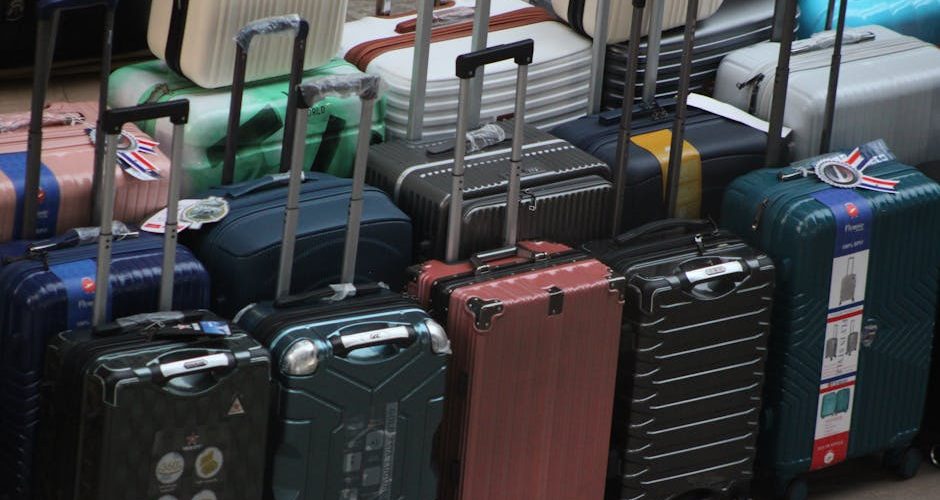
Did you know airlines lose roughly 25 million bags a year? Seriously, that’s not a made-up number; it’s a statistic that changed my entire travel strategy decades ago. My rule of thumb? If I can help it, I’m never checking a bag. Ever. That means I live and die by my carry-on. And over the years, I’ve seen countless travelers drop serious cash on luggage only to have it fall apart after a few trips. My secret? You don’t need to spend a fortune, especially not at a place like Walmart, if you know what you’re looking for. I’ve been through enough cheap rollers and flimsy duffels to tell you exactly what works and what’s a waste of your money.
Why I Always Choose Carry-On: My Strategy for Avoiding Lost Luggage
For me, it’s not just about saving money on checked bag fees, though that’s a nice bonus. It’s about control and peace of mind. I’ve heard too many horror stories, and experienced enough close calls myself, with delayed or completely lost luggage. The thought of arriving in a new city without my essentials, especially important medications or specific gear, is a non-starter. So, my carry-on isn’t just a bag; it’s a meticulously planned extension of my travel plan. It’s my insurance policy against the chaos of airline baggage handling systems.
The True Cost of Checked Bags
Let’s be real. Airline fees are getting wild. Most major US carriers charge between $30 and $40 for your first checked bag on a domestic flight, and it only goes up from there. If you’re taking a few trips a year, that adds up to hundreds of dollars. I’d rather spend that on a good meal or an extra experience. When I’m planning a trip, the first thing I do is check the specific carry-on dimensions for my chosen airline. Many people forget that these aren’t universal, and getting caught at the gate with an oversized bag can mean an unexpected check-in fee, which is often even higher than if you’d checked it to begin with.
My Rule: One Bag, One Personal Item
This is my absolute non-negotiable. I always aim for one carry-on that fits the overhead bin and one smaller personal item (like a backpack or large tote) that slides under the seat in front of me. This setup allows me to bring everything I truly need for a week-long trip, sometimes even two, depending on the destination and my packing strategy. I never overpack the personal item to the point where it won’t fit under the seat, because that’s another easy way to get gate-checked. It’s a delicate balance, but one I’ve perfected over years of trial and error.
Why I Never Compromise on Accessibility
Having my essentials with me means I can hit the ground running the moment I land. No waiting at the baggage carousel. No worrying if my bag made the connection. I can go straight from the plane to my hotel, or even directly to an activity if time is tight. This immediate access to my belongings is priceless. It removes a significant layer of travel stress and allows me to maximize every moment of my trip, which is what travel is all about for me.
Hard-Sided vs. Soft-Sided: A Battle for Durability and Flexibility

This is where I often see people get hung up. Both hard-sided and soft-sided carry-ons have their place, but I have clear preferences depending on the trip. I’ve owned more of both than I care to admit, and learned that cheap versions of either can be a major headache. The key is knowing what sacrifices you’re willing to make for the price point you’re aiming for.
Making the Choice for Your Travel Style
For me, a good hard-sided carry-on is fantastic if I’m protecting fragile items or if I know my bag might take a beating (even in the overhead bin, sometimes things shift!). But they’re less flexible. Soft-sided bags, on the other hand, offer external pockets which are a lifesaver for quick access to things like boarding passes, a book, or snacks. Plus, they have a bit more give if you’re trying to squeeze in one last item. However, they offer less protection for the contents.
| Feature | Hard-Sided Carry-On | Soft-Sided Carry-On |
|---|---|---|
| Protection | Excellent for fragile items | Good, but less impact resistance |
| Flexibility/Expansion | Limited or none | Often expandable, external pockets |
| Weight (Empty) | Can be heavier for durability | Generally lighter |
| Durability | Resists punctures, less wear and tear on fabric | Fabric can fray, zippers can break if overstuffed |
| Price Point (Budget) | Many affordable options, but watch for flimsy shells | Great value, but check fabric quality |
My Verdict: It Depends on Your Contents
If I’m carrying camera gear or souvenirs that could get crushed, I’m grabbing a decent hard-shell. But for most of my trips, especially if I’m just packing clothes and toiletries, a well-made soft-sided bag with sturdy zippers and smooth-rolling wheels is my go-to. The external pockets are just too convenient to pass up. Just make sure the fabric isn’t paper-thin; that’s a dead giveaway of poor quality.
The Absolute Maximum: Understanding Carry-On Dimensions and Weight Limits
This is where many first-time carry-on users make critical errors, and it can cost you. Airlines are notoriously strict, especially with budget carriers. Getting caught at the gate with an oversized bag means you’ll be checking it, often at a premium price, and that completely defeats the purpose of my strategy.
Standard Carry-On Dimensions (and Why They Vary)
There isn’t one universal standard, which is annoying, but most major North American airlines hover around these numbers. Always, always check your specific airline’s website before flying. I’ve learned this the hard way more than once.
- Most North American Airlines (e.g., Delta, United, American Airlines): Typically 22 x 14 x 9 inches (56 x 36 x 23 cm) including handles and wheels.
- Some Budget Carriers (e.g., Spirit, Frontier): Can be stricter, sometimes 18 x 14 x 8 inches for the free personal item, with carry-on costing extra and having slightly larger but still strict dimensions.
- International Flights: Often a bit smaller for some airlines, so always verify. European carriers like Ryanair or EasyJet have very strict, sometimes smaller, requirements.
The Weight Limit Trap
While dimensions get most of the attention, weight limits are just as important. Some airlines don’t have a published weight limit for carry-ons, especially in the US, but they still enforce what’s considered reasonable. However, many international and budget airlines have strict limits, often between 15-22 lbs (7-10 kg). I’ve seen gate agents pull out scales, so this isn’t something to gamble on.
My trick? I weigh my packed carry-on on my home scale before I leave. I use a cheap luggage scale that cost me $10. It prevents any surprises at the airport. It’s a small investment that saves a lot of potential headaches and fees.
My Approach to Packing Efficiently
I swear by packing cubes. They’re not just for organization; they help compress my clothes, making everything fit more snugly and efficiently. I also wear my bulkiest items on the plane – heavy jacket, hiking boots – to save space and weight in my bag. Every inch and every ounce counts when you’re maximizing a carry-on.
My Top Picks from Walmart: The Brands That Won’t Let You Down

Look, I’m not going to tell you a $50 carry-on from Walmart will last you a lifetime of aggressive travel. It won’t. But for occasional trips, or even regular domestic hops, there are some solid options that offer incredible value. I’ve bought and used a few of these myself, and recommended them to friends who were just starting out with my carry-on-only philosophy. These are the brands that consistently deliver above their price point.
Protege: The Workhorse for Budget Travelers
Protege is a brand you’ll find consistently at Walmart, and for good reason. They specialize in affordable luggage. Their 20-inch carry-on spinners often come in around the $40-$60 mark. I’ve found their hard-sided options, usually made from ABS plastic, to be surprisingly robust for the price. They might show scuffs, but they hold together. The wheels are generally decent for smooth airport floors, though they might struggle a bit on cobblestones. For someone looking for their first carry-on or a secondary bag, a Protege spinner is a very strong contender. I’ve owned their Protege Master Series 20-inch carry-on, and it held up for about three years of moderate use before a wheel got sticky.
American Tourister: A Step Up in Quality
While often a bit pricier, sometimes Walmart will have sales on American Tourister carry-ons that bring them into the sub-$100 range. When they do, jump on it. American Tourister is a subsidiary of Samsonite, so you’re getting a bit more engineering and better components. Their soft-sided bags, like the American Tourister Fieldbrook II, are excellent for the price. The zippers are more robust, and the fabric tends to be a bit thicker. If I can snag an American Tourister 20-inch spinner for under $80, I consider that a win. Their wheels are typically smoother and the telescopic handles feel sturdier than the cheaper options.
Travelers Club: The Budget Surprise
Another brand I’ve had surprisingly good luck with at Walmart is Travelers Club. They often offer full sets for ridiculously low prices, but I focus on their individual carry-on pieces. Their Chicago Hardside 20-inch carry-on is a frequently stocked item, usually priced under $60. It’s similar to Protege in construction but I’ve noticed their interiors sometimes have better organizational pockets. The important thing is to give the handle a good shake and the wheels a roll in the store. If they feel firm and smooth, you’re usually good to go for a few years of travel. I’ve had a Travelers Club bag where the handle felt a bit wobbly from day one, and I returned it immediately. Inspection is key.
Don’t Even Think About It: Common Carry-On Mistakes I See Rookies Make
I’ve been there, and I’ve watched countless others make these same rookie errors. My biggest advice? Don’t buy a bag that’s too heavy when empty. Every ounce counts when you’re trying to hit airline weight limits, and a heavy bag before you even put anything in it is a non-starter. Also, skip anything with a flimsy, single-post handle. Those break. Get a bag with a strong, double-post telescoping handle that locks securely in place. You’ll thank me later when you’re not dragging a bag by its fabric handle through a busy airport.
Finding Value: How to Spot a Durable Bag Without Breaking the Bank
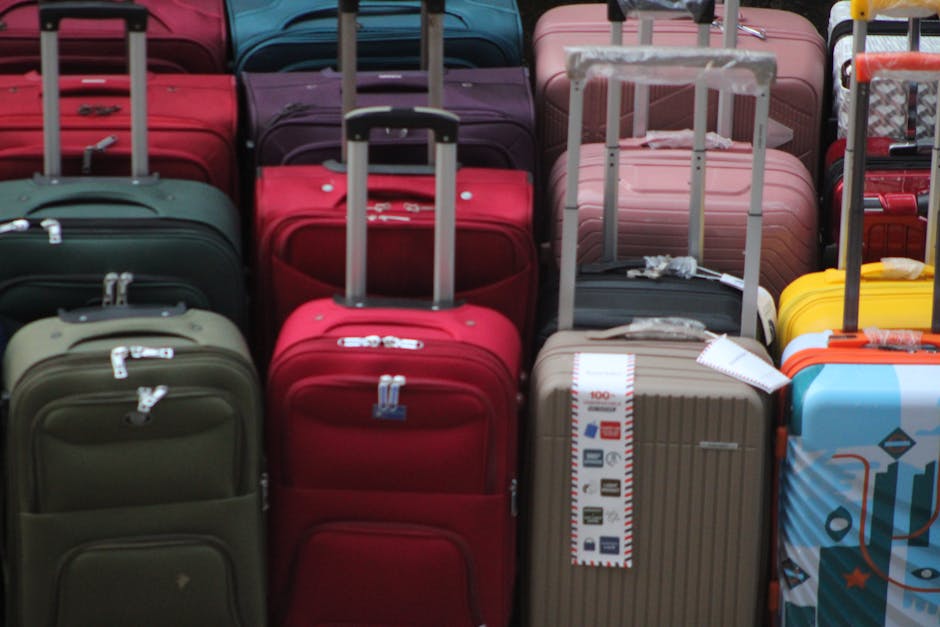
It’s easy to get overwhelmed by all the options, especially in a big store like Walmart. But I’ve developed a checklist over the years that helps me filter out the duds and pick out the gems. It’s not just about the brand name; it’s about checking key features that indicate longevity and usability.
How do I test the wheels for durability?
Always, always roll the bag around the store. Do they spin freely? Do they catch or wobble? For spinner luggage (four wheels), make sure all four rotate independently and smoothly in every direction. For two-wheel rollaboards, ensure they don’t drag. The biggest weakness of budget luggage is often its wheels. I prefer inline skate wheels on two-wheelers for better durability on rougher surfaces, but for spinners, dual wheels (two wheels on each post) are usually more robust than single wheels.
What should I look for in a good handle?
The telescopic handle is your connection to the bag, and it takes a lot of abuse. Extend it fully, then push down on it. Does it feel sturdy, or does it flex excessively? Does it lock securely in both the fully extended and fully retracted positions? A wobbly handle is a sign of cheap construction and will be the first thing to fail. I always go for a double-post handle; they distribute weight better and are generally more stable than single-post options.
How can I tell if the zippers are strong enough?
Cheap zippers are a nightmare. They snag, they separate, and they ruin your day. Look for self-repairing zippers, often indicated by interlocking teeth. YKK zippers are the gold standard, but you won’t always find them on budget bags. The key is to feel the zipper action. Does it glide smoothly around corners, or does it stick? Larger zipper pulls are also a good sign, as they’re easier to grip and tend to be more robust than tiny, flimsy ones.
Is the bag’s overall construction solid?
Give the bag a good shake. Does it feel rigid or does it wobble? For hard-sided bags, check if the two halves align perfectly when closed. For soft-sided, feel the fabric. Is it thin and easily punctured, or does it feel substantial? Check the stitching around the seams and handles. Loose threads or uneven stitching are red flags. A little bit of internal lining is good, but don’t pay extra for a fancy interior when the exterior construction is weak.
My Final Thoughts on Budget Carry-Ons
After all these years, my advice hasn’t changed much: invest in what matters, but don’t overspend where you don’t have to. A good carry-on from Walmart can absolutely serve you well, especially if you pick carefully. It’s about knowing the common pitfalls and avoiding them.
What to Prioritize in a Budget Carry-On
- Strong Wheels: They need to roll smoothly and feel sturdy.
- Robust Handle: Double-post, minimal wobble, locks securely.
- Durable Zippers: Smooth action, preferably self-repairing.
- Airline Compliance: Always fits the most common domestic carry-on dimensions.
What to Avoid at All Costs
- Excessively Heavy Empty Weight: You’ll hit airline limits faster.
- Flimsy Handles: Single-post, wobbly, or non-locking handles are a recipe for disaster.
- Paper-Thin Fabrics or Shells: These won’t last more than a trip or two.
- Poorly Constructed Interior: If the inside looks like it’s falling apart before you even use it, it will.