Road Trip Stops: Plan Your Journey Right
04/08/2026
Most people just pick a destination, punch it into their GPS, and drive. Big mistake. A great road trip isn’t just about the destination; it’s about what happens between point A and point B. Smart planning for stops means you actually enjoy the journey, not just endure it.
Map Your Route, Don’t Just Drive It
Planning your route is more than just knowing where you’re going. It’s about optimizing your drive time, identifying natural breaks, and pinpointing interesting spots you’d otherwise miss. Don’t rely solely on a single app to tell you everything. Cross-reference. Look at the terrain, understand potential traffic bottlenecks, and identify stretches where amenities might be scarce.
You need to decide your daily driving limit. Six to eight hours behind the wheel is usually the max before fatigue sets in. Pushing beyond that is dangerous and just plain miserable. Factor in breaks for meals, gas, and stretching. Those aren’t optional; they’re critical for staying alert.
Essential Mapping Tools
For actual navigation, Google Maps is the default, and it’s good for real-time traffic. Waze is better for accident alerts and speed traps, often crowdsourced. Use both. For identifying interesting places, don’t forget less common tools. Atlas Obscura is fantastic for weird, unique sights. Roadside America is a classic for kitsch. For national and state parks, use their official websites or apps.
For longer-term planning, a dedicated road trip planner like Furkot or Roadtrippers can help visualize your route and integrate stops. They let you input interests, and they’ll suggest relevant points of interest. Don’t be afraid to pull out a physical map, either. Sometimes seeing the whole scope helps identify creative detours digital maps bury.
Strategic Stop Placement
Don’t wait until you’re starving or your bladder is bursting to find a stop. Plan them every 2-3 hours. These don’t have to be major attractions. A scenic overlook, a quiet rest area, or a small town park can be perfect. The goal is to break up the monotony, move around, and reset your focus. Over-planning every minute is a mistake, but knowing your general stop points is crucial.
Think about where you’ll refuel. Gas prices fluctuate wildly, even within a few miles. Apps like GasBuddy are essential for finding the cheapest fuel nearby. Planning your gas stops can save you a decent chunk of money over a long trip. Don’t just fill up when you’re almost empty; monitor prices and fill up strategically.
Avoiding Tourist Traps
Not every roadside attraction is worth your time or money. Many are overpriced, crowded, and frankly, boring. Research beforehand. Look at recent reviews. If a place has five thousand 1-star reviews complaining about long lines and high prices, skip it. Prioritize local, authentic experiences. Small-town diners, local museums, or lesser-known natural areas often provide more genuine enjoyment than the big, heavily advertised spots.
Sometimes the best stops aren’t famous at all. Just pulling off onto a quiet back road, finding a nice spot by a river, and eating a packed lunch can be more refreshing than any crowded theme park. Be flexible enough to deviate from your plan if something truly intriguing catches your eye.
Budgeting for the Open Road: Don’t Skimp, Plan Smart
Money runs out faster than you think on the road. Don’t go in blind. A solid budget prevents stress and ensures you don’t cut your trip short. This isn’t about being cheap; it’s about being prepared. Overestimate costs slightly; it’s better to have extra than to run out.
-
Fuel Costs
This will be your biggest variable expense. Know your vehicle’s MPG. Use an online calculator to estimate total fuel based on your route mileage and average gas prices in the regions you’ll be traveling through. Gas prices can vary by over a dollar per gallon between states or even between exits. Always factor in a buffer for unexpected detours or price spikes.
-
Accommodation Hacks
Hotels add up fast. Consider alternatives like Airbnb, VRBO, or even camping. If you’re staying in hotels, book well in advance, especially during peak season or in popular areas. Look for deals and loyalty programs. Sometimes, staying just outside a major city can save you significant money, even with a short commute. Don’t forget that taxes and resort fees can add 15-20% to your quoted room rate.
-
Food & Activities
Eating out for every meal is a budget killer. Pack a cooler with snacks, drinks, and ingredients for simple meals like sandwiches. Find local grocery stores instead of relying on convenience stores. Set a daily budget for meals and stick to it. For activities, look for free options: hiking trails, public parks, scenic drives. If you plan on visiting national parks, consider an annual pass if you’ll hit multiple. Prioritize what’s important to you. A few big experiences are better than many mediocre ones.
Entertainment on the Go: Keep Everyone Sane
Long stretches of highway can get boring, fast. Especially with passengers. Plan for entertainment. This isn’t just about kids; adults need mental stimulation too. Don’t assume cell service will be constant, because it won’t. Prepare for dead zones.
My recommendation? Load up on offline content. Period. Streaming is great when you have Wi-Fi, but you’ll be staring at a buffering circle often enough to make you regret not downloading. Don’t risk it.
Offline Content is King
Before you leave, download everything. Music playlists, podcasts, audiobooks, movies, TV shows. Services like Spotify, Apple Music, and YouTube Premium all offer offline downloads. For movies and shows, Netflix, Amazon Prime Video, and Disney+ allow downloads. This ensures you have entertainment even when you’re in the middle of nowhere with no signal. A dedicated e-reader like a Kindle Paperwhite can also be a lifesaver for quiet time.
Don’t forget classic road trip games. Twenty Questions, I Spy, or even just discussing random topics can make the time fly. Bring physical books, puzzle books, or drawing pads, especially if you have kids. Relying solely on screens means dead batteries and arguments.
Powering Your Devices
All that offline content is useless if your devices are dead. You need reliable power. A good car charger with multiple USB ports is a must. Don’t cheap out here; a flimsy charger can ruin your trip. Look for chargers that deliver enough wattage to quickly charge tablets and phones simultaneously. Anker makes solid, dependable car chargers and portable power banks.
A portable power bank with at least 20,000mAh capacity is another essential. Charge it fully every night. It’ll keep your phone, headphones, and other small devices alive when you’re away from the car. If you have a laptop or drone, consider a larger power inverter that plugs into your car’s 12V outlet, converting it to a standard AC plug.
Staying Connected: Data, Calls, and Emergencies

Staying connected isn’t just for social media. It’s for navigation, emergency calls, and keeping up with bookings. Cell service varies drastically across different regions and carriers. Don’t assume your home provider will have you covered everywhere. This table helps break down common carrier strengths:
| Carrier | Strengths | Weaknesses | Notes |
|---|---|---|---|
| Verizon | Best overall rural coverage; reliable in remote areas. | Often highest cost; can have congestion in dense urban areas. | Solid choice for true off-grid road trips. |
| AT&T | Strong network, good balance of rural/urban coverage. | Can be expensive; some dead zones exist. | Reliable for most common routes. |
| T-Mobile | Excellent 5G coverage in urban/suburban areas; good value. | Spotty rural coverage; weaker in mountainous regions. | Great if sticking to populated areas, less so for national parks. |
| Google Fi | Uses T-Mobile, Sprint, US Cellular networks; good international. | Coverage depends on partner networks; generally weaker than Verizon. | Flexible plans, but not a primary choice for ultimate reliability. |
Choosing a Reliable Carrier
If you’re planning a trip through remote areas, research coverage maps for your specific route. Don’t just look at the entire state. Zoom in on your exact path. Verizon generally has the widest rural coverage in the U.S., which makes it a strong contender for serious road trippers. If your current plan doesn’t cut it, consider a pre-paid SIM card from a different carrier for the duration of your trip, or investigate a temporary upgrade to a higher data plan.
For truly off-grid adventures, a satellite messenger like a Garmin inReach Mini 2 is a smart, though expensive, investment. It’s for emergencies when cell service is nonexistent, allowing two-way texting and SOS functions. It’s overkill for most, but essential for serious backcountry travelers.
Portable Wi-Fi Options
Your phone’s hotspot works, but it drains battery and can be slow. A dedicated mobile hotspot device (often called a ‘MiFi’ device) can provide more reliable Wi-Fi for multiple devices. Carriers like T-Mobile or Verizon offer these, sometimes with dedicated data plans. They can be particularly useful if you’re working remotely or have multiple family members needing internet access. Just remember, these still rely on cellular towers, so they won’t work in a true dead zone.
Another option is to get an unlimited data plan for one person’s phone and use that as the primary hotspot. Check your carrier’s fair use policy; some throttle hotspot data after a certain threshold. For short trips, it might be cheaper than a separate device.
Roadside Assistance: Non-Negotiable
This is simple. Get it. You don’t want to be stuck on the side of the road, hundreds of miles from home, figuring out towing costs and mechanic searches. A flat tire, dead battery, or worse can ruin a trip and cost thousands. AAA membership is the classic choice, and it’s worth every penny. Many auto insurance policies also offer roadside assistance as an add-on; check yours before paying for a separate service.
Finding Unique Stops: Ditch the Chain Stores
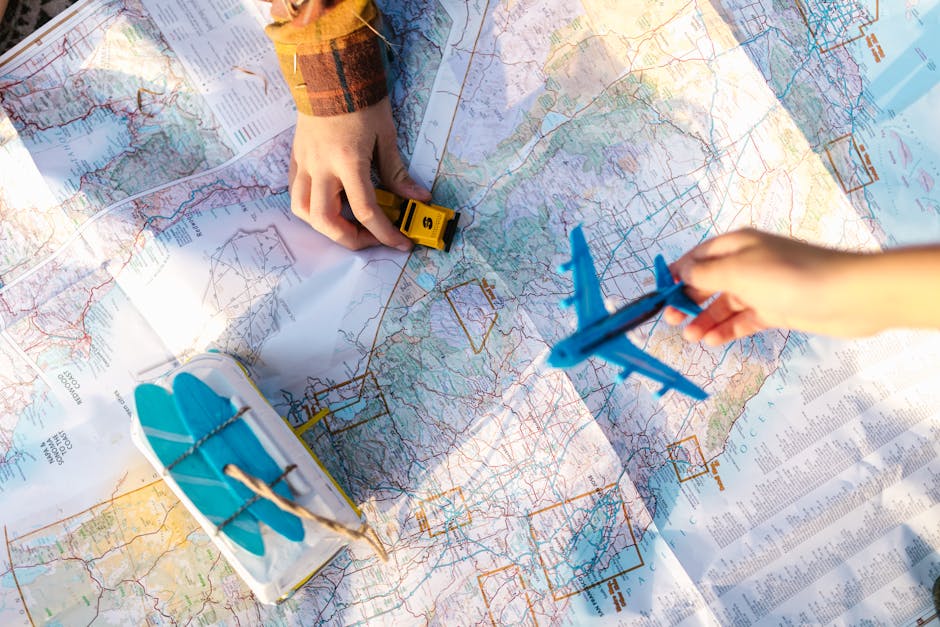
The best road trips aren’t spent hopping between the same chain restaurants and gas stations you have at home. The goal is discovery. You want to see things that are actually different, that tell a story about where you are. This requires a bit more effort than just following Google’s suggestions.
How do I find local gems?
Start with local tourism websites, not national ones. Small towns often have fantastic, quirky attractions that never make it into mainstream guides. Look for local historical societies, obscure museums, or even just local events calendars. Ask locals when you stop for gas or food. “What’s something cool and weird nearby that tourists usually miss?” You’d be surprised what people will share.
Food is a huge part of local culture. Skip the fast-food chains. Look for independent diners, bakeries, or farmers’ markets. Apps like Yelp or TripAdvisor can be useful, but filter by “local favorites” or “hidden gems” rather than just “top rated.” Sometimes the best food is found at a roadside stand with no online presence.
What about historical markers?
Often overlooked, historical markers dot the landscape across the country. They’re those small, usually brown, signs that tell you about a battle, a famous person’s birthplace, or a significant event. They’re quick stops, often right off the main road, and provide fascinating insights into an area’s past. A good physical map or a specialized app can help you spot these. They break up the drive and add educational value without requiring a major detour or entrance fee.
Many battlefields, old forts, or pioneer settlements are free to explore. Check the National Park Service website; they manage many historical sites that are incredibly well-preserved and offer great interpretive centers. These stops are often less crowded than major attractions and offer a deeper understanding of American history.
Are off-the-beaten-path places safe?
Generally, yes, but exercise common sense. If a place feels sketchy, trust your gut. Stick to well-traveled dirt roads; avoid venturing deep into unmaintained areas unless you’re specifically equipped for it. Tell someone where you’re going if you’re making a significant detour into a remote area. Have a fully charged phone and, ideally, some form of offline navigation if cell service is questionable. Safety first. Always.
Packing Smart: More Than Just Clothes
You can pack too much, and you can pack too little. The key is efficient packing that covers emergencies and boosts comfort. Don’t throw everything in. Think about what you *actually* need for the drive itself, and what you’ll need at your destinations. Separate bags for “car essentials” and “overnight gear” can save you hassle.
The Emergency Kit Checklist
This is non-negotiable. Every car should have one. Mine includes: jumper cables, a small air compressor (for low tires), tire patch kit, basic toolkit (screwdriver, pliers, wrench), duct tape, flashlight (with extra batteries), first-aid kit, reflective triangles or flares, a warm blanket, water bottles, and some non-perishable snacks. Also, a portable phone charger is critical. Don’t forget an actual spare tire, not just a donut, if your vehicle allows for it.
For personal safety, a small pepper spray or personal alarm isn’t a bad idea, especially if you’re traveling solo. Know how to use everything in your kit before you need it. A quick YouTube search for “how to jump start a car” or “how to change a tire” can save you a lot of grief.
Comfort Essentials
Long hours in a car demand comfort. A good neck pillow can make rest stops more effective. Sunglasses are a must. Keep a small cooler with drinks and snacks easily accessible. A thermos for coffee or tea saves money and keeps your beverage hot/cold. Wet wipes, hand sanitizer, and a roll of paper towels are invaluable for spills or quick clean-ups.
Dress in layers. Car temperatures can fluctuate, and you might encounter different climates along your route. Comfortable shoes are essential for walking around during stops. Don’t wear restrictive clothing. Being comfortable makes the drive itself less taxing, leaving you more energy to actually enjoy your stops.